
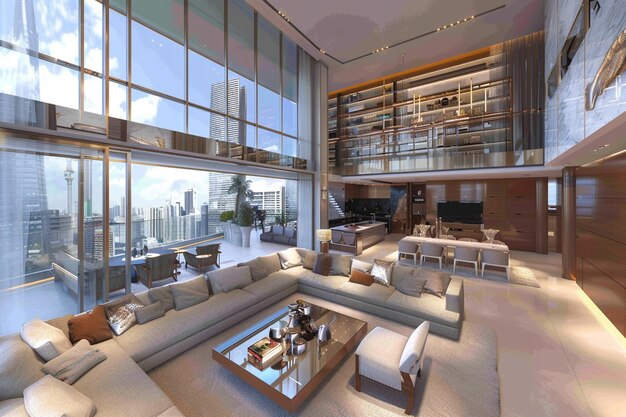
Luxury Apartments on the Atlanta BeltLine: How to Choose the Right One for You
Living in a luxury apartment on the Atlanta BeltLine is appealing for a lot of reasons: direct access to trails, nightlife, restaurants, dog parks, and some of the city’s most walkable neighborhoods. If you’re trying to figure out where to live along the BeltLine — or if it’s worth the premium — this guide walks you through how it works specifically in Atlanta, what to expect in different areas, and how to choose a place that fits your lifestyle and budget.
Why the BeltLine Is a Hot Spot for Luxury Apartments
The Atlanta BeltLine is a network of multi-use trails and future transit circling the city’s core. For renters, the most relevant piece today is:
- Eastside Trail (Old Fourth Ward, Inman Park, Poncey-Highland, Virginia-Highland)
- Westside Trail (West End, Adair Park, Capitol View)
- Northeast Trail (partially built) (Midtown, Ansley Park / Piedmont Heights area)
- Southside Trail (in various stages of completion) (Chosewood Park, Grant Park, Ormewood Park)
Luxury apartments tend to cluster around the most active, walkable segments — especially the Eastside and parts of Midtown and Old Fourth Ward.
Living “on the BeltLine” in Atlanta typically means:
- Direct or short walking access to a paved trail
- Easy access to restaurants, breweries, markets, coffee shops
- Proximity to MARTA stations or bus routes
- Newer construction with modern amenities
You’re essentially paying for location + amenities + lifestyle.
Key BeltLine Sections for Luxury Apartment Living
Eastside Trail: High Energy, High Walkability
If you search “luxury apartments BeltLine Atlanta,” many of the results will be on or near the Eastside Trail, which runs roughly from Midtown/10th Street down through Piedmont Park, Ponce City Market, Old Fourth Ward, Inman Park, and Reynoldstown.
What to expect:
- Very active, social vibe
- Heavy foot and bike traffic, especially on weekends
- High concentration of luxury mid-rise and high-rise buildings
- Premium rents due to demand and central location
Typical renter profile:
- Professionals who work in Midtown, Downtown, Buckhead, or tech/creative hubs
- People who want to ditch their car for daily errands or nightlife
- Renters who value restaurants, rooftop views, and amenities over extra square footage
Westside Trail: More Residential, Still Growing
The Westside Trail runs through neighborhoods like West End, Adair Park, Oakland City, and connects to areas where newer developments and restaurants are emerging.
What to expect:
- A mix of historic homes and new buildings
- Some luxury or upscale apartments, but fewer than the Eastside
- Frequently a bit more space for the money
- Growing but generally quieter than the Eastside, depending on the block
Good fit if you:
- Want some BeltLine access but don’t need the busiest segment
- Care about value and space more than being next to the most popular bars and restaurants
Midtown & Northeast Segment: Urban, High-Rise Living
Around Piedmont Park, 10th Street, and Monroe Drive, and stretching toward Ansley Mall / Piedmont Heights, you’ll find a number of luxury high-rises and mid-rises with BeltLine access or close proximity.
What to expect:
- High-rise towers with city and park views
- Many buildings marketed as “Midtown luxury apartments” with BeltLine connectivity
- Frequent access to MARTA stations (Midtown, Arts Center, North Avenue)
Ideal for:
- People who want true urban living (dense, vertical, busy)
- Those who often commute without a car or want to be near office towers, Georgia Tech, and major employers
Common Features of Luxury BeltLine Apartments in Atlanta
Most BeltLine-area luxury complexes offer similar baseline features, especially on the Eastside and in Midtown.
You’ll commonly see:
- Resort-style pools (often rooftop or courtyard)
- Fitness centers with modern equipment, sometimes with studios for yoga or spin
- Clubrooms, co-working spaces, or business centers
- Pet-friendly policies plus dog parks, wash stations, or pet spas
- Package lockers and sometimes 24/7 concierge or front desk
- Controlled access parking and gated entries
Inside the units, typical luxury features along the BeltLine include:
- Quartz or granite countertops
- Stainless steel appliances
- In-unit washer/dryer
- Walk-in closets
- High ceilings and large windows
- Balconies or patios (more common in mid-rise than in some high-rises)
Prices vary significantly by exact location, building age, view, and square footage. In general, the closer you are to high-demand BeltLine nodes (like Ponce City Market, Krog Street Market, or Piedmont Park), the higher the rent.
Pros and Cons of Living in a Luxury Apartment on the BeltLine
Major Advantages
1. Walkability and lifestyle
You can often walk to:
- Ponce City Market, Krog Street Market, or Lee + White (depending on segment)
- Coffee shops, bars, fitness studios, and grocery options
- Parks like Historic Fourth Ward Park or Piedmont Park
2. Active, outdoor-focused living
The trail is ideal for:
- Daily walks or runs
- Biking and scooters
- Taking dogs out without needing to drive to a park
3. Convenience for work and transit
Many BeltLine luxury apartments are a short walk, bike ride, or MARTA ride from:
- Midtown, Downtown, and Buckhead job centers
- Georgia Tech and Georgia State University campuses
Potential Drawbacks
1. Higher rent and fees
You’re paying a premium for:
- New construction
- Amenities
- Proximity to high-demand neighborhoods
Don’t forget to factor in:
- Parking fees
- Pet fees and deposits
- Amenity or “community” fees
2. Noise and crowds
Especially on the Eastside Trail, expect:
- Weekend and evening crowds
- Event noise from nearby venues or rooftops
- More frequent street/foot traffic around your building
3. Limited parking or higher parking costs
Many buildings:
- Charge extra for reserved or garage parking
- Have limited guest parking, complicating visits and deliveries
Comparing BeltLine Areas at a Glance
Use this quick reference to decide which BeltLine zone might fit you best.
| BeltLine Area | Vibe & Lifestyle | Best For | Watch Out For |
|---|---|---|---|
| Eastside Trail | Busy, social, very walkable | Nightlife lovers, young professionals | Higher rent, crowds, traffic |
| Midtown/Northeast | Urban, high-rise, near offices & parks | Professionals, students, car-light living | Premium prices, dense city feel |
| Westside Trail | More residential, emerging scene | Value seekers, bigger units, quieter feel | Fewer high-end buildings, evolving area |
| South/SE Corridors | Transitional, mix of old/new | Early adopters, budget-conscious renters | Construction, developing infrastructure |
How to Evaluate a Specific Luxury Apartment on the BeltLine
When you tour or research a building, use this checklist tailored to Atlanta BeltLine living.
1. Confirm Actual BeltLine Access
Not every “BeltLine apartment” is literally on the trail. Ask:
- How far is the closest BeltLine access point in minutes walking?
- Is there a direct gate or path from the building to the trail?
- Is access well-lit and maintained at night?
2. Check Commute and Transit Options
If you work in Midtown, Downtown, Buckhead, or Perimeter, figure out:
- Distance to the nearest MARTA rail station (e.g., Midtown, Inman Park/Reynoldstown, King Memorial, West End, Five Points)
- Whether you can walk, bike, or scoot to work from the BeltLine
- How realistic it is to live car-light or car-free from that building
3. Ask About Noise Levels
Because BeltLine segments host events and heavy weekend traffic, ask:
- Which side of the building faces the trail, busy streets, or nightlife?
- Are there quiet hours or noise policies?
- Can you tour the property at night or on a weekend when it’s busier?
4. Understand Parking, Guests, and Deliveries
Many luxury properties have complex parking rules. Clarify:
- Monthly parking cost per vehicle
- Guest parking options, time limits, and any validation systems
- How package delivery works, including larger items or furniture
5. Review Lease Terms and Fees
Besides rent, understand:
- Admin, application, and amenity fees
- Pet deposits, monthly pet rent, and breed/weight rules
- Early termination options and lease break fees, if needed
Budgeting for Luxury BeltLine Living
To avoid surprises, build a realistic monthly budget tailored to living along the BeltLine in Atlanta.
Consider:
- Base rent (varies by unit size and exact location)
- Parking (often per-space fees)
- Utilities (electric, water/sewer, trash, sometimes gas)
- Internet and streaming (fiber is common in newer buildings)
- Renters insurance (often required in luxury buildings)
- Pet-related costs (fees, deposits, monthly rent)
💡 Tip: Ask leasing staff for a “sample total monthly cost” for your target unit type including average utilities and all recurring fees. This gives a clearer picture than rent alone.
Safety and Security Considerations
Many luxury complexes along the BeltLine emphasize security features, but it’s still important to evaluate them yourself.
Look for:
- Controlled building access (key fobs, call boxes, monitored entries)
- Secure parking garages with controlled entry
- Visible cameras in common areas
- On-site staff or courtesy officers, especially in larger buildings
When touring:
- Walk around the immediate area during both day and evening
- Note lighting on paths from the BeltLine to the building
- Ask about package theft prevention and how visitors enter the property
For broader neighborhood context, you can review crime and safety information through:
- Atlanta Police Department (APD) Zone precincts
- City of Atlanta public safety resources and neighborhood organizations
Practical Steps to Start Your Search in Atlanta
If you’re ready to find a luxury BeltLine apartment, here’s a focused approach for the city:
Pick Your Primary Zone
- Want peak walkability and nightlife? Start with Eastside Trail near Old Fourth Ward, Ponce City Market, or Inman Park.
- Prefer calmer but still connected? Look at Westside Trail or transitional areas along the Southside.
- Want high-rise urban living? Focus on Midtown / Piedmont Park / Northeast corridor.
Set a Realistic Budget Range
- Decide on your absolute maximum monthly cost, including rent and all add-ons.
- Leave room for BeltLine-area living expenses like dining out and parking.
Shortlist 3–6 Buildings
- Filter by:
- Distance to BeltLine access
- Your must-have amenities (e.g., pool, in-unit W/D, pet policies)
- Commute time to your work or school
- Filter by:
Tour at Different Times
- Visit weekday rush hour and weekend afternoons/evenings
- Spend time on the actual BeltLine segment near the property to get a feel for:
- Noise
- Crowds
- Lighting and safety
Compare Lease Offers Carefully
- Look at:
- Length of lease vs. flexibility
- Move-in specials vs. long-term cost
- Parking and pet policy differences
- Look at:
Local Resources and Offices That Can Help
If you’re planning to live along the BeltLine and want to understand future development, parks, and transportation plans, it can help to check official local sources:
Atlanta BeltLine, Inc.
- 112 Krog Street NE, Suite 14
Atlanta, GA 30307 - Provides maps, construction updates, and details on current and future trail segments.
- 112 Krog Street NE, Suite 14
City of Atlanta – Department of City Planning
- 55 Trinity Avenue SW
Atlanta, GA 30303 - Can provide zoning and planning information that affects long-term neighborhood development.
- 55 Trinity Avenue SW
Metropolitan Atlanta Rapid Transit Authority (MARTA)
- Headquarters: 2424 Piedmont Road NE
Atlanta, GA 30324 - Offers maps and schedules for rail and bus routes connecting BeltLine areas to the rest of the city.
- Headquarters: 2424 Piedmont Road NE
These resources help you understand not just where the BeltLine is now, but how it may grow near your prospective apartment over the next few years.
Living in a luxury apartment on the Atlanta BeltLine gives you front-row access to one of the city’s most dynamic areas. By focusing on the right segment (Eastside, Midtown/Northeast, Westside, or Southside), clarifying your budget, and carefully checking each building’s access, amenities, and noise level, you can find a place that matches how you actually live in Atlanta day to day.