
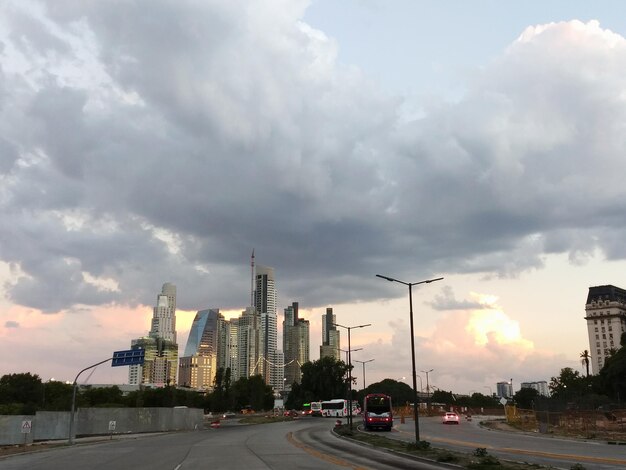
Atlanta 2-Week Weather Outlook: What to Expect and How to Prepare
Planning your next couple of weeks in Atlanta, Georgia means working around changing temperatures, sudden rain showers, and the city’s well-known humidity. While you should always check a live weather forecast for exact daily details, it helps to understand what the next 14 days in Atlanta are likely to feel like, and how to plan your routines, commutes, and outdoor time.
Below is a practical, Atlanta-focused guide to a typical 2‑week weather pattern, plus tips for getting through it comfortably and safely.
How to Read a 2-Week Atlanta Weather Forecast
A 14-day forecast in Atlanta usually highlights:
- Daily high and low temperatures
- Rain chances and storm potential
- Humidity and “feels like” temperatures
- Wind speed and direction
- Air quality and pollen levels (often relevant in spring and summer)
Because Atlanta’s weather can shift quickly—especially with pop‑up thunderstorms—it’s wise to treat days 8–14 as a general trend, not a precise schedule.
Typical 2-Week Weather Patterns in Atlanta
The details will shift by season, but most two-week periods in Atlanta follow one of a few recognizable patterns.
1. Temperature Trends
Depending on the time of year, a 2-week forecast in Atlanta often shows:
Winter (Dec–Feb)
- Chilly mornings and milder afternoons
- Occasional freezing nights, with some days feeling surprisingly mild
- Rare, but possible, brief wintry mix or light snow
Spring (Mar–May)
- Gradually warming highs, often from the 60s into the 80s
- Cool mornings, comfortable or warm afternoons
- Frequent rain events and thunderstorms, especially late spring
Summer (Jun–Aug)
- Hot, often upper 80s to mid-90s
- High humidity makes it feel hotter
- Regular afternoon or evening thunderstorms
Fall (Sep–Nov)
- Gradual cooling from summer heat
- Pleasant afternoons, crisp mornings
- Fewer storms overall, but tropical influences sometimes bring heavy rain early in the season
2. Precipitation and Storms
Across a 14-day span in Atlanta, it’s common to see:
- Several days with at least a chance of rain
- A few dry, clear days with lots of sun
- Possible strong thunderstorms, especially:
- Late spring and early summer
- On the edges of tropical systems (late summer / early fall)
Thunderstorms here can bring heavy rain, lightning, gusty winds, and brief flooding, especially in low-lying areas or near creeks.
Sample 2-Week Weather Outlook for Atlanta (General Pattern)
Use this as a typical structure of what a two-week forecast might look like. For exact dates and temperatures, always check a live service.
| Day Range | Typical High / Low (Season-Dependent) | Sky & Rain Pattern | What It Usually Means for You |
|---|---|---|---|
| Days 1–3 | Near seasonal average | Clear to partly cloudy, isolated showers | Good for errands and short-term planning |
| Days 4–7 | Slight warming or cooling trend | Increased rain chance or storm system | Watch for outdoor event changes, travel delays |
| Days 8–10 | Trend becomes clearer | Alternating dry days and storm chances | Tentative plans fine, but stay flexible |
| Days 11–14 | Broad pattern only | General idea of warm/cool and wet/dry | Use for big-picture planning only |
Planning Your Atlanta Life Around a 2-Week Forecast
Commuting and Traffic
Atlanta traffic plus weather can be a big factor in your day:
Rainy mornings or late afternoon storms
- Expect slower traffic on I‑75/85, I‑285, GA‑400, and major surface streets.
- Plan extra time for commutes to Downtown, Midtown, Buckhead, Perimeter Center, and the Airport area.
Foggy or cold mornings
- Visibility can be reduced around Chattahoochee River areas, Kennesaw Mountain, and outlying suburbs.
- Give yourself additional time and use extra caution on bridges and overpasses in cold snaps.
Severe weather days
- Thunderstorms or strong winds may lead to downed branches, temporary power outages, and traffic lights out in some neighborhoods.
- Check conditions before heading to Hartsfield-Jackson Atlanta International Airport, as storms can delay flights.
Outdoor Plans in Atlanta’s Parks and Neighborhoods
Common Atlanta activities affected by a 2-week outlook:
Piedmont Park, Grant Park, and the BeltLine
- Use cooler, drier days for running, biking, and festivals.
- On days with high heat and humidity, aim for early morning or evening.
Stone Mountain, Chattahoochee River, and hiking areas
- Check for a chance of thunderstorms, especially in the afternoon.
- If storms are in the forecast, avoid being caught in exposed areas or on the water.
Sports, festivals, and concerts
- For events at Mercedes-Benz Stadium, State Farm Arena, Truist Park, or outdoor venues:
- Indoor venues may still be affected by arrival and departure traffic in storms.
- Outdoor events may shift schedules or cancel if lightning is nearby.
- For events at Mercedes-Benz Stadium, State Farm Arena, Truist Park, or outdoor venues:
Understanding Atlanta’s “Feels Like” Weather
In Atlanta, the heat index and wind chill can matter as much as the actual temperature.
Heat index (Spring–Fall)
- Humid days in the 80s and 90s can feel significantly hotter.
- Pay attention to “feels like” values during the next 14 days if you work outdoors, exercise outside, or attend daytime events.
Wind chill (Occasional Winter Days)
- A breezy morning in the 30s can feel much colder at a MARTA stop, school bus pick-up, or during a walk downtown.
- Layer clothing when forecasts show cold plus wind.
Rain, Flooding, and Storm Awareness in Atlanta
Rain Patterns Over Two Weeks
In many 2-week stretches, you may see:
- Scattered showers across random days
- One or two more organized rain or storm systems
- Dry spells, especially in late summer or fall
Even when a forecast lists only a “chance of rain”, Atlanta’s convective thunderstorms can form quickly on hot days.
Flooding and Low-Lying Areas
Short but intense storms can cause flash flooding:
- Watch water levels near:
- Peachtree Creek
- Proctor Creek
- Chattahoochee River access points
- Be cautious driving on underpasses and low sections of major roads when strong storms roll through.
If a 2-week forecast shows multiple heavy rain days, expect:
- Soft or muddy ground in parks and yards
- Standing water in some parking lots or poorly drained streets
Seasonal Health and Comfort Considerations (Non-Medical)
Weather in a 14-day window may influence how you feel day-to-day:
High pollen days (mainly spring, sometimes fall)
- Common around tree and grass seasons, especially after a warm, dry stretch followed by wind.
- Many Atlanta residents plan outdoor exercise for lower pollen days when possible.
Poor air quality days (heat + pollution)
- Occasional in summer, especially on hot, stagnant days with little wind.
- Sensitive groups sometimes limit strenuous outdoor activity during those times.
Check daily pollen and air quality information as part of your short-term forecast when planning outdoor time.
Using Atlanta’s Local Weather Resources
For reliable, Atlanta-specific information beyond a general 2-week outlook, local and official sources can help.
National Weather Service – Atlanta Office
The National Weather Service (NWS) Atlanta/Peachtree City office provides:
- Localized forecasts
- Severe weather alerts
- Radar, storm updates, and hazard outlooks
Location:
National Weather Service Forecast Office
4 Falcon Drive
Peachtree City, GA 30269
They support the greater Atlanta region, including Fulton, DeKalb, Cobb, Gwinnett, and surrounding counties.
Local Emergency Management Contacts
When the two-week forecast suggests potential severe weather, it can be useful to know where official information comes from:
City of Atlanta – Office of Emergency Management
72 Marietta St. NW
Atlanta, GA 30303
Phone: (404) 546‑7200Fulton County Emergency Management Agency
130 Peachtree St. SW, Suite 3225
Atlanta, GA 30303
Phone: (404) 612‑5660
These offices coordinate local alerts, preparedness guidance, and response to major weather events affecting city residents and visitors.
Practical Tips for Using a 2-Week Forecast in Atlanta
Use the 14-day outlook as a planning tool, then update as days get closer.
For the next 1–3 days:
- Plan specific outdoor activities, errands, and appointments.
- Adjust clothing and commuting time based on rain, storms, or cold/hot snaps.
For days 4–7:
- Tentatively schedule outdoor events, yard work, and park days.
- Identify likely storm days and keep backup indoor plans.
For days 8–14:
- Focus on general trends:
- Warmer vs. cooler stretch
- Wetter vs. drier period
- Use it to guide bigger decisions, like:
- Which weekend is more likely to be comfortable for a day at the BeltLine, a Braves game at Truist Park, or a Stone Mountain hike
- When to expect increased AC or heating use at home
Key Takeaways for Atlanta’s 2-Week Weather
- A 2-week weather forecast in Atlanta is best treated as:
- Reliable for the next few days
- Trend-based beyond about a week
- Expect a mix of sunny, dry days and scattered rain or storms in most 14-day stretches.
- Humidity and “feels like” temperatures are crucial, especially from spring through fall.
- Local geography, heavy rain, and storms can influence traffic, flooding risk, and outdoor plans.
- Pair the long-range outlook with daily local updates from trusted Atlanta-area and official sources so you can adjust as the weather evolves.
Always check a current, day-by-day forecast before making final decisions, especially for travel, major events, or time on the road in and around Atlanta.