
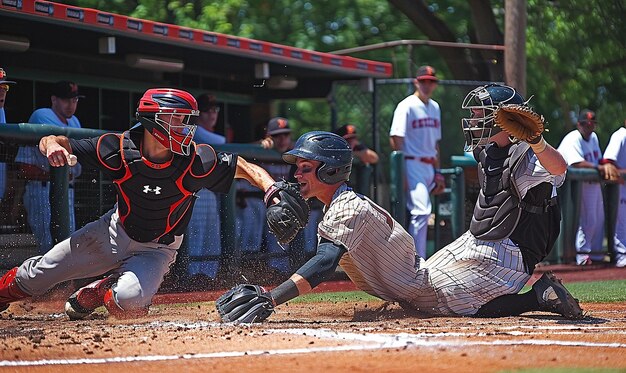
The 1996 Atlanta Braves: A Season Atlanta Still Talks About
When people in Atlanta say “the 1996 Atlanta Braves,” it usually comes with a mix of pride, nostalgia, and a little bit of “what if.” That season sits at a special crossroads for the city: the Braves were defending World Series champions, the Olympics came to town, and Atlanta was firmly establishing itself as a true baseball city.
If you live in Atlanta, are visiting, or just want to understand why this team matters so much locally, this guide walks you through what made the 1996 Braves important—and how that legacy still shows up around the city today.
Why the 1996 Atlanta Braves Matter in Atlanta History
The 1996 Braves are remembered in Atlanta for three big reasons:
They were in the middle of the “Team of the 90s” era.
The Braves went from long-time underdogs to a powerhouse, and 1996 was right in that peak window.They reached the World Series again.
Coming off the 1995 championship, Atlanta expected another parade. The city’s attention was locked on this team.They played during a transformational year for Atlanta.
The 1996 Summer Olympics brought global attention, and the Braves shared the stage as the city’s main pro sports juggernaut.
For Atlantans, that season is a reminder of when the city’s sports identity really shifted into the national spotlight.
Season Snapshot: How the 1996 Braves Performed
The 1996 Braves were loaded with talent and played like a contender all year. Here’s a simple overview:
| Category | 1996 Braves Snapshot |
|---|---|
| Regular Season Result | National League East Champions |
| Core Strength | Dominant starting pitching |
| Manager | Bobby Cox |
| Home Ballpark | Atlanta–Fulton County Stadium |
| Postseason Result | Lost in World Series (vs. New York Yankees) |
For Atlanta fans, that last line still stings—the Braves were close to back‑to‑back titles.
The Home of the 1996 Braves: Atlanta–Fulton County Stadium
If you’re in Atlanta today, you can’t see a 1996 Braves game in person, but you can still visit where it all happened.
The Stadium Then
In 1996, the Braves played at Atlanta–Fulton County Stadium, located just south of downtown. It was known for:
- Being a hitter-friendly park with lots of home runs
- Hosting both Braves baseball and Atlanta Falcons football games
- Providing the backdrop for the early–mid 90s Braves dynasty
What’s There Now
The stadium itself was demolished, but the site is still marked and easy to visit near what is now the Center Parc Stadium area (formerly Turner Field) near Georgia State University.
When you visit, you’ll typically find:
- Outlined bases and home plate where the field used to be
- A marker for Hank Aaron’s famous 715th home run (hit in 1974)
- Open areas and parking lots that rest roughly on the old field footprint
For Braves fans in Atlanta, this is a quiet but powerful spot to reflect on the history, including the 1996 team.
Key Players Atlanta Fans Still Talk About
The 1996 Braves roster is packed with names you’ll still hear in Atlanta sports conversations.
The Legendary Pitching Staff
The Braves’ starting rotation was the heart of the team—and a major point of local pride.
- Greg Maddux – Known for pinpoint control and intelligence on the mound.
- Tom Glavine – A steady, reliable left-hander and consistent winner.
- John Smoltz – Power pitcher and postseason standout.
- Denny Neagle & Steve Avery – Important arms that rounded out the rotation.
In Atlanta, these names are almost synonymous with 90s Braves success. Many local baseball coaches and parents still point to this rotation when talking about how to build a winning team.
Everyday Lineup Stars
If you grew up in Atlanta in the 90s, you probably remember these bats:
- Chipper Jones – Emerging star at third base and future franchise icon.
- Fred McGriff – Middle-of-the-order slugger known for his smooth, powerful swing.
- Ryan Klesko – Big power from the left side.
- Javy López – Catcher with both defensive value and pop at the plate.
- Marquis Grissom & Kenny Lofton (Lofton briefly) – Speed and defense in the outfield.
- Andruw Jones – Bursting onto the scene as a teenager in the postseason.
For Atlanta residents, many youth baseball players and local fields still use these names as references—“plays center like Andruw” or “swings like McGriff.”
Postseason Journey: How Far the 1996 Braves Went
From an Atlanta perspective, the 1996 postseason run is both exciting and bittersweet.
National League Playoffs
The Braves:
- Won the National League East, earning a postseason spot.
- Advanced through the National League playoffs, showcasing their pitching depth and clutch hitting.
- Kept the city’s confidence high—many locals expected another title.
During this time, downtown Atlanta, sports bars, and neighborhoods across the metro area were full of watch parties and car flags sporting the Braves “A.”
1996 World Series
In the World Series, the Braves faced the New York Yankees.
From an Atlanta fan’s view:
- The Braves started strong and looked like they might repeat as champions.
- Momentum shifted, and the series turned into one of the more famous comebacks in recent World Series history.
- Atlanta ultimately fell short, a result that still gets brought up when discussing “what could have been” for the franchise.
Even though the ending was tough, the 1996 Braves cemented Atlanta as a serious baseball city—you weren’t just happy to be there; you expected to win.
How the 1996 Braves Shaped Atlanta’s Baseball Culture
If you live in Atlanta today, you’re still feeling the effects of that 1996 team, even if you don’t realize it.
Normalizing Winning in Atlanta
Before the 1990s Braves era, Atlanta sports fans weren’t used to consistent playoff runs. The 1996 team:
- Reinforced the idea that Atlanta could compete with major markets
- Helped build long-term loyalty to the team throughout metro suburbs and city neighborhoods
- Made postseason baseball a regular part of fall in Atlanta
Many Atlantans who are parents now grew up with the 1990s Braves and have passed that loyalty along to their kids.
Inspiring Youth Baseball Across Metro Atlanta
Drive around the metro area—Cobb, Gwinnett, DeKalb, Clayton, and beyond—and you’ll find:
- Youth leagues where kids still wear Braves caps to practice
- Coaches who grew up watching Maddux, Glavine, and Smoltz
- Local fields and training centers that reference Braves icons
The 1996 team, coming right after the 1995 championship, helped solidify baseball as a core part of Atlanta’s sports identity, not just a niche.
Where to Go in Atlanta Today to Connect With Braves History
If the 1996 Braves interest you and you’re in Atlanta, there are several places where you can feel that history up close.
1. Truist Park & The Battery Atlanta
- Location: 755 Battery Ave SE, Atlanta, GA 30339 (Cumberland area of Cobb County)
- Role today: Home of the current Atlanta Braves
While Truist Park did not exist in 1996, the ballpark and the surrounding Battery Atlanta development are full of team history:
- Displays and references to 1990s Braves teams
- Team stores selling throwback jerseys and hats
- Areas around the park where past legends are highlighted
If you attend a game, you’ll often hear older fans sharing stories about the 1995–1996 teams with younger fans in the stands.
2. Former Turner Field / Center Parc Stadium Area
- Location: Near 755 Hank Aaron Dr SE, Atlanta, GA 30315
Turner Field (now Center Parc Stadium for Georgia State University football) was the Braves’ home from 1997–2016, but it started as the Olympic Stadium for the 1996 Games. While the Braves weren’t yet playing regular-season games there, it’s all part of the same 1996 Atlanta sports moment.
You’ll find:
- Olympic heritage markers and references
- A short drive or walk from the old Atlanta–Fulton County Stadium site, where the 1996 Braves played
For anyone trying to understand 1996 in Atlanta—Olympics, Braves, and city growth—this is a key area to visit.
3. Old Atlanta–Fulton County Stadium Site
- Approximate Area: Near the intersection of Hank Aaron Dr SE and Georgia Ave SE, Atlanta, GA 30315
Even though the stadium is gone, you can still:
- Stand near where home plate and the bases were marked
- Look for the Hank Aaron 715 home run marker
- Picture the 1996 Braves taking the field for playoff games
For lifelong Atlantans, this spot is a quiet landmark of their sports memories.
Tips for Braves Fans Visiting Atlanta Today
If you’re coming to Atlanta specifically as a Braves fan—or you live here and want to explore your team’s roots—here are a few ways to connect with the 1996 legacy:
Plan a Braves game at Truist Park.
- Arrive early to walk the concourses and look for nods to past teams.
- Check out displays that feature 90s legends.
Walk the old stadium grounds.
- Visit the Hank Aaron marker and former Atlanta–Fulton County Stadium layout.
- It’s a simple stop but meaningful for longtime fans.
Explore Braves-themed spots around town.
- Many sports bars and restaurants around metro Atlanta decorate with photos and memorabilia from the 1990s era.
- You’ll often hear local fans debating which Braves team was “the best”—1995, 1996, or later years.
Talk to locals.
- Longtime Atlantans are usually happy to share where they were during the 1995 championship or the 1996 World Series.
- These personal stories give extra texture to what you read in box scores.
Frequently Asked Atlanta-Focused Questions About the 1996 Braves
Were the 1996 Braves better than the 1995 team?
Many Atlanta fans say the 1996 roster was at least as talented as 1995, especially given the continued development of players like Chipper Jones and Andruw Jones. The difference is that 1995 ended with a championship, while 1996 ended with a difficult World Series loss, which changes how people remember it emotionally.
Did the Olympics affect the 1996 Braves?
Atlanta hosting the 1996 Summer Olympics meant major changes around downtown, particularly with the building of Olympic Stadium (later Turner Field). While the Braves still played their regular season at Atlanta–Fulton County Stadium in 1996, the entire city was in a unique moment of construction, traffic changes, and global attention. The Braves shared that stage as the city’s most successful pro team at the time.
Can you still see anything from 1996 Braves games in person?
You can’t walk into the original stadium, but you can:
- Visit the old stadium footprint near Center Parc Stadium
- Attend games at Truist Park, where the organization celebrates its history
- Encounter murals, posters, and memorabilia around Atlanta that feature 1990s stars
The 1996 Atlanta Braves remain one of the most talked‑about teams in the city’s sports history. For people in and around Atlanta, that season isn’t just another year in the record books—it’s part of how the city sees itself as a big-stage sports town and a true home of baseball.