
Atlanta Auto Collision Centers: How to Find Reliable Repair in Metro Atlanta
When you’ve been in a crash in Atlanta, getting your vehicle to a trustworthy auto collision center becomes a top priority. Between heavy traffic on I‑285, I‑75/85, and crowded surface streets like Peachtree Street and Moreland Avenue, accidents are common, and knowing where to turn for repairs can save time, money, and stress.
This guide explains how auto collision centers in Atlanta, Georgia work, what services they typically offer, how insurance fits in, and how to choose a shop that fits your needs anywhere from Downtown to the suburbs.
What an Auto Collision Center in Atlanta Actually Does
A collision center is different from a quick oil-change shop or basic mechanic. These facilities specialize in repairing damage from crashes and restoring your vehicle’s structure, safety systems, and appearance.
Most Atlanta auto collision centers focus on:
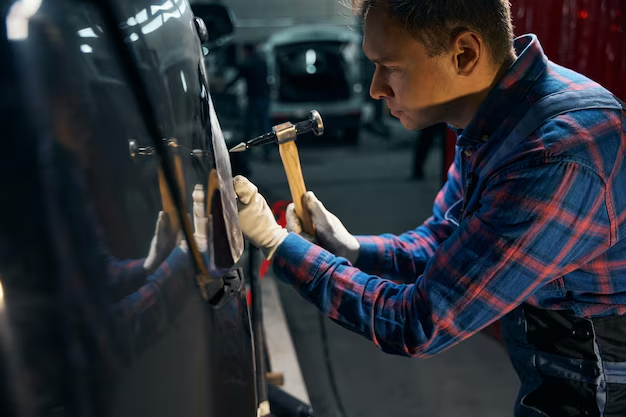
Body and frame repair
Fixing dents, bent frames, panels, and structural components after a crash.Painting and refinishing
Color-matching, blending, and repainting damaged areas so the repair isn’t obvious.Suspension and wheel alignment
Making sure the car tracks straight after an impact with another vehicle, curb, or guardrail.Glass replacement
Replacing cracked windshields or windows damaged in collisions or road debris.Safety system checks
Inspecting and, when appropriate, coordinating repair or calibration of airbags, sensors, and cameras.
Some shops in the Atlanta area also provide mechanical repair for damage caused by a crash, while others partner with nearby mechanical shops.
Common Collision Scenarios on Atlanta Roads
Driving in Atlanta presents some specific collision risks:
- Highway rear-ends and side-swipes on I‑285, GA‑400, I‑20, and the Downtown Connector.
- Low-speed fender benders in dense areas like Midtown, Buckhead, and near major malls.
- Parking lot scrapes and dents at Hartsfield‑Jackson Atlanta International Airport, MARTA stations, and shopping centers.
- Weather-related collisions during heavy rain or occasional ice on bridges and overpasses.
Most reputable Atlanta collision centers are familiar with these scenarios and can advise you on realistic repair options for both minor and major damage.
First Steps After a Collision in Atlanta
Before you even call a collision center, a few local steps help things go more smoothly.
1. Ensure Safety and Contact Authorities if Needed
If the crash is more than a small bump:
- Move vehicles to a safe location if possible.
- Call 911 for injuries or major damage.
- For police reports inside the city, Atlanta Police Department often responds:
- Atlanta Police Department (Headquarters)
226 Peachtree St SW
Atlanta, GA 30303
Non‑emergency line: (404) 614‑6544
- Atlanta Police Department (Headquarters)
On interstates or state routes, the Georgia State Patrol may handle the incident.
2. Document the Scene
Before your car goes to a collision center, it helps to:
- Take photos of damage, location, and license plates.
- Exchange insurance and contact information.
- Note nearby landmarks (exit numbers, major intersections) in case your car is towed.
3. Decide: Tow or Drive?
In Atlanta, many collisions occur in high-traffic areas where leaving a damaged vehicle can be unsafe. As a rule of thumb:
- Use a tow truck if the car is not drivable, has leaking fluids, deployed airbags, or severe body damage.
- Drive carefully to a collision center or home only if the vehicle appears safe and legal to operate.
If law enforcement orders a tow, your car may be taken to an impound lot or a rotation tow yard. You can later have it transferred to the collision center you choose.
How Insurance Works with Atlanta Collision Centers
Auto collision repair in Atlanta usually involves your insurance company, the other driver’s insurer, or both.
Direct Repair Programs vs. Your Own Choice
Many insurers have preferred or “direct repair program” (DRP) shops in the Atlanta area. With these:
- The insurer already has a relationship and processes in place.
- Estimate approval and billing can be quicker.
- You may be able to skip some back-and-forth paperwork.
However, in Georgia, you generally have the right to choose your own collision repair center. An insurer can suggest shops but cannot legally force you to use a particular one.
When comparing options, ask:
- “Are you a preferred shop for my insurer?”
- “Will you work directly with my insurance company?”
- “How do you handle supplements if hidden damage is found?”
Deductibles and Payment
Most Atlantans use collision coverage or uninsured/underinsured motorist property damage to cover repairs. You typically:
- File a claim with your insurer (or the other driver’s).
- Get an estimate from a collision center.
- Pay your deductible to the shop (if your coverage applies), and the insurer pays the balance directly to the center.
If you don’t have collision coverage or the other driver’s insurance won’t pay, you may be paying out of pocket, potentially in installments if the shop offers payment plans.
Types of Collision Centers Around Atlanta
Metro Atlanta is large, and the type of collision center you choose may depend on:
- Vehicle type (standard, luxury, electric, truck)
- Where you live or work
- Insurance requirements
- Your preference for dealer vs. independent shops
1. Dealership Collision Centers
Many major dealerships in and around Atlanta operate their own body shops. These centers often:
- Specialize in specific brands (e.g., luxury, European, or Japanese makes).
- May have manufacturer certifications and access to brand-specific repair procedures.
- Often use original equipment manufacturer (OEM) parts when the repair and insurance allow it.
They tend to be located near car sales and service hubs, such as areas in Sandy Springs, Buckhead, Duluth, and South Atlanta where manufacturers cluster.
2. Independent Collision Centers
Independent shops are spread throughout Atlanta neighborhoods and suburbs:
- Intown areas: Downtown, Midtown, Old Fourth Ward, West Midtown
- North Atlanta: Buckhead, Brookhaven, Sandy Springs, Dunwoody
- East and South Atlanta: Decatur, East Point, College Park
- West and surrounding suburbs: Marietta, Smyrna, Mableton, Austell
These centers can range from small operations handling minor damage to large facilities equipped for complex structural repairs. Many independents are experienced with everyday commuter cars that fill Atlanta’s highways and side streets.
3. Specialty and High-End Repair Centers
Some Atlanta collision centers focus on:
- Luxury and performance vehicles (common around Buckhead, Sandy Springs, and North Fulton).
- Electric vehicles that need specific structural and battery-safe procedures.
- Commercial vehicles and fleets serving rideshare drivers, delivery services, or local businesses.
If your vehicle is high-end or specialized, it may be worth seeking a brand-certified or specialty collision center.
Key Factors When Choosing an Atlanta Auto Collision Center
Choosing the right shop in a city as large as Atlanta comes down to a few core points.
1. Location and Convenience
Consider:
- Proximity to your home, work, or MARTA station.
- Access from major roads (I‑20, I‑75/85, I‑285, GA‑400) to reduce towing costs.
- Traffic patterns—some people prefer shops closer to their office to simplify dropping off and picking up.
If you live in areas like Grant Park or Virginia‑Highland, a collision center in Midtown or East Atlanta may be more convenient than one way out in the suburbs, and vice versa.
2. Certifications and Capabilities
Ask collision centers about:
- Technician training (e.g., industry-recognized certifications).
- Equipment for frame repair, paint matching, and wheel alignment.
- Experience with your specific make and model, especially for newer vehicles with advanced driver-assistance systems.
While there is no single “best” certification for every situation, these details help gauge whether the shop is set up for modern repair needs.
3. Parts and Repair Approach
Discuss up front:
- Whether they typically use OEM, aftermarket, or used parts.
- How they handle structural vs. cosmetic repairs.
- Whether they follow manufacturer-recommended repair procedures when available.
Some Atlanta drivers prefer OEM parts, especially on newer or leased cars, but insurance coverage and availability can affect what’s used.
4. Estimates and Communication
A good collision center in Atlanta should be clear about:
- Initial estimates and what might change once panels are removed.
- Timeframes for parts orders, especially if they must ship from outside Georgia.
- Your primary contact person and best ways to get updates (phone, text, email).
Traffic, weather, and parts logistics in and out of Atlanta can all influence repair timelines. Open communication helps manage expectations.
Typical Services and What They Mean
Here’s a simple overview of services you’ll often see on an Atlanta collision center estimate:
| Service Type | What It Involves | Why It Matters in Atlanta |
|---|---|---|
| Frame/Unibody Repair | Straightening or aligning the main structure of the vehicle | Crucial after highway or high-speed impacts |
| Body Panel Repair/Replace | Fixing or replacing doors, fenders, bumpers, hoods | Common after parking lot and low-speed collisions |
| Paint & Refinishing | Color-match, blending, and clearcoat | Keeps your car looking consistent in strong sun |
| Suspension & Alignment | Adjusting wheels and suspension components | Important due to potholes and curb impacts |
| Glass Replacement | Windshield, side, and rear window replacement | Frequent with debris on I‑285 and major routes |
| Detailing After Repair | Cleaning overspray, vacuuming, and washing | Helps you inspect the finished repairs clearly |
Understanding these terms makes it easier to review your estimate and talk with your insurance adjuster.
Working with Towing and Storage in Atlanta
After a crash, your vehicle might go to:
- A police-ordered tow yard, if removed from a roadway.
- The nearest collision center the tow truck recommends.
- A location you specify, if safe and allowed.
Key points for Atlanta drivers:
- Storage fees at tow yards or some shops can add up daily.
- You’re typically allowed to move your vehicle from a tow yard to your chosen collision center, though you may have to pay towing and any accrued storage charges.
- Ask the shop:
- Whether they offer after-hours drop-off.
- If they can help coordinate towing from a lot or your home.
Keeping track of where your vehicle is stored is especially important if your accident occurs on major corridors like I‑285 or I‑20, where rotation towing is common.
Rental Cars, Rideshare, and Getting Around While Your Car Is in the Shop
Atlanta is a driving-heavy city, but there are several options while your car is being repaired:
- Rental cars: If your policy includes rental coverage, many collision centers will coordinate directly with rental providers near their facility or at Hartsfield‑Jackson Airport and neighborhood branches.
- Rideshare services: Commonly used for drop-off and pick-up days, especially if the shop is near busy areas like Midtown, Buckhead, or Perimeter.
- MARTA: If you choose a collision center near a MARTA rail station (e.g., Midtown, North Springs, Five Points), you may be able to commute more easily without a car.
Ask the collision center if they:
- Have partnerships with local rental agencies.
- Provide shuttle service to nearby transit or major intersections.
Total Loss vs. Repair: What Atlanta Drivers Should Know
Sometimes, the damage from a collision in Atlanta is so extensive that the insurance company decides the vehicle is a total loss rather than having it repaired.
This can happen more often with:
- Older vehicles with lower market value.
- Severe structural or flood damage.
- Airbag deployments combined with significant body damage.
In a total loss scenario:
- The insurer usually pays the actual cash value of the vehicle, minus deductibles.
- Your car may be towed directly to a salvage yard instead of a collision center.
- You still have the right to retrieve personal belongings and license plates.
If you suspect your car might be totaled, you can still ask a collision center to provide a preliminary opinion, though the official decision comes from the insurer.
Important Atlanta Contacts Related to Collisions
These resources can help with the administrative side of a collision:
Georgia Department of Driver Services (DDS) – License and some records
2206 East View Parkway
Conyers, GA 30013
General customer service: (678) 413‑8400Georgia Department of Revenue – Motor Vehicle Division – Titles and registrations
4125 Welcome All Rd SW
Atlanta, GA 30349
Main phone: (855) 406‑5221City of Atlanta Municipal Court – For some traffic-related matters
150 Garnett St SW
Atlanta, GA 30303
Phone: (404) 658‑6940
If you receive citations or need documentation after a collision, these offices may be involved.
Practical Tips for Using an Atlanta Auto Collision Center
To make the process smoother and avoid surprises:
- Call ahead before having your car towed to a shop.
- Bring or upload:
- Insurance information
- Police report number (if available)
- Photos of the damage
- Ask for:
- A written estimate and explanation of major line items
- An estimated timeline and potential delays (parts, paint, approvals)
- Clarification on warranty for the work performed
- Keep a record of:
- All communication with the shop and insurance company
- Any out-of-pocket expenses, including towing and rental cars
For Atlanta residents and visitors alike, understanding how auto collision centers operate locally helps you stay in control after an accident—whether it happens on a Buckhead side street, a Clayton County stretch of I‑75, or right in the heart of Downtown.