
Atlanta Flooring and Design Center: What Local Homeowners Should Know
If you own or manage property in Atlanta, Georgia, you know that flooring and interior design play a huge role in how a space feels, functions, and holds value. An Atlanta flooring and design center is typically a one-stop location where you can see materials in person, compare styles, and plan full-room or whole-home updates with design help tailored to local homes and buildings.
This guide breaks down what an Atlanta flooring and design center usually offers, how to use one effectively, what to expect in different neighborhoods, and how to prepare before you visit.
What Is a Flooring and Design Center in Atlanta?
A flooring and design center in Atlanta is generally:
- A showroom for flooring (carpet, hardwood, luxury vinyl, tile, laminate, and sometimes rugs)
- A design hub where staff can help coordinate colors, finishes, and layouts
- A place to arrange measurement, installation, and sometimes maintenance services
- A resource for both residential and commercial projects, from small condo updates to large office or retail renovations
In Atlanta, many of these centers are located along major corridors like I-85, I-285, Peachtree Industrial Boulevard, Cobb Parkway, and Buford Highway, making them accessible from in-town neighborhoods and the suburbs.
Why Flooring Choices in Atlanta Are a Bit Different
Atlanta’s climate, housing styles, and lifestyle patterns all influence what works best underfoot.
Climate Considerations
Atlanta has:
- Hot, humid summers
- Periodic temperature swings in winter
- Occasional heavy rain and storm-related leaks
Because of that, Atlanta homeowners and designers commonly consider:
- Engineered hardwood instead of solid in some cases, for better stability in humidity
- Luxury vinyl plank (LVP) or tile in basements and garden-level spaces where moisture can be an issue
- Porcelain or ceramic tile near exterior doors, mudrooms, and screened porches
- Moisture-resistant carpet padding in lower levels
A good flooring and design center in Atlanta will typically ask where in the metro area your home is located (for example, a high-rise condo in Midtown vs. a ranch home in Decatur), because crawl spaces, basements, and even soil conditions can change what’s most practical.
Style and Architecture Across the City
Flooring trends in Atlanta often reflect the type of property:
Intown neighborhoods (Virginia-Highland, Inman Park, Grant Park):
Often favor refinished hardwood, patterned tile in bathrooms, and runner rugs on original staircases.Newer suburbs (Alpharetta, Johns Creek, Peachtree Corners):
Frequently use wide-plank engineered hardwood, LVP in busy family areas, and soft, stain-resistant carpet in bedrooms and bonus rooms.Luxury condos (Midtown, Buckhead, Atlantic Station):
Commonly feature high-end hardwood, large-format tile, and minimalist color palettes that pair with modern interiors.
Atlanta flooring and design centers usually keep displays that mirror these local patterns so you can visualize materials in similar homes.
Common Services Offered by Atlanta Flooring and Design Centers
While every business is different, most Atlanta centers offer a similar range of services.
1. Showroom Browsing
You can usually:
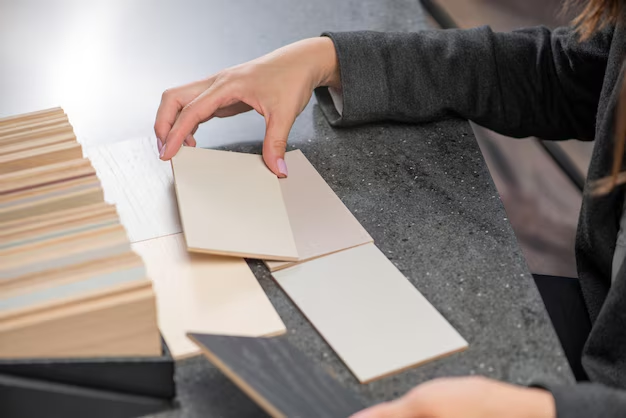
- Walk through installed samples of hardwood, vinyl, laminate, carpet, and tile
- View full-size boards instead of tiny swatches
- Compare color tones under lighting similar to residential spaces
- Ask for take-home samples to see how materials look with your existing walls, furniture, and natural light
2. Design Consultation
Many centers provide:
- Color and material coordination (floors, trim, sometimes paint suggestions)
- Help balancing durability vs. aesthetics for busy Atlanta households with kids or pets
- Layout planning, including tile patterns or transitions between different flooring types
- Guidance on what works for short-term rental units (for example, in Old Fourth Ward or West Midtown) vs. long-term personal homes
Some design consultations are complimentary with purchase; others may charge a design fee, often credited toward a project. It’s wise to ask about this when you call ahead.
3. Measurement and Estimating
Most Atlanta flooring and design centers will:
- Schedule an in-home measurement visit
- Provide a written estimate detailing materials, labor, underlayment, transitions, and removal of old flooring
- Factor in stairs, closets, and irregular spaces common in older intown homes
Because Atlanta properties can range from loft-style spaces to split-level homes, precise measuring and estimating are key to avoiding surprise costs.
4. Installation Coordination
Typical installation services include:
- Old flooring removal and disposal
- Subfloor inspection and basic leveling
- Installing new flooring according to manufacturer guidelines
- Adding baseboards, shoe molding, or transitions to adjacent surfaces
- Post-installation cleanup of debris and dust
In multi-family buildings (for example, condo towers in Midtown or Buckhead), installers usually must follow HOA rules, such as:
- Sound-control underlay requirements
- Elevator reservations
- Work-hour limits on weekdays
A local Atlanta flooring and design center will typically be familiar with these requirements.
5. Repairs, Refinishing, and Updates
Some centers also handle:
- Hardwood refinishing (common for older homes in Druid Hills or Morningside)
- Repairs after water damage, which can occur during storms or plumbing leaks
- Carpet stretching or patching
- Grout cleaning or regrouting for tile
Not every center does this in-house; some coordinate with specialty contractors.
Types of Flooring You’ll Commonly See in Atlanta Showrooms
Here’s a quick overview of common materials you’ll likely encounter at an Atlanta flooring and design center.
| Flooring Type | Where It’s Common in Atlanta | Key Advantages | Things to Consider |
|---|---|---|---|
| Solid Hardwood | Intown bungalows, historic homes | Classic look, can be refinished multiple times | Sensitive to moisture, may require acclimation |
| Engineered Hardwood | Newer builds, condos, renovations | More stable in humidity, wide style options | Limited refinishing depending on top layer |
| Luxury Vinyl Plank | Basements, rentals, busy family areas | Water-resistant, durable, pet- and kid-friendly | Quality varies; ask about wear layers |
| Laminate | Budget-conscious projects | Looks like wood at a lower cost | Can swell with water exposure |
| Carpet | Bedrooms, media rooms, stairs | Soft, quieter, warmer underfoot | Stains and wear in high-traffic areas |
| Tile (Ceramic/Porcelain) | Bathrooms, kitchens, entryways, patios | Very durable, great for moisture-prone zones | Hard and cold; may need area rugs |
Atlanta’s mix of heat, humidity, and occasional cold snaps makes engineered products, LVP, and properly sealed tile especially popular in practical spaces.
How to Choose the Right Flooring for Your Atlanta Home
1. Consider Your Neighborhood and Building Type
Different parts of metro Atlanta have distinct building styles:
Older homes with crawl spaces (East Atlanta, Kirkwood):
May need extra attention for moisture and ventilation under hardwood.Townhomes and condos (Brookhaven, Sandy Springs, Midtown):
Often require attention to sound transmission between units, leading to choices like LVP with sound-reducing underlayment.New construction suburbs (Cumming, Buford, McDonough):
Often designed with open-concept layouts, so you may choose one continuous flooring type through main living areas for a unified look.
Tell the design center staff what type of building you’re in and any concerns (noise, pets, resale, rental use).
2. Think About Daily Life, Not Just Style
In Atlanta, common lifestyle factors include:
- Pets tracking in red clay from yards or parks
- Kids bringing in dirt from school sports, playgrounds, and yards
- Entertaining often, especially around big events at Mercedes-Benz Stadium or during spring and fall when patios are popular
Some practical questions to consider:
- Do you often come in through a garage or back door that leads straight into living space?
- Are you on a busy street or near the BeltLine, where dust and dirt can accumulate more quickly?
- Do you host large groups frequently?
A flooring and design center can guide you toward more stain-resistant carpets, highly scratch-resistant finishes, or easy-clean LVP if you describe how you use the space.
3. Plan for Resale in the Atlanta Market
Buyers in Atlanta often look for:
- Real or engineered hardwood in main living areas
- Neutral-tone floors that match a wide range of décor
- Tile in bathrooms and kitchens rather than older vinyl styles
If you’re in a neighborhood where many homes have hardwood, a design center can help you match or complement common finishes so your home fits market expectations.
What to Do Before You Visit an Atlanta Flooring and Design Center
Preparing a bit beforehand makes your visit much more efficient.
Gather Basic Information
Bring or prepare:
- Rough room measurements (length, width, and notes on closets or hallways)
- Photos of your space from several angles
- A sense of your budget range (even a broad range is helpful)
- Notes on any problems with current flooring (squeaks, warping, stains, uneven surfaces)
Bring Inspiration — But Stay Open
Atlanta homeowners often bring:
- Smartphone photos from local homes, restaurants, or hotels whose style they liked
- Screenshots from design apps or social media
- Samples of paint chips, cabinet doors, or fabric, if you have them
Design staff can help translate inspiration into practical options that hold up well in Atlanta’s climate.
Ask the Right Questions
When talking with staff, you might ask:
- Which products handle Atlanta humidity best in my type of home?
- How long does typical installation take for a home my size?
- What’s included in the estimate (removal, disposal, moving furniture, subfloor prep)?
- Are there warranty considerations for certain products in Atlanta’s climate?
- How far out are you currently scheduling installations?
These questions help you compare different centers if you’re visiting more than one.
Typical Project Timeline for Atlanta Homeowners
While timelines vary, many Atlanta flooring projects follow a similar pattern:
Initial Visit or Call
- Discuss goals, budgets, timelines
- Look at materials or schedule an in-home consultation
In-Home Measurement
- A technician measures all relevant areas and notes conditions (subfloor, stairs, access)
Estimate and Material Selection
- You receive a written estimate
- You finalize materials, colors, and patterns
Ordering Materials
- Some items may be in stock locally; others may be ordered from regional warehouses
- Timelines can be affected by supply and shipping
Installation Date
- Installers arrive, remove old flooring, prepare subfloors, install new materials
- Duration varies from one day for a single room to several days for full-house projects
Walkthrough and Follow-Up
- Many centers offer a final walkthrough or follow-up call to address any concerns
In parts of Atlanta with older homes, extra time might be needed for leveling or repairs once old flooring is removed.
Cost Factors Specific to Atlanta
Costs differ by material and project size, but in Atlanta you’ll often see added considerations like:
- Access issues in intown neighborhoods (narrow streets, limited parking, multi-story walkups)
- High-rise delivery logistics in Midtown and Buckhead
- Subfloor conditions in older houses, especially if there has been past water intrusion
- Pet damage or previous DIY work that needs correction
When you meet with a flooring and design center, it’s helpful to mention:
- If your home is on a steep lot or tight street
- If there’s no driveway or limited parking
- If you’re in a secured building that requires check-in procedures
This allows them to give more accurate estimates and plan for crew and equipment access.
Using Atlanta Resources and Local Contacts
While flooring and design centers are typically private businesses, you can also use public and community resources for planning:
City of Atlanta Department of City Planning
55 Trinity Ave SW, Atlanta, GA 30303
Phone: (404) 330-6150
Can provide guidance if your flooring project is part of a larger renovation that may require permits (for example, moving walls or changing structural elements).Neighborhood Planning Units (NPUs)
If you live in the City of Atlanta, your NPU may share information on typical renovation patterns and what has worked well in similar homes in your area.Homeowners’ Associations (HOAs)
Many condo and townhome communities in Buckhead, Midtown, Sandy Springs, and elsewhere have specific flooring rules (minimum sound ratings, required underlayment, approved installation hours). Check with your HOA office or management company before finalizing materials.
A flooring and design center that regularly works across the Atlanta metro area is often familiar with common HOA and permitting issues and can help you avoid delays.
Tips for a Smooth Flooring Project in Atlanta
A few Atlanta-specific pointers can make the process smoother:
Plan Around Weather:
Heavy rain and high humidity can affect delivery, acclimation, and installation. Many installers prefer to avoid major moisture exposure while materials adjust to your home.Consider Seasonal Scheduling:
Spring and fall can be popular times for renovations in Atlanta. If you need work done before a specific event (holidays, graduations, relocations), plan ahead.Protect Adjacent Spaces:
In older neighborhoods with tight lots and big trees, dust and debris can track easily. You can use temporary runners or ask the installers about protective coverings.Account for Atlanta Traffic:
Installation crews often schedule based on travel time from warehouses in areas like Norcross, Marietta, or Tucker. Starting earlier in the day may help minimize delays from rush-hour traffic.
By understanding how Atlanta’s climate, housing stock, and lifestyle affect flooring choices, you can use a local flooring and design center more effectively. Come prepared with measurements, inspiration, and questions, and work with staff who understand the unique mix of historic homes, new construction, condos, and rentals that make up the Atlanta metro area.