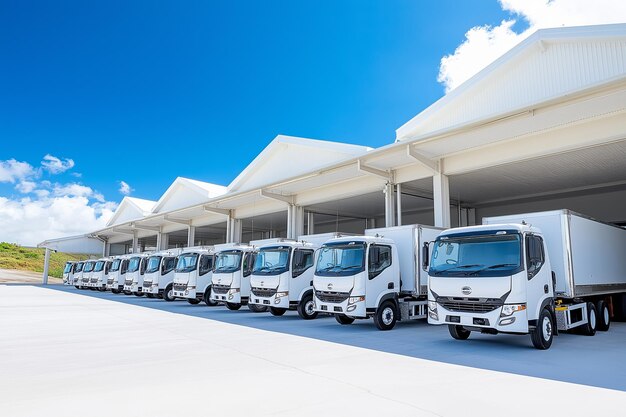
Nextran Truck Center Atlanta: What Heavy-Duty Truck Owners Need to Know
If you run a fleet, drive over-the-road, or manage construction or municipal trucks in Atlanta, Georgia, you’ve probably heard of Nextran Truck Center Atlanta. This type of truck center is built around medium- and heavy-duty commercial trucks, offering sales, service, and parts for brands commonly used in freight, regional delivery, and vocational work.
This guide focuses on what someone in or around Atlanta can realistically expect from a full-service truck center like Nextran, how it fits into the local trucking landscape, and how to use a center like this effectively.
Where Nextran Truck Center Fits into Atlanta’s Trucking Scene
Metro Atlanta is one of the busiest freight hubs in the Southeast. With I‑285, I‑75, I‑85, I‑20, Hartsfield-Jackson Atlanta International Airport, and major distribution centers in areas like Forest Park, Ellenwood, Lithia Springs, and Norcross, heavy-duty trucks are constantly moving in and out of the city.
In that environment, a truck center such as Nextran Truck Center Atlanta typically serves:
- Long-haul and regional carriers moving freight through Atlanta
- Local delivery fleets operating box trucks and day cabs
- Construction and vocational operators (dump trucks, mixers, utility trucks)
- Owner-operators needing reliable service or parts during layovers
- Municipal and government fleets based in or serving the Atlanta area
Centers like Nextran are usually located in industrial or transportation corridors with easy access to major interstates to accommodate tractors, trailers, and straight trucks.
Typical Services Offered at a Truck Center in Atlanta
While exact offerings can vary by location, most full-service truck centers in Atlanta provide some combination of the following:
1. Truck Sales (New and Used)
You’ll often find:
- New medium- and heavy-duty trucks from major manufacturers
- Used trucks suitable for long-haul, regional, and vocational work
- Chassis options for custom bodies (refrigerated, flatbed, utility, tanker, etc.)
- Financing assistance through third-party lenders or manufacturer programs
In Atlanta, buyers usually look for units that handle:
- Stop-and-go city traffic
- Hot, humid summers (cooling systems are a priority)
- Hilly terrain and heavy loads on highways like I‑20 west toward Douglas County or I‑75 north toward Cobb County
When shopping, local operators often focus on fuel efficiency in congestion, dealer/service coverage across the Southeast, and resale value for regional lanes that connect Atlanta with cities like Birmingham, Charlotte, and Jacksonville.
2. Service and Repairs
A truck center like Nextran in Atlanta typically runs a commercial-grade service shop capable of:
- Routine maintenance (oil changes, filters, chassis lubes)
- DOT inspections and pre-trip inspection repairs
- Engine diagnostics and repairs for diesel powertrains
- Transmission, driveline, and differential service
- Brake, suspension, and steering work
- HVAC repairs (crucial in Atlanta summers)
- Electrical diagnostics for modern trucks with complex systems
Many Atlanta truck centers also handle:
- Aftertreatment systems (DPF cleaning, DEF-related issues)
- Telematics and ECM updates
- Warranty work for supported manufacturers
Because Atlanta traffic is demanding, local fleets often prioritize after-hours or extended service hours so trucks can be down during off-peak times rather than during daytime delivery windows.
3. Parts Department
For operators in Atlanta, parts availability can make or break uptime. A typical truck center parts department offers:
- OEM parts for the brands they represent
- Aftermarket parts for cost-conscious repairs
- Wear items like brakes, filters, belts, hoses, and lighting
- Body and collision parts for cabs and fairings
- Electrical components (batteries, alternators, sensors)
Many Atlanta-area truck centers also:
- Provide parts counter service to walk-in customers
- Offer local parts delivery to shops and fleet yards
- Work with independent repair shops across metro Atlanta
If you run your own shop in areas like College Park, Decatur, Marietta, or Stone Mountain, it’s common to rely on a large truck center’s parts department when you need specialized components quickly.
4. Emergency and Roadside Support
On Atlanta’s busy corridors, truck centers that support fleets often help coordinate:
- Emergency roadside service for breakdowns on interstates or major routes
- Towing or recovery to the nearest service location
- Mobile service trucks for certain on-site repairs
Common breakdown zones include:
- I‑285 (The Perimeter), especially near the I‑20 and I‑75/I‑85 interchanges
- I‑75/I‑85 through downtown, where congestion can increase the risk of overheating or clutch issues
- I‑20 east and west, which carry heavy truck volumes to and from distribution hubs
When planning routes through Atlanta, many carriers keep contact information for their preferred truck center handy in case of breakdowns, especially for night runs and weekend traffic.
Where Nextran Truck Center Atlanta Is Typically Located
While exact details can change over time, truck centers like Nextran in Atlanta are usually positioned in:
- Industrial zones with large lots and high dock density
- Areas near interstate interchanges, allowing easy in/out for tractors with trailers
- Neighborhoods with other transportation-related businesses (logistics companies, warehouses, and other dealers)
For the most accurate and updated information on the current address, hours, and contact details for Nextran Truck Center Atlanta, it’s wise to:
- Check the company’s official website
- Call their main Atlanta location directly
- Confirm service hours, as commercial shops may have different hours for parts, service, and sales
When you call, have ready:
- Your truck make, model, and year
- VIN if possible
- A brief description of the issue or service needed
- Any fleet or warranty information you’ll be using
How a Truck Center Like Nextran Serves Different Types of Atlanta Customers
For Local Fleets Based in Metro Atlanta
Companies in Fulton, DeKalb, Cobb, Clayton, and Gwinnett counties often:
- Schedule preventive maintenance (PM) in batches to keep multiple units on a rotation
- Use the truck center for major repairs and warranty work, while handling smaller items in their own yard
- Coordinate downtime around local delivery windows to avoid impacting operations in congested corridors like Peachtree Street, the Downtown Connector, and major suburban arterials
A common local strategy is to book early-morning or late-evening appointments, which can help trucks avoid peak rush hours to and from the service facility.
For Owner-Operators Passing Through Atlanta
If you’re an owner-operator stopping in Atlanta:
- Look for a truck center with easy interstate access and truck parking
- Ask about same-day diagnostics to avoid extended downtime
- Confirm whether they honor your equipment’s warranty or preferred payment programs
Many drivers plan service around layovers at truck stops in Forest Park, Atlanta southside, or along I‑20 west and coordinate with a nearby truck center like Nextran for needed repairs.
For Construction and Vocational Operations
Construction and municipal operators working across areas like Downtown Atlanta, Midtown, the Westside, and expanding suburbs often need:
- Heavy-duty suspension and brake work from frequent stop-and-go and jobsite use
- Body and PTO service for dump bodies, mixers, and utility equipment
- Quick parts access to keep specialized vehicles on the road
Because these trucks may operate on tighter local schedules (paving windows, utility outages, construction timelines), clear communication about repair timelines with the service department is especially important.
What to Ask Before You Schedule Service in Atlanta
When you call a truck center like Nextran Truck Center Atlanta, you can save time by asking key questions up front:
- Do you service my truck’s make and model?
- Can you handle my specific engine and transmission brand?
- Are you authorized for warranty repairs on my equipment?
- What is your current lead time for diagnostics and repairs?
- Do you offer after-hours drop-off or pick-up?
- Is there parking for a tractor-trailer or multiple units?
For Atlanta fleets, it’s also useful to ask:
- What is the best time of day to avoid delays getting in and out?
- Do you coordinate towing if my truck is down on I‑285 or another interstate?
Quick Reference: Using a Full-Service Truck Center in Atlanta
Below is a simple overview of how a center like Nextran Truck Center Atlanta typically fits into your operation:
| Need | How a Truck Center Helps in Atlanta |
|---|---|
| Buy or upgrade trucks | Offers new and used commercial trucks suited for Atlanta traffic |
| Keep trucks compliant | Performs inspections and safety repairs |
| Minimize downtime | Provides diagnostics, maintenance, and major repairs |
| Source hard-to-find parts | Stocks OEM and aftermarket parts and may offer local delivery |
| Handle roadside breakdowns | Coordinates tow/roadside support to and from Atlanta interstates |
| Support fleet operations | Works with fleet managers on PM schedules and repair priorities |
Practical Tips for Atlanta Truck Owners and Fleet Managers
Here are some Atlanta-specific tips when working with a truck center like Nextran:
Schedule around traffic:
Try to avoid arriving or departing during peak times on the Downtown Connector and I‑285. Early mornings or late evenings often work best.Plan preventive maintenance early:
In busy freight periods around Port of Savannah traffic, holiday seasons, and regional distribution surges, service bays in Atlanta can get booked quickly.Use your downtime wisely:
If your truck will be in the shop longer, ask about estimated completion times so you can coordinate back-up units, rentals, or rescheduled loads.Keep records organized:
Bring or have on hand previous repair records and warranty details. In Atlanta’s fast-paced environment, clear documentation can help service writers and technicians move faster.Ask about communication options:
Find out if the service department can provide text or email updates on repair status, which is especially useful if you’re juggling local deliveries or dispatching multiple drivers across metro Atlanta.
A truck center like Nextran Truck Center Atlanta is designed to be a central hub for commercial truck sales, service, and parts in one of the Southeast’s most important freight markets. Whether you’re based in the city or passing through, understanding how these centers operate in the context of Atlanta’s traffic, climate, and freight patterns can help you keep your trucks on the road and your business moving.