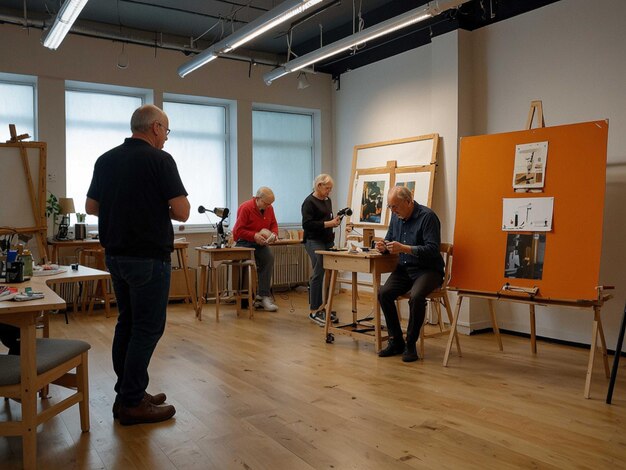
The Goat Farm Arts Center is one of Atlanta’s most distinctive creative spaces: part art complex, part historic industrial site, and part community hub. If you live in Atlanta, are planning a visit, or are just trying to understand how the Goat Farm fits into the city’s arts scene, this guide walks through what it is, where it is, what happens there, and how to experience it.
The Goat Farm Arts Center is a multi-use arts campus located in Atlanta’s West Midtown area. It sits on the grounds of a former 19th‑ and early 20th‑century industrial complex, reimagined as a place for:
The setting is a big part of the appeal. Old brick warehouses, tall windows, and overgrown pathways give it a raw, cinematic feel that’s very different from traditional galleries or theaters.
While the exact mix of studios, events, and amenities can change over time as the campus evolves, the Goat Farm is generally known as:
Address (historical/campus location):
The Goat Farm Arts Center
1911–1200 Foster Street NW (campus area)
Atlanta, GA 30318
The campus is tucked just off Howell Mill Road in West Midtown, not far from:
Because the site has multiple buildings and entrances, it is wise to check current event information or ticket details for the exact entry point and parking instructions for the specific program you’re attending.
By car:
Most Atlantans reach the Goat Farm by car, using I‑75/85 and exiting toward Northside Drive or 10th/14th Street, then cutting over to Howell Mill Road. Travel times vary widely with traffic, especially at rush hour.
Parking:
Parking options have changed at times as the campus has been redeveloped and events shift. For larger public events, parking is often managed on‑site or through designated overflow lots. Plan to arrive early and follow posted signs or event instructions.
By MARTA + rideshare:
There is no MARTA rail station directly next to the Goat Farm. Many visitors ride MARTA to a central station such as Midtown or Arts Center, then take a rideshare or bus west toward Howell Mill.
By bike or on foot:
Cyclists and pedestrians sometimes access the area via connecting streets in West Midtown; however, infrastructure can be patchy, and traffic can be fast. If you’re biking from Georgia Tech or Midtown, map your route in advance and expect some mixed‑traffic segments.
Programming at the Goat Farm has historically ranged from intimate studio work to major public events. The exact schedule changes, but activities often fall into a few main categories.
A core purpose of the Goat Farm is to provide space for working artists. These may include:
These studios are typically not walk‑in galleries; they’re working spaces. Some artists open their doors during scheduled open‑studio events, public tours, or special programs.
Over the years, the Goat Farm has been known for:
Events are usually ticketed or RSVP‑based, often organized by resident companies, local artists, or partner organizations. If you’re planning a visit specifically to see a show, always look up:
Because of its industrial architecture and flexible interiors, the Goat Farm has frequently been used by:
If you’re scouting locations, you’ll typically need to coordinate directly with the property managers or production liaisons for access, pricing, and permit requirements.
While not a traditional classroom campus, the Goat Farm has at times hosted:
These offerings can be occasional and event‑based rather than daily. Local Atlantans interested in creative learning often keep an eye on event announcements to catch opportunities when they arise.
The Goat Farm is not a standard walk‑in attraction like a museum with fixed open hours. Access is usually event‑driven or appointment‑based, for example:
If you’re planning to stop by casually “just to look around,” it is important to:
For people comparing arts options in Atlanta, it helps to understand how the Goat Farm differs from other local spots.
The Goat Farm is more of a hybrid arts campus:
Other Atlanta arts hubs—like The Woodruff Arts Center, The Rialto Center for the Arts, or community centers that host performances—tend to have:
The Goat Farm, by contrast, has generally leaned toward:
If you’re an Atlanta resident who enjoys work that feels a bit off the beaten path, this is often where you’ll find it.
Because the Goat Farm operates differently from a typical attraction, a little planning goes a long way.
What event or reason do I have to be there?
Identify a show, workshop, open studio, or other activity in advance.
What time should I arrive?
Parking, navigating the campus, and finding the correct building can all take longer than expected.
What should I wear?
Many pathways and interiors keep their industrial character, so comfortable, closed‑toe shoes are often wise.
Do I need cash, card, or both?
Some events bring in pop‑up vendors; payment methods can vary.
| Topic | What to Expect at the Goat Farm (Atlanta) |
|---|---|
| General Access | Usually event‑based; not a daily walk‑in attraction |
| Atmosphere | Industrial, creative, somewhat “raw”; visually striking |
| Who It’s Best For | Art‑interested locals, visitors seeking unique experiences, creatives |
| Transportation | Easiest by car or rideshare; limited direct transit options |
| Time of Visit | Often evenings or weekends, depending on events |
| Advance Prep | Confirm event details, parking, and building/entrance directions |
A few practical pointers, especially relevant to Atlanta’s layout and traffic patterns:
Account for traffic:
West Midtown can be congested during rush hour or when events are happening nearby. If you’re coming from Decatur, East Atlanta, or the northern suburbs, add buffer time.
Pair your visit with nearby spots:
Many people round out an evening by grabbing food or coffee at Westside Provisions District, Marietta Street restaurants, or other West Midtown options before or after an event.
Weather awareness:
Some paths and waiting areas are partially outdoors. In Atlanta’s humid summers or during rain, light layers, water, and an umbrella can be helpful.
Accessibility considerations:
Because the site includes older industrial buildings and uneven surfaces, accessibility can vary by building and event setup. If mobility or accessibility is a concern, it’s wise to contact event organizers or the venue in advance.
If you’re an Atlanta‑based creative professional, the Goat Farm can be relevant in a few ways:
Studio or workspace interest:
At various times, the campus has offered studios or rehearsal spaces. Availability, size, and pricing can shift as redevelopment happens, so this often requires direct inquiry.
Performance or installation opportunities:
Some companies and curators use the Goat Farm as a site for site‑specific work, particularly in dance, theater, and interdisciplinary performance.
Collaborations and networking:
When public events, open houses, or festivals occur, they can be a strong way to connect with other artists, producers, and arts supporters in Atlanta.
Because arrangements and opportunities change over time, it’s common for artists to:
For some visitors, other Atlanta arts destinations may be a better match, especially if you:
In those cases, core attractions like the High Museum of Art, Fernbank Museum, Atlanta History Center, or Children’s Museum of Atlanta may be more convenient. The Goat Farm is usually best for people seeking something more niche, atmospheric, and event‑specific.
For Atlantans and visitors who enjoy industrial architecture, experimental performance, and the feeling of stepping into a working creative ecosystem, the Goat Farm Arts Center is one of the city’s most memorable places to experience art, especially when you plan ahead and go with a specific event or purpose in mind.