
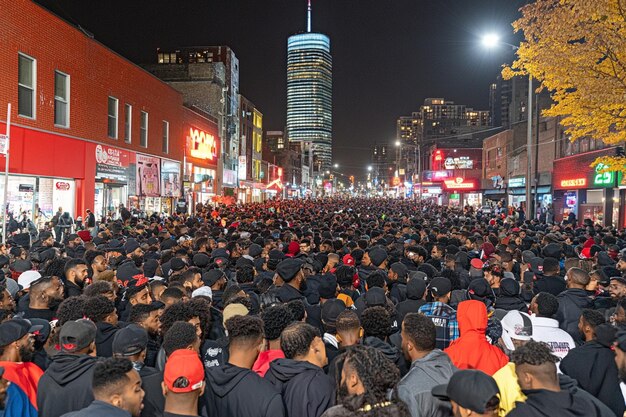
Atlanta’s Population: How Many People Live in the City and Why It Matters
Atlanta’s population is more than just a number—it shapes traffic, housing, jobs, schools, and even the feel of different neighborhoods. Whether you live in Atlanta, are planning a move, or are visiting and trying to understand the city, it helps to know how big Atlanta is, how fast it’s growing, and where people are concentrated.
Below is a clear, locally focused guide to the Atlanta city population, how it compares to the metro, and what that means for daily life.
The Current Population of Atlanta (City of Atlanta)
When people say “Atlanta,” they may mean the City of Atlanta or the Atlanta metro area—and those are very different in size.
- City of Atlanta: Roughly 500,000–520,000 residents in recent years
- Atlanta metropolitan area (often called “Metro Atlanta”): Well over 6 million residents
City-level population counts are based on U.S. Census figures and official estimates. Exact numbers change slightly each year, but these ranges capture what most residents, planners, and agencies work with.
Quick Snapshot: City vs. Metro
| Area | Approx. Population Range | What It Includes |
|---|---|---|
| City of Atlanta | ~500k–520k | Official city limits (Downtown, Midtown, Buckhead, many intown neighborhoods) |
| Metro Atlanta region | 6M+ | Multiple counties surrounding Atlanta (e.g., Fulton, DeKalb, Cobb, Gwinnett, Clayton, and others) |
If you pay City of Atlanta property taxes or vote in Atlanta city elections, you’re part of that ~500k+ population. If you live in places like Marietta, Decatur, or Sandy Springs, you’re in Metro Atlanta but not in the City of Atlanta.
Where People Live Within the City of Atlanta
Atlanta’s population is not spread evenly. Different neighborhoods have very different feels:
Densest, most urban areas
- Downtown, Midtown, Old Fourth Ward, West Midtown
- Lots of apartments and condos, walkable streets, heavy daytime population from offices and schools.
Intown residential neighborhoods
- Virginia-Highland, Inman Park, Grant Park, East Atlanta, Cabbagetown, Reynoldstown, West End, Adair Park
- Mix of single-family homes, small apartment buildings, and new townhomes. Popular with people who want close-in neighborhoods with parks and local businesses.
North Atlanta and Buckhead
- Buckhead, Lenox, Lindbergh, North Buckhead, Chastain Park
- Combination of high-rise condos, mid-rise apartments, and large single-family homes. Higher-income areas, major shopping and office hubs.
South and West Atlanta
- South Atlanta, Lakewood, Pittsburgh, Mechanicsville, Bankhead, Cascade Heights, Adamsville, SW Atlanta neighborhoods
- Historically residential, strong community ties, more single-family homes, and many neighborhoods currently seeing redevelopment and investment.
Population density is highest along major corridors like Peachtree Street, around Downtown and Midtown, and near MARTA rail stations, where multi-story residential buildings are most common.
How Atlanta’s Population Has Changed Over Time
Atlanta has gone through several distinct population phases:
Post–World War II growth and spread
- The city expanded outward, and the broader region grew as highways were built and suburbs spread.
Late 20th century: city population slipped, suburbs boomed
- Many people moved from city neighborhoods to suburban counties.
- The metro kept growing rapidly, even while the city itself grew more slowly or held steady.
Recent years: renewed interest in intown living
- Many residents, including young professionals and empty nesters, have moved into the City of Atlanta for shorter commutes, walkability, and access to amenities.
- Areas along the Atlanta BeltLine, around Ponce City Market, and in West Midtown have seen major increases in housing and residents.
Overall, the City of Atlanta’s population today is higher than it was in the 1990s, reflecting a sustained return to intown neighborhoods.
Who Lives in Atlanta? A Quick Look at Demographics
Atlanta is known for being racially and culturally diverse, with a strong Black cultural and political presence and a growing mix of backgrounds:
Racial and ethnic diversity
- Large Black/African American population and deep historic roots in civil rights and Black business.
- Significant and growing White, Latino/Hispanic, and Asian communities.
- Increasing international population, especially in and around key job centers and universities.
Age patterns
- Many young professionals and students, especially around Georgia State University, Georgia Tech, Emory University (nearby in unincorporated DeKalb), and major job hubs.
- Established families in intown neighborhoods like Morningside, Virginia-Highland, Grant Park, and Cascade.
- Older adults in long-time residential areas and senior living communities across the city.
Income range
- Atlanta includes some of the highest-income neighborhoods in the region and also areas with lower household incomes, often within just a few miles of each other.
- This mix contributes to ongoing conversations about affordable housing, displacement, and economic opportunity.
These demographic patterns show up in everything from which schools are crowded, to what kind of retail opens in an area, to how transit is used.
Why the Atlanta City Population Matters for Daily Life
For someone living in or visiting Atlanta, population size and growth affect:
1. Traffic and Transportation
A growing population means heavier traffic on major routes like:
- I-285 (the Perimeter)
- I-75/85 through Downtown (“the Connector”)
- I-20 east–west
- Peachtree Street and Piedmont Road in busy business and retail corridors
At the same time, more residents are using MARTA rail and buses, bike lanes, and the Atlanta BeltLine for commuting and recreation. High-density intown neighborhoods tend to have:
- More walkable options
- Better access to transit stops
- Increased demand for rideshare and micromobility (scooters, bikes)
If you’re choosing where to live inside Atlanta, knowing where population density is highest can help you decide between more urban convenience and quieter streets with more driving.
2. Housing and Rent
As the city’s population has grown, so has pressure on housing, especially in popular intown areas.
Common patterns residents notice:
- Higher rents and home prices in neighborhoods close to Downtown, Midtown, Buckhead, and the BeltLine
- More apartment and condo construction near job centers and transit
- Ongoing discussions about affordable housing, zoning, and how to balance growth with long-time residents’ needs
If you’re renting or buying in Atlanta, population growth is part of what drives prices, competition for units, and the pace of new development.
3. Schools and Services
Population concentration and growth also influence:
- Public school enrollment in Atlanta Public Schools (APS), which can affect school capacity and attendance zones.
- Demand for parks, recreation centers, libraries, and public safety services, which are managed by the City of Atlanta and Fulton/DeKalb counties depending on your location.
- Where new community facilities are built or expanded.
Families often look closely at where school-age populations are rising, as it can shape everything from class sizes to after-school programs.
Understanding City Limits vs. Metro Atlanta
One of the most confusing parts of “Atlanta population” is the difference between the city and the metro.
City of Atlanta
The City of Atlanta is a defined municipal area with its own government:
- City Hall: 55 Trinity Ave SW, Atlanta, GA 30303
- Run by the Mayor and Atlanta City Council
- Provides city-level services such as zoning, city roads, many parks, and public safety (through the Atlanta Police Department and Atlanta Fire Rescue)
You are a City of Atlanta resident if your home is within the official city limits and you pay City of Atlanta taxes.
Metro Atlanta (Greater Atlanta Area)
“Metro Atlanta” or the “Atlanta region” usually refers to the broader urban and suburban area. It includes:
- Large counties like Fulton, DeKalb, Cobb, Gwinnett, Clayton, and others
- Numerous cities and towns such as Sandy Springs, Marietta, Decatur, Smyrna, and Roswell
These areas add up to millions of people, making Atlanta one of the larger metro regions in the Southeast. Many commuters work in the City of Atlanta but live in surrounding counties.
When you see a very large population number (millions), it almost always refers to Metro Atlanta, not just the City of Atlanta.
Where to Find Official Atlanta Population Information
If you need precise, up-to-date numbers for planning, school projects, or business decisions, look to agencies that regularly track population:
City of Atlanta Department of City Planning
- Atlanta City Hall, 55 Trinity Ave SW, Atlanta, GA 30303
- Provides planning documents, growth projections, and neighborhood planning information.
Atlanta Regional Commission (ARC)
- Regional planning agency for Metro Atlanta, often used by local governments, businesses, and nonprofits for population and growth data.
U.S. Census Bureau
- Offers official counts and annual estimates for both the City of Atlanta and the Atlanta metropolitan statistical area (MSA).
These sources are commonly used by city planners, developers, and community organizations to understand how Atlanta’s population is changing over time.
What Atlanta’s Population Means If You’re Moving, Visiting, or Already Here
A population of around half a million city residents within a metro of over six million explains a lot about how Atlanta feels:
- It can feel like a major city in places like Downtown, Midtown, and Buckhead, with tall buildings and busy streets.
- It can feel like a quiet neighborhood town in parts of Southwest Atlanta, East Atlanta, or residential pockets of Northwest Atlanta.
- It has big-city amenities—pro sports, arts, universities, major employers—spread across a region that’s much larger than the city limits.
If you’re:
- Living in Atlanta: Population trends can help you anticipate changes in housing, traffic, schools, and neighborhood amenities.
- Visiting Atlanta: Knowing where people live and work can help you plan where to stay, which areas will be busiest, and how to get around.
- Considering a move: Comparing different parts of Atlanta by density and growth can help you choose between highly urban, mixed-use areas and more residential, lower-density neighborhoods.
Understanding the Atlanta city population—how many people live here, where they are, and how that number is changing—gives helpful context for almost every major decision you’ll make in or about Atlanta.