
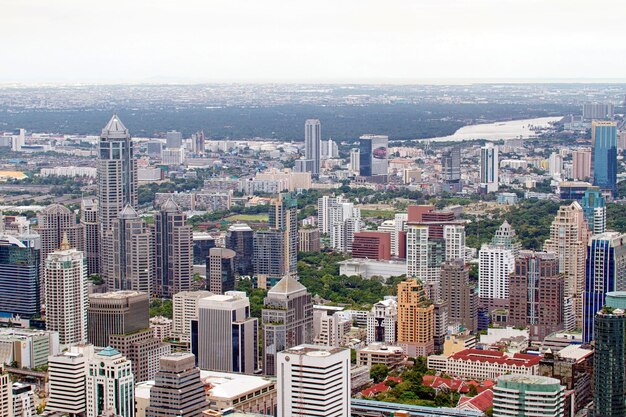
How Big Is Atlanta? A Local Guide to Atlanta’s City Size and What It Really Means
When people ask about “Atlanta city size,” they’re often wondering more than just square miles. They want to know:
How big is Atlanta on a map, how big does it feel day to day, and where exactly does “Atlanta” begin and end?
This guide breaks down Atlanta’s physical size, population, neighborhoods, metro footprint, and driving distances so you can better understand the city—whether you live here, are visiting, or are deciding where to move.
The Basics: How Big Is the City of Atlanta?
In simple geographic terms, the City of Atlanta covers:
- Area: about 136 square miles
- County: mostly in Fulton County, with a portion in DeKalb County
- Elevation: generally around 1,000 feet above sea level, with some hilly terrain
Atlanta isn’t huge in land area compared to many sprawling Sun Belt cities, but it anchors a much larger metro region that stretches far beyond the official city limits.
City of Atlanta vs. Metro Atlanta: What’s the Difference?
When locals say “Atlanta,” they might mean:
- The City of Atlanta (official city limits, mayor, and City Council)
- Metro Atlanta (the broader region where people commute to and from the city)
- Or just “inside the Perimeter” (ITP) vs. “outside the Perimeter” (OTP)
City vs. Metro at a Glance
| Term | What It Means | Rough Size / Scope |
|---|---|---|
| City of Atlanta | Official city limits (your address says “Atlanta, GA” and is in city jurisdiction) | ~136 sq. miles |
| Metro Atlanta | Multi-county region tied to Atlanta for work, housing, and transit | Over 8,000 sq. miles across many counties |
| ITP | “Inside the Perimeter” – areas inside I-285 | Core urban/inner suburban area |
| OTP | “Outside the Perimeter” – suburbs and exurbs beyond I-285 | Much of the metro population |
Key takeaway:
The city is relatively compact, but Metro Atlanta is very large and spread out. Day-to-day life can feel very different depending on whether you’re in Atlanta proper or in one of the surrounding cities and suburbs.
Population Size: How Many People Live in Atlanta?
City of Atlanta population:
Commonly rounded to around half a million residents within city limits.
Metro Atlanta population:
Often estimated in the millions, spread across multiple counties including:
- Fulton
- DeKalb
- Cobb
- Gwinnett
- Clayton
- Henry
- Cherokee
- And several others
What this means for you:
- Inside the city, density varies a lot.
- Midtown, Downtown, Old Fourth Ward, and Buckhead feel more urban and busy.
- Southwest Atlanta and some westside neighborhoods can feel more residential and lower-density.
- Across the metro, you’ll find everything from walkable intown neighborhoods to sprawling suburbs and semi-rural edge communities.
How Atlanta’s Size Feels on the Ground
1. Driving Across the City
Depending on traffic, crossing Atlanta can feel very different from what the map suggests.
Rough drive times in normal (non-rush hour) conditions:
- Downtown to Buckhead (Peachtree/Lenox area): ~15–25 minutes
- Downtown to the Airport (Hartsfield-Jackson): ~15–20 minutes
- Downtown to West Midtown: ~10–15 minutes
- Downtown to East Atlanta Village: ~10–20 minutes
During rush hour or major events, these times can easily double, especially along:
- I-75/85 (the Downtown Connector)
- I-285 (the Perimeter)
- GA-400, I-20, and key surface streets like Peachtree Street or Northside Drive
So while Atlanta isn’t enormous in square miles, traffic and congestion can make it feel much bigger.
2. Inside the Perimeter vs. Outside the Perimeter
Locals divide the region by I-285, known as “the Perimeter.”
ITP (Inside the Perimeter)
- Includes most of the City of Atlanta and a few neighboring municipalities.
- More urban, with denser housing, mixed-use development, and more walkable areas.
- Examples: Midtown, Downtown, Virginia-Highland, East Atlanta, West End.
OTP (Outside the Perimeter)
- Larger ring of suburbs and exurbs.
- Often more single-family neighborhoods, shopping centers, and business parks.
- Examples: Sandy Springs, Marietta, Decatur (city), Alpharetta, Roswell, Duluth, McDonough.
For someone deciding where to live or stay, the ITP vs. OTP distinction can dramatically change commute length and how “big” Atlanta feels in daily life.
Neighborhood Scale: How Big Does Atlanta Feel Block by Block?
Within the city’s 136 square miles, Atlanta is divided into:
- 25 official Neighborhood Planning Units (NPUs) – used for community and planning input
- More than 200 neighborhoods and community names recognized by locals and city planning
A few well-known areas and how they fit into the city’s “size”:
Downtown & Midtown:
- Small in land area but high activity density.
- Major employers, high-rises, Georgia State University, Georgia Tech, civic buildings, arenas, and convention spaces.
Buckhead:
- Large commercial core plus extensive residential areas.
- Driving from south Buckhead to north Buckhead can take 20+ minutes depending on traffic.
Westside (West Midtown, Upper Westside, etc.):
- Once mostly industrial; now full of converted warehouses, mixed-use developments, and residential growth.
- Feels like a big “slice” of the city, with its own restaurant, retail, and nightlife districts.
Eastside (Inman Park, Old Fourth Ward, Kirkwood, East Atlanta):
- Dense cluster of neighborhoods strung along major corridors and the Atlanta BeltLine.
- Walkable pockets, but you still need a car for many trips unless you plan around MARTA and BeltLine access.
Even though the city is not immense in land, the neighborhood diversity can make Atlanta feel like several smaller cities stitched together.
How the BeltLine Changes the Feel of Atlanta’s Size
The Atlanta BeltLine—a growing loop of trails, parks, and planned transit built on old rail corridors—has reshaped how people experience distance in the city.
- Areas once separated by railroads and industrial land now feel closer and more connected.
- For many residents, walking or biking along the BeltLine can replace some short car trips between neighborhoods like:
- Inman Park ↔ Old Fourth Ward
- Midtown ↔ Poncey-Highland
- West End ↔ Adair Park
Even if the map hasn’t changed, perceived distance shrinks when trails, sidewalks, and bike connections improve.
Public Transit and City Size: Getting Around Without a Car
MARTA (Metropolitan Atlanta Rapid Transit Authority) helps make the city feel more manageable, especially along rail corridors.
MARTA Rail Coverage
MARTA rail lines run roughly:
- North–South: from North Springs / Doraville through Buckhead, Midtown, Downtown to the Airport
- East–West: from Indian Creek through Downtown to H.E. Holmes
If you live, work, or stay near a MARTA station, Atlanta can feel significantly smaller:
- Downtown to Airport: around 15–20 minutes by train
- Midtown to Buckhead: around 10–15 minutes by train
However:
- Many neighborhoods do not have direct rail access.
- Buses cover more of the city, but frequencies and routes vary, which can make some trips feel long and complex.
City Services and Jurisdiction: Why City Size Matters Practically
Where the City of Atlanta ends and another jurisdiction begins matters for:
- Police and fire services
- Zoning and building permits
- Utilities and trash pickup
- Property taxes and voting districts
If you’re unsure whether an address is inside the City of Atlanta, you can:
- Check the Fulton County or DeKalb County property records.
- Look up the address using the City of Atlanta’s GIS or property search tools (often available through the city’s official website).
- Call the City of Atlanta ATL311 customer service line at 3-1-1 (inside city limits) or 404-546-0311 (outside Atlanta) for guidance on city services and boundaries.
City Hall (central point of city government):
- Atlanta City Hall
- 55 Trinity Ave SW
- Atlanta, GA 30303
- Main information line: commonly listed as (404) 330-6000
Comparing Atlanta’s Size to Everyday Experience
Here’s how many residents and visitors tend to experience Atlanta’s “size” in practice:
Commuters:
- Someone living in Smyrna and working in Midtown might spend 45–60+ minutes each way, making the region feel very large even if the distance isn’t extreme.
Intown residents:
- A person living in Old Fourth Ward can access many daily needs within a 10–15 minute radius (by car, bike, or on foot), so the city can feel relatively compact.
Visitors staying Downtown or Midtown:
- Many major attractions—Georgia Aquarium, World of Coca‑Cola, State Farm Arena, Mercedes-Benz Stadium, Centennial Olympic Park, College Football Hall of Fame—are close together.
- If you mostly stay in that corridor, Atlanta can feel small and easy to navigate, especially with MARTA.
Suburban families:
- Families in north Fulton, Gwinnett, or Henry County often plan trips to the city as destination outings rather than quick errands, reflecting just how big Metro Atlanta feels day to day.
Key Things to Know About Atlanta’s City Size
Here are the main points to keep in mind if you’re trying to understand how big Atlanta really is:
- The City of Atlanta is about 136 square miles, focused mostly in Fulton County.
- Metro Atlanta stretches over thousands of square miles and includes numerous counties and cities.
- Traffic and road patterns can make short distances take a long time, making the region feel larger.
- The BeltLine, MARTA rail, and walkable intown neighborhoods can make certain parts of the city feel more compact.
- Whether you feel Atlanta as “small” or “huge” depends heavily on:
- Where you live (ITP vs. OTP)
- Whether you rely on a car, transit, bike, or walking
- How often you cross the region for work, school, or events
If you are moving to, visiting, or already living in Atlanta, understanding these layers—city limits, metro spread, traffic patterns, and neighborhood connections—will give you a much clearer picture of what “Atlanta city size” really means in everyday life.