
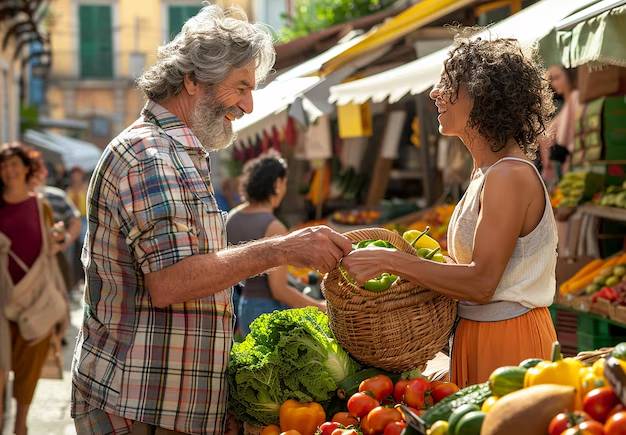
City Farmers Market in Atlanta: Where to Go, What to Expect, and How to Make the Most of It
If you’re searching for “City Farmers Market Atlanta”, you’re probably looking for fresh produce, diverse international foods, and a true local shopping experience—not just another big-box grocery run. In and around Atlanta, “City Farmers Market” typically refers to a style of large, multicultural grocery and farmers market–style stores that cater to many communities, often with strong Caribbean, Latin, African, Asian, and Southern influences.
Atlanta doesn’t have just one single “City Farmers Market” location; instead, there are multiple large-format international farmers market–style stores and public markets around the metro area. Here’s how to understand them, choose one, and shop them like a local.
What “City Farmers Market” Usually Means in Atlanta
In Atlanta, when people say “City Farmers Market”, they may be referring to:
- A specific international grocery store brand with “Farmers Market” in the name (often in the suburbs or on major corridors).
- A local farmers market–style supermarket offering fresh produce, meats, seafood, and international groceries.
- A public or neighborhood farmers market that feels like a “city farmers market” because it’s in-town and community-focused.
Most of these places share a few traits:
- Large produce sections with fruits and vegetables you may not find in mainstream chains.
- Fresh meat and seafood counters, often with whole fish, specialty cuts, and goat, lamb, oxtail, and more.
- International aisles with items commonly used in African, Caribbean, Asian, Latin American, and Middle Eastern cooking.
- Affordable prices on many staples compared with some upscale grocery chains.
For someone living in or visiting Atlanta, Georgia, these markets can be a go-to for:
- Weekly produce shopping
- Stocking up on spices and pantry items
- Finding ingredients for authentic cultural dishes
- Exploring new flavors from around the world
Key Atlanta-Area Markets People Associate With “City Farmers Market”
Below is a summary-style table of the types of markets Atlantans often mean when they talk about “city farmers markets.” This includes large international markets and central public markets that give a similar experience.
| Type of Market | Example / Area | What It’s Known For |
|---|---|---|
| Large international farmers market–style stores | Buford Highway, Duluth, Norcross, etc. | Huge produce sections, global foods, meat & seafood |
| In-town public market | Municipal Market (Sweet Auburn) | Local vendors, prepared foods, produce, meats |
| Neighborhood farmers markets | East Atlanta, Grant Park, etc. | Seasonal, local farms, smaller but very community-based |
| Specialty international grocers | Korean, Latino, Indian corridors | Deep selection in one or two regional cuisines |
This mix means there isn’t a single “City Farmers Market Atlanta” destination; instead, you’ll likely choose a few based on what side of town you’re on and what kind of experience you want.
Popular Farmers Market–Style Destinations in and Around Atlanta
1. Municipal Market (Sweet Auburn Curb Market) – Downtown Atlanta
While not branded as “City Farmers Market,” the Municipal Market in Sweet Auburn is often what people imagine when they think of a city-run farmers market.
- Location: 209 Edgewood Ave SE, Atlanta, GA 30303
- Vibe: Historic indoor market with a mix of produce vendors, butcher shops, bakeries, and prepared food stalls.
- Good for:
- Fresh fruits and vegetables from local and regional suppliers
- Southern staples like collard greens, sweet potatoes, and okra
- Meat counters with fresh cuts and sausages
- Grabbing a meal while you shop
It’s easily accessible if you’re staying or living downtown or in Old Fourth Ward, and it’s a convenient stop if you’re visiting attractions like the Martin Luther King Jr. National Historical Park or the Atlanta Streetcar corridor.
2. Buford Highway Corridor – International Farmers Market–Style Stores
If you ask an Atlanta local where to find an all-in-one, “city-sized” farmers market with global foods, many will point you toward Buford Highway, which runs through parts of Brookhaven, Doraville, and Chamblee just northeast of the city.
Along this corridor, you’ll find multiple large markets (often branded as farmers or international markets) that offer:
- Extensive produce sections with tropical fruits, fresh herbs, and Asian and Latin vegetables.
- Large seafood departments with whole fish, shellfish, and live options in some stores.
- Butcher counters with cuts for Korean barbecue, hot pot, stews, and traditional dishes from many cultures.
- Aisles dedicated to regions like East Asia, South Asia, West Africa, the Caribbean, and Latin America.
These markets are especially helpful if you:
- Live in Brookhaven, Chamblee, Doraville, or Northeast Atlanta
- Need specialty items like plantains, yuca, lemongrass, fresh chilies, specialty rice, or dried chilies
- Want to buy bulk spices or unique sauces and pastes
For many Atlanta households, a big Buford Highway market run is a weekly or monthly routine to stock up on essentials that can be hard to find elsewhere.
3. Neighborhood Farmers Markets Inside the City
If you’re thinking of a “city farmers market” more in the sense of open-air, seasonal markets with local farms, Atlanta has many neighborhood options. These don’t usually operate daily like a supermarket but open on specific days of the week.
Examples of areas with established neighborhood markets include:
- East Atlanta Village
- Grant Park
- Virginia-Highland
- Westside / West Midtown areas
These markets typically offer:
- Locally grown produce from nearby Georgia farms
- Artisan goods like bread, jam, pickles, and baked items
- Local meat and eggs from small farms
- A strong community feel, often with music and events
If you live in-town and want farm-direct, seasonal ingredients, combining a neighborhood farmers market visit with occasional trips to a larger “city” international market can cover a wide range of needs.
What You’ll Typically Find at a City-Style Farmers Market in Atlanta
While exact offerings vary by location, you can usually expect:
Fresh Produce
- Local and regional staples:
- Greens (collards, kale, mustard greens)
- Peaches (in season), apples, berries
- Sweet potatoes, onions, squash
- International produce:
- Plantains, yuca, malanga
- Bok choy, napa cabbage, daikon
- Scotch bonnet peppers, Thai chilies, fresh herbs like cilantro, culantro, and lemongrass
Meat and Seafood
Most large markets have full-service butcher and seafood counters, with:
- Whole fish, fillets, shrimp, and sometimes live shellfish
- Cuts used in global cuisines: short ribs, oxtail, goat, lamb, pork belly, whole ducks, and more
Pantry and International Aisles
You’ll often see dedicated sections for:
- Asian groceries: noodles, soy sauces, fish sauce, miso, seaweed, rice varieties
- Latin groceries: masa, dried chilies, Mexican spices, beans, tortillas
- African and Caribbean staples: fufu flour, stock cubes, palm oil, seasonings, canned goods
- Spices and herbs: bulk bags, specialty blends, and items that can be more expensive at conventional supermarkets
Baked Goods and Prepared Foods
Depending on the market:
- Bakeries with fresh bread, pastries, and cakes
- Deli counters with hot bar items or grab-and-go dishes
- In some areas (especially Buford Highway and Sweet Auburn), small food stalls or restaurants inside or attached to the market
Tips for Shopping a City Farmers Market in Atlanta
1. Plan Around Traffic and Peak Times
Atlanta traffic can make a “quick trip” much longer, particularly if you’re heading to Buford Highway or other busy corridors.
- 🕒 Best times: Morning or early afternoon on weekdays are usually calmer.
- 🚗 Parking: Most large markets have their own lots; downtown and in-town public markets may rely more on decks and street parking.
2. Bring Your Own Bags and Coolers
For bigger shops—especially if you’re:
- Buying a lot of produce or meat
- Driving a distance (for example, from the south side up to Buford Highway)
…it helps to bring:
- Sturdy reusable bags
- A small cooler or insulated bag if you’re purchasing seafood or meat and facing a longer drive home
3. Explore, Don’t Rush
One of the main advantages of these markets in Atlanta is the variety. Walk the aisles and:
- Look for new fruits and vegetables to try
- Compare prices on staples like rice, beans, and oils
- Check the frozen and refrigerated sections for dumplings, breads, or specialty items
4. Ask for Help at the Counter
At many Atlanta-area markets:
- Butchers and seafood staff are used to questions from customers learning new cuts or recipes.
- You can often ask them to clean fish, trim meat, or slice specific cuts within what store policy allows.
- If you’re unsure how to cook something, staff or other shoppers will sometimes share basic preparation tips based on their own traditions.
Payment, Services, and Accessibility Considerations
Payment Methods
Most city-style farmers markets and public markets in and near Atlanta accept:
- Credit and debit cards
- Cash
- Some neighborhood farmers markets and individual farm stands accept EBT / SNAP benefits through a central program, often with matching incentives on fresh produce at certain locations.
Because policies vary by market and by vendor, it’s a good idea to:
- Bring a backup payment method if possible.
- Look for clearly posted signs at each stall or at the main customer service area.
Accessibility
Many of the larger markets are:
- Single-level or elevator-accessible
- Set up with wide aisles that can accommodate wheelchairs and strollers, though busy times may feel crowded
If you have specific accessibility needs, calling the market’s main phone line beforehand can clarify:
- Entrance options
- Restroom access
- Best times to visit for a less-crowded experience
Choosing the Right “City Farmers Market” for Your Situation
If you’re in or near Downtown, Old Fourth Ward, or Inman Park
→ Look at the Municipal Market (Sweet Auburn) for a classic city market feel and easy access from central Atlanta.
If you’re in Northeast Atlanta, Brookhaven, Chamblee, or Doraville
→ Explore the Buford Highway international markets, which function like massive city farmers markets with broad global selections.
If you’re in intown neighborhoods like East Atlanta, Grant Park, or Virginia-Highland
→ Add a local neighborhood farmers market to your weekly routine for seasonal, local produce, then supplement with a bigger international market when you need specialty items.
If you’re visiting Atlanta and want a food experience
→ Spend a few hours between a central market (like Sweet Auburn) and a trip up to Buford Highway, where you can shop and then eat at nearby restaurants representing cuisines from all over the world.
How to Get Started Today
To put this into action as an Atlanta resident or visitor:
Decide what you need most right now
- Everyday produce and basics
- International ingredients
- Local, farm-direct seasonal items
Pick a convenient area based on where you’re staying or living:
- Downtown: Municipal Market
- Northeast: Large international markets along Buford Highway
- In-town neighborhoods: Weekly neighborhood farmers markets
Make a simple list of items you want to find, plus one or two “new things” you’re willing to try.
Give yourself extra time on your first visit. Wandering the aisles is often how Atlantans discover favorite ingredients and new dishes.
By understanding how “City Farmers Market”–style shopping works across Atlanta, you can tailor your trips—whether you’re stocking your pantry for the week, exploring new cuisines, or just experiencing a vibrant slice of local food culture.