
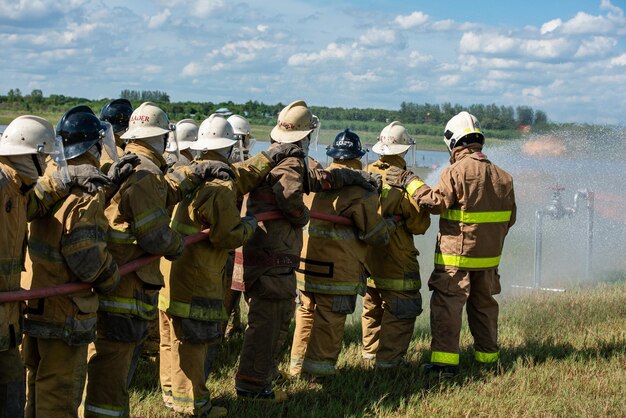
City of Atlanta Fire Services: How Fire Protection Works in Atlanta, GA
Fire safety in a big, fast-growing city like Atlanta is a serious business. Whether you live in the city, work downtown, or are just visiting, it helps to understand how the City of Atlanta Fire Rescue Department (AFRD) works, what to do in an emergency, and how to tap into local fire safety resources.
This guide walks through how fire services are organized in Atlanta, how to get help, and what everyday people can do to help prevent fires and stay safe.
Atlanta Fire Rescue Department at a Glance
The City of Atlanta Fire Rescue Department is the primary agency responsible for:
- Fire suppression (putting out fires in homes, businesses, and wildland/urban interface areas)
- Emergency medical response (many calls are medical in nature)
- Rescue operations (vehicle accidents, building collapses, high-angle rescues, water rescues)
- Fire prevention and inspections
- Public education on fire safety
AFRD covers the City of Atlanta limits (not all of metro Atlanta), including:
- Downtown, Midtown, Buckhead
- Westside neighborhoods
- Southwest and Southeast Atlanta
- The Hartsfield–Jackson Atlanta International Airport area (in coordination with airport fire services)
If you are in unincorporated Fulton, DeKalb, Cobb, or other counties, your fire department may be a county or neighboring city department, not AFRD. When you call 911, dispatchers route the call to the right agency based on your location.
What To Do in a Fire Emergency in Atlanta
1. Call 911 Immediately
If there is any fire, smoke, explosion, or strong smell of burning, call 911 right away. In Atlanta:
- Dial 911 from any phone (cell, landline, or VoIP).
- Give your exact location (building name, apartment number, nearest intersection).
- Briefly describe what’s happening:
- “Apartment fire, smoke in hallway”
- “Car on fire on I-20 eastbound near exit __”
- “Kitchen fire, trying to get out now”
💡 Tip: In high-rises or large complexes, mention floor and unit clearly. This helps AFRD crews find you faster.
2. Evacuate Safely
While help is on the way:
- Leave immediately if you can do so safely.
- Use stairs, not elevators, especially in high-rise buildings downtown or in Midtown.
- Close doors behind you to slow the spread of fire and smoke.
- If smoke is thick, stay low to the ground and cover your nose/mouth with cloth if possible.
- Once outside, do not reenter the building for any reason.
Let AFRD firefighters know if someone is trapped, uses a wheelchair or mobility aid, or if there are pets inside.
How Fire Stations and Response Work in Atlanta
Fire Stations Across the City
AFRD operates multiple fire stations strategically located across Atlanta. Each station serves a “first-due” area but can respond outside its area when needed.
A few examples (station numbers may be useful if you hear them on scanners or in news reports):
- Stations near Downtown/Midtown often handle high-rise, event, and traffic-related calls.
- Stations in Southwest and Southeast Atlanta may respond to more single-family residential fires.
- Stations near Hartsfield–Jackson support airport-related incidents and surrounding neighborhoods.
Response time and resources may be influenced by:
- Traffic conditions (especially during rush hours on I-75/85, I-20, and the Downtown Connector)
- Weather (storms, heat, or ice events)
- Large events (sports games, concerts, festivals) that bring more people into the city center
Types of Fire Apparatus You May See
When Atlanta Fire responds, you may notice different vehicles:
- Engines – carry water, hoses, and basic medical gear
- Trucks/Ladders – equipped with long aerial ladders for high-rise and roof access
- Rescues/Med units – focused on emergency medical calls and technical rescues
- Chief/Command vehicles – used by officers who coordinate large or complex incidents
In a serious fire, several engines, trucks, and support units may arrive. This is normal and reflects standard safety practices in large cities.
Fire Codes, Inspections, and Permits in Atlanta
Fire Codes for Buildings
The City of Atlanta uses fire and building codes that set minimum safety standards for:
- Apartments and condos
- Office towers and commercial buildings
- Restaurants, bars, and nightlife venues
- Warehouses and industrial sites
- Public venues (arenas, theaters, entertainment spaces)
These codes typically cover:
- Fire alarms and sprinkler systems
- Fire exits, stairwells, and emergency lighting
- Maximum occupancy limits
- Fire extinguisher locations and maintenance
If you live or work in Atlanta, you may see posted occupancy signs and EXIT signs as a direct result of these codes.
Fire Inspections in Atlanta
The Atlanta Fire Rescue Department – Fire Prevention Division handles:
- Routine inspections of businesses and certain residential buildings
- Occupancy approvals for new or renovated buildings
- Follow-up on fire safety complaints
Common reasons AFRD may inspect or respond:
- Overcrowding in nightlife districts
- Blocked exits in retail or office spaces
- Concerns about illegal storage of flammable materials
If you notice something that looks unsafe where you live, work, or visit in Atlanta, you can typically contact the Fire Prevention/Code Enforcement office via the city’s non-emergency channels. When possible, report specifics such as address, floor, and nature of the hazard.
Special Events, Fireworks, and Permits
In a city with frequent events and festivals, fire permits may be required for:
- Large outdoor events using cooking equipment or generators
- Fireworks displays
- Temporary structures (tents, stages) above certain sizes
If you’re organizing an event in Atlanta, you may need to work with AFRD or the city’s permitting office to ensure fire safety requirements are met. This can include having fire extinguishers on-site, designated emergency access routes, and safe crowd management.
Home Fire Safety for Atlanta Residents
Living in Atlanta—whether in a high-rise, duplex, or single-family home—comes with specific fire safety considerations.
Smoke Alarms and Carbon Monoxide Detectors
In Atlanta housing:
- Smoke alarms should be installed in every bedroom, outside sleeping areas, and on every level.
- Many multi-family buildings are required to have hard-wired smoke alarms or a central alarm system.
- Carbon monoxide detectors are strongly recommended in homes with fuel-burning appliances or attached garages.
Basic practices:
- Test alarms monthly.
- Replace batteries at least once a year (or as soon as you hear the low-battery chirp).
- Replace smoke alarms typically every 10 years, based on the manufacturer’s instructions.
Cooking and Apartment Safety
In Atlanta, many residential fires start in the kitchen, especially in apartments and student housing. To reduce risk:
- Never leave stovetops unattended, especially with oil or grease.
- Keep flammable items (towels, paper, packaging) away from burners.
- Use microwaves and small appliances according to instructions, and avoid daisy-chaining extension cords.
If a small pan fire starts and you can act safely:
- Turn off the burner.
- Carefully cover the pan with a lid to smother the flames.
- Do not use water on grease fires.
- If the fire is spreading or you’re unsure, evacuate immediately and call 911 from a safe location.
High-Rise and Condo Living
Atlanta has many high-rise apartments and condos, particularly in Midtown, Downtown, Buckhead, and along major corridors. Know in advance:
- Primary and secondary exit routes (stairs, not elevators).
- The location of stairwells and fire doors.
- Where manual pull stations and fire extinguishers are located, if available.
If a fire alarm sounds:
- Do not assume it is a false alarm; leave your unit to check the nearest stairwell.
- Feel doors for heat with the back of your hand before opening.
- If smoke is heavy in the hall or stair, consider sheltering in place in your unit (if not directly affected by fire), call 911, and follow instructions from AFRD and building management.
Many Atlanta buildings have specific evacuation plans—ask your property management for written instructions if you’re unsure.
Wildfire, Brush, and Outdoor Fire Concerns in Atlanta
Most fires in the City of Atlanta are structural or vehicle-related, but brush and grass fires can occur in:
- Vacant lots and wooded patches in urban neighborhoods
- Near interstates and highways
- Along the Chattahoochee River corridor and green spaces
Common best practices:
- Dispose of cigarettes properly; do not toss them from vehicles or balconies.
- Avoid unattended outdoor burning within city limits; many types of open burning are restricted or require permits.
- Store yard debris and firewood away from structures when possible.
Outdoor burning and air quality may be controlled by both the City of Atlanta and state environmental rules, especially during hot, dry months or air quality alerts.
Fire Safety for Visitors: Hotels, Events, and Attractions
If you’re visiting Atlanta for business, conventions, festivals, or sports events, some simple steps can improve your safety.
In Hotels and Short-Term Rentals
When you check in:
- Locate the nearest exits on your floor.
- Review the evacuation map typically posted on the back of the room door.
- Keep the room key and phone in a consistent, easy-to-find spot at night.
If the fire alarm sounds:
- Take it seriously.
- Use stairs, not elevators.
- Follow staff instructions, and move away from the building to allow AFRD access.
In short-term rentals (such as condos or homes inside the city limits):
- Confirm there are working smoke alarms.
- Make sure exits are clear and unlocked while you are inside.
- Note that AFRD still responds to emergencies at these addresses—calling 911 is the same process.
At Large Venues and Events in Atlanta
Whether you’re at a game, concert, festival, or convention:
- Be aware of posted exit signs when you arrive.
- Follow any safety announcements by event organizers or venue staff.
- If something appears unsafe (blocked exits, severe overcrowding), you can alert event staff or, in urgent situations, call 911.
AFRD often works behind the scenes with venues and event organizers to review fire safety measures, occupancy loads, and emergency plans.
Fire Prevention Education and Community Programs
AFRD and other Atlanta agencies often participate in community outreach and education focused on:
- Teaching kids and families about home escape plans
- Demonstrating how to use fire extinguishers
- Raising awareness about smoke alarms and carbon monoxide
- Supporting neighborhood associations with fire safety information
You may see AFRD firefighters at schools, community centers, neighborhood festivals, and safety fairs. Community groups can often request visits or presentations through AFRD’s administrative or community relations channels.
Non-Emergency Situations and When to Seek Help
Not every fire-related concern requires 911. In Atlanta, consider the following:
Use 911 when:
- There is visible fire or smoke.
- You smell something burning and can’t quickly identify a harmless source.
- You suspect a gas leak or immediate danger.
- A fire alarm is sounding and you see or suspect signs of fire.
Use non-emergency contacts or property management when:
- A fire alarm panel is beeping or malfunctioning but no smoke/fire is present.
- You want to schedule an inspection or ask about codes (typically through AFRD Fire Prevention or city offices).
- You’re reporting ongoing conditions like blocked exits in commercial buildings, unless they present immediate danger.
For property-related concerns inside buildings (blocked stairwells, missing extinguishers, faulty alarms), residents can also contact:
- Building or property management
- Homeowners or condo association
- City or AFRD code enforcement via non-emergency channels
Quick Reference: Fire Safety and Response in Atlanta
| Topic | What It Means in Atlanta |
|---|---|
| Emergency Number | 911 for all fires and life-threatening situations |
| Fire Service Provider | Atlanta Fire Rescue Department within city limits |
| Common Risks | Apartment and kitchen fires, electrical issues, vehicle fires, brush fires |
| Key Settings to Be Aware Of | High-rise buildings, older housing, busy highways, event venues |
| Resident Responsibilities | Maintain smoke alarms, know exits, practice safe cooking and electrical use |
| Visitor Considerations | Learn hotel exits, heed alarms, follow venue safety rules |
| Code & Inspection Focus | Exits, sprinklers, alarms, occupancy, storage of flammable materials |
| Outdoor Concerns | Limited open burning, brush fires in vacant lots and along roadways |
Understanding how fire services work in the City of Atlanta makes it easier to respond calmly in an emergency, recognize hazards early, and do your part in keeping homes, workplaces, and public spaces safe. Whether you’re a long-time Atlantan or just passing through, knowing when and how Atlanta Fire Rescue steps in—and what you can do in the meantime—can make a real difference.