
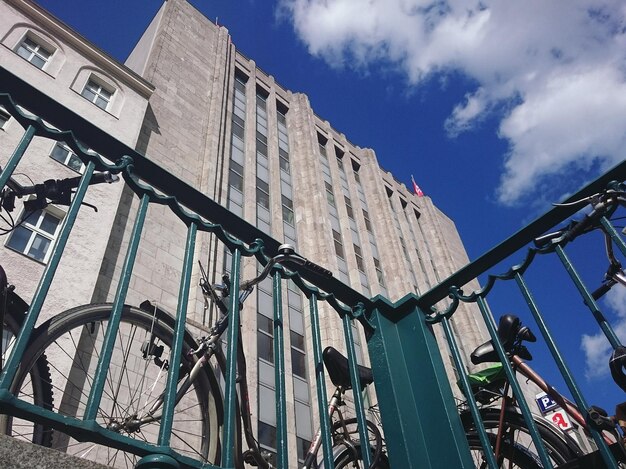
City of Atlanta Public Safety Annex: What It Is and How It Serves You
If you live in or visit Atlanta, you may hear about the City of Atlanta Public Safety Annex and wonder what it is, where it is, and how it affects your day-to-day safety. This guide breaks down what “public safety annex” typically means in Atlanta, how it fits into the city’s broader safety system, and how you might use or interact with these facilities.
What Is a Public Safety Annex in Atlanta?
In Atlanta, a public safety annex is generally a smaller, satellite facility used by public safety agencies such as:
- Atlanta Police Department (APD)
- Atlanta Fire Rescue Department (AFRD)
- Sometimes other city departments involved in emergency management or code enforcement
A public safety annex usually:
- Extends services closer to specific neighborhoods or business districts
- Houses police precincts, mini-precincts, or specialized units
- Can serve as a community meeting point for safety-related events
- May offer limited in-person services (for example, filing some reports, community policing support, or neighborhood watch coordination)
Think of a Public Safety Annex as a support hub. It is not the same as a full police headquarters or a major fire station, but it helps bring public safety personnel closer to where people live, work, and visit.
How the Public Safety Annex Fits Into Atlanta’s Safety Network
Atlanta has a layered public safety system. The Public Safety Annex concept fits into this larger structure:
1. Main Public Safety Headquarters
Atlanta’s primary public safety leadership – including police and fire command staff – is based in central facilities in or near Downtown. These oversee:
- Citywide emergency response
- Specialized units (homicide, traffic enforcement, fire investigations, etc.)
- Training, administration, and citywide planning
2. Precincts, Zones, and Fire Stations
Atlanta is divided into police zones and fire battalions, each with stations or precincts that respond directly to emergencies in defined areas.
Public safety annexes can:
- Provide additional workspace for officers or firefighters in high-demand zones
- Support outreach programs like community policing, crime prevention, and youth programs
- Improve coverage for dense neighborhoods, major corridors, or redevelopment areas
3. Community-Focused Facilities
In some parts of Atlanta, public safety annexes are either stand-alone or co-located with:
- Neighborhood centers
- Transportation hubs
- City administrative buildings
These facilities help city staff and public safety officers collaborate with residents on local concerns such as:
- Traffic safety
- Quality-of-life complaints
- Homeless outreach and mental health crisis coordination
- Code compliance and nuisance properties
What You Can (and Can’t) Do at a Public Safety Annex
The exact services available at a City of Atlanta Public Safety Annex depend on which departments operate from that particular annex and how it’s staffed. As a resident or visitor, you might typically be able to:
Common Services You May Find
- Speak with an officer or city representative about local safety concerns
- Get information on neighborhood watch, business watch, or community policing efforts
- Report non-emergency issues that affect your block or building (these may also be routed through non-emergency phone lines)
- Participate in community meetings hosted by public safety staff
- Obtain forms or instructions relevant to public safety programs (e.g., alarm registration guidance, crime prevention tips for businesses)
Some annexes may also be staging points for:
- Bike patrols
- Foot patrols
- Task forces focused on specific corridors or campuses
Services Usually Not Handled at an Annex
Even though it’s a public safety facility, a Public Safety Annex is generally not where you would:
- Call or go for life-threatening emergencies
- Pay most citywide fines or fees (those often go through centralized municipal or court offices)
- Handle complex legal matters such as court appearances, warrants, or major case investigations
For emergencies, you should always:
- Call 911 within the City of Atlanta
- Clearly state your location and what’s happening
For non-emergencies, many residents use:
- Atlanta Police non-emergency line: 404‑658‑6666
- City information and services (often via a 311 system or city service line) for general city questions
When You Might Interact With a Public Safety Annex
If you live, work, or spend time in areas of Atlanta with a concentrated public safety presence – such as parts of Downtown, Midtown, Buckhead, or key commercial corridors – you are more likely to see or use a public safety annex.
Common Scenarios
You might find yourself dealing with the City of Atlanta Public Safety Annex or similar satellite facilities when:
Your neighborhood group hosts a safety meeting
- APD or AFRD may hold regular sessions at an annex to discuss crime trends, response times, and community concerns.
You operate a business in a high-traffic area
- Business owners sometimes coordinate with annex-based units about recurring problems such as vandalism, unauthorized parking, or loitering.
You’re part of a neighborhood watch or civic organization
- Annex locations can be used for training, planning, and check-ins with assigned officers.
You’re visiting Atlanta for a major event
- During large conventions, festivals, or sports events, public safety annexes or temporary annex-style posts may support increased patrols and public presence.
How to Figure Out Which Annex or Facility Serves You
Public safety in Atlanta is mostly organized by geographic zones and service areas. To understand which facility or annex you should work with:
1. Identify Your Police Zone or Fire Service Area
Atlanta residents often start by determining:
- APD Zone (for police)
- AFRD station or battalion (for fire and rescue)
These are usually based on your home or business address. Once you know your zone:
- You can contact the appropriate zone precinct to ask whether there is a nearby public safety annex serving your community.
- Many neighborhoods also have assigned community liaison officers who may work out of an annex part of the time.
2. Call Non-Emergency Numbers for Guidance
If you’re unsure whether to go to a main precinct, a public safety annex, or another city office, you can:
- Call the APD non-emergency line (404‑658‑6666)
- Explain your issue (e.g., “ongoing speeding on my street,” “concerns about lighting and safety near my complex,” “questions about starting neighborhood watch”)
- Ask if there is a public safety annex or community office in your area and how to connect with it
3. Use City Information Services
City information services can help you:
- Identify which city department best handles your issue
- Confirm locations, hours, and services for public safety-related facilities
- Get contact details for zone commanders, community liaison officers, or code enforcement
Public Safety Annex vs. Other Atlanta Safety Facilities
Because the term can be confusing, it helps to compare a public safety annex with other common city facilities.
| Type of Facility | Primary Role | How You Might Use It |
|---|---|---|
| Public Safety Annex | Satellite or support site for public safety operations | Community meetings, local safety coordination, outreach |
| Police Precinct / Zone Office | Daily police operations for a defined geographic area | File some reports, meet zone officers, community policing |
| Fire Station | Firefighting and medical first response hub | Emergency response coverage; occasional community events |
| Municipal Court / City Hall | Legal, administrative, and city governance functions | Pay certain fines, attend court, address citywide issues |
This breakdown can help you decide where to start when you have a safety-related question in Atlanta.
Practical Tips for Atlanta Residents and Visitors 🚨
To make the most of Atlanta’s public safety resources — including any public safety annexes:
- Save key numbers in your phone
- 911 for emergencies inside the city
- APD non-emergency: 404‑658‑6666
- Know your location
- Whether you’re in Downtown, Midtown, Buckhead, Southwest Atlanta, or another neighborhood, having the specific address helps responders and staff.
- Ask about community programs
- If you attend a meeting at a public safety annex, ask about programs like community watch, safety audits for businesses, or youth engagement events.
- Use annexes for relationship-building
- When annex facilities support community meetings or drop-in hours, they can be a good place to build ongoing relationships with local officers or city representatives rather than waiting for a crisis.
If You’re New to Atlanta or Researching the City
For someone just moving to Atlanta or considering a visit, the presence of a City of Atlanta Public Safety Annex and similar facilities is one sign that the city is investing in:
- Localized public safety presence
- Community engagement and outreach
- More efficient response and visibility in certain corridors and neighborhoods
If safety is a key factor in where you live, work, or stay:
- Find out which police zone and fire station cover the area you’re interested in.
- Ask property managers, neighborhood associations, or business groups whether there is a nearby public safety annex or similar facility, and how it’s used.
Understanding how the public safety annex concept fits into Atlanta’s system helps you navigate city services more confidently, know where to turn for different types of issues, and make better-informed decisions about living, working, or spending time in the city.