
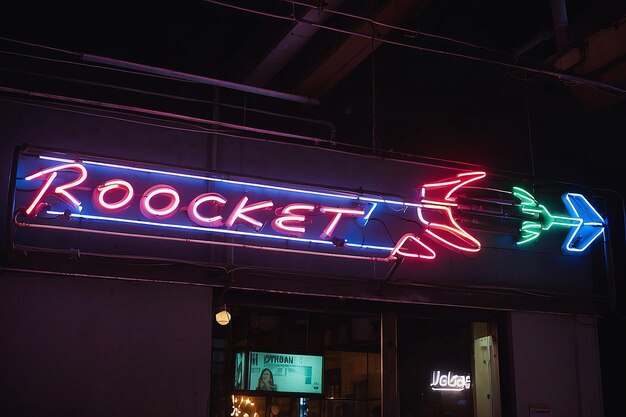
Atlanta Neon Club Signs: How to Stand Out in the City’s Nightlife Scene
Atlanta’s nightlife is bright, busy, and competitive. From Edgewood and Midtown to Buckhead and Castleberry Hill, neon club signs are a big part of how venues get noticed after dark. If you’re opening a new club, rebranding an existing spot, or just curious how Atlanta clubs use neon, understanding the local rules, design options, and installation process will save you time and headaches.
This guide walks through what Atlanta residents, club owners, and visitors should know about neon club signs in Atlanta, Georgia—from permit basics to design tips that actually work in this city.
Why Neon Club Signs Matter in Atlanta
Atlanta is a drive-by and walk-up nightlife city. People spot new places from:
- Busy corridors like Peachtree Street, Ponce de Leon Avenue, and Edgewood Avenue
- Mixed-use hubs like Atlantic Station and West Midtown
- Walkable nightlife clusters in Old Fourth Ward, Inman Park, and Buckhead Village
A well-designed neon club sign can:
- Make your club visible from a distance in heavy traffic
- Create an immediate vibe—upscale lounge, underground club, live music venue, or dance spot
- Help out-of-town visitors actually find your door in dense areas
- Strengthen your club’s brand in photos and social media posts
Because Atlanta mixes older brick buildings with new glass-and-steel developments, neon signs get used in very different ways depending on neighborhood, zoning, and building style.
Types of Neon Club Signs You’ll See in Atlanta
1. Traditional Glass Neon Signs
These are the classic tube neon signs you see glowing along streets like Auburn Avenue or near historic venues.
Common uses:
- Bold club name signs above entrances
- Vertical neon blades on multi-story facades
- Script logos in windows of lounges and cocktail bars
Pros:
- Distinctive, classic glow
- Strong “retro Atlanta” or “old-school club” feel
Cons:
- More fragile than other options
- Typically higher maintenance over time
2. LED “Neon-Style” Flex Signs
Many newer clubs and lounges in places like Midtown and West Midtown use LED flex neon instead of traditional glass.
Pros:
- Energy efficient
- Easier to shape and customize logos/graphics
- Can be suitable for indoor and outdoor use with the right rating
- Often brighter and more controllable (dimming, color change)
Typical Atlanta uses:
- Indoor feature walls behind the bar or DJ booth
- Window signs facing sidewalks in Edgewood or Little Five Points
- Accent outlines around doors or architectural features
3. Window and Interior Accent Neon
Even where exterior signage is tightly controlled—such as in downtown historic districts—clubs still use neon inside:
- Window-mounted neon club name or logo
- Neon slogans or hashtags for photo ops
- Accent lines along ceilings or railings
This approach gives the club a glow visible from the street, while often facing fewer permitting hurdles than major exterior signs.
Key Design Considerations for Atlanta Neon Club Signs
When planning a neon sign in Atlanta, balance visibility, aesthetics, and local rules.
Color Choices That Work in Atlanta
- Bright white, red, and blue: Cut through city lighting on busy Atlanta streets.
- Warm tones (amber, pink, warm white): Common in upscale Midtown and Buckhead lounges.
- Contrasting colors for name and background help your sign stand out among neighboring businesses.
Because Atlanta has many mixed-use buildings with residential units above commercial spaces, think about how intense your sign should be late at night.
Font and Style
For dense areas like Edgewood or downtown, simple and bold fonts are easier to read quickly from a car or sidewalk.
Good practices:
- Keep the club name clear and legible at a glance.
- Use stylized script or symbols as secondary elements.
- Avoid overly thin lines that get lost in ambient street light.
Placement and Visibility
Placement in Atlanta often depends on street type:
- Busy arterials (e.g., Peachtree, Ponce, North Avenue): Higher, larger, and more direct-facing signs help cars and rideshares find you.
- Walkable nightlife streets (e.g., Edgewood Avenue, Highland Avenue): Eye-level window neon, projecting blade signs, and doorframe accents catch foot traffic.
- Multi-tenant buildings (common in Midtown high-rises): You may need to coordinate sign placement with property management’s sign criteria.
Permits and Rules for Neon Club Signs in Atlanta
Atlanta regulates most exterior business signs, including neon. This is especially important around historic districts and special zoning areas.
Who Regulates Signs in Atlanta?
Main oversight is through the City of Atlanta Office of Buildings within the Department of City Planning.
Typical City of Atlanta contact location:
- City of Atlanta Office of Buildings
55 Trinity Ave SW
Atlanta, GA 30303
Main phone (City Hall): (404) 330-6000
(You can ask to be directed to the Office of Buildings or Sign Permits.)
For many clubs, especially in busy or historic areas, a sign permit is required before installation.
When You Typically Need a Sign Permit
In Atlanta, a permit is often required if:
- You’re installing a new exterior sign
- You’re significantly changing an existing exterior sign (size, location, structure)
- The sign is electrically illuminated and visible outdoors
Window neon that is small and clearly inside the building may be treated differently than large exterior building-mounted signs, but owners generally confirm this with the city before spending money on fabrication.
Special Areas and Historic Districts
Some of Atlanta’s nightlife zones overlap with areas that have extra rules:
- Martin Luther King Jr. Landmark District / Auburn Avenue
- Parts of Castleberry Hill
- Sections of Downtown and other historic overlays
In those zones, you may face:
- Stricter limits on sign size, colors, and placement
- Requirements to match historic or architectural style
- Additional review steps before approval
When your club is in or near one of these districts, it’s common to:
- Confirm your exact zoning.
- Ask whether historic review or special administrative permit steps apply.
- Show design mockups early so you don’t have to redo work later.
Property and Landlord Rules
Beyond city rules, most Atlanta commercial buildings—especially in:
- Midtown high-rises
- Buckhead Village
- Mixed-use developments like Ponce City Market or The Battery Atlanta
have private sign criteria in leases. These can cover:
- Maximum sign size on your storefront
- Approved colors, materials, and lighting levels
- Whether projecting or blade signs are allowed
- Placement restrictions on windows and doors
It’s common in Atlanta for building management to require pre-approval of your sign design before you even submit it to the city.
Safety and Electrical Considerations
Because neon club signs are electrically lit and often run long hours, safety is a key concern.
Code and Installation
In Atlanta, most permanent, wired neon signage should be:
- Installed by a licensed electrical contractor
- Compliant with applicable electrical and building codes
- Properly grounded and weather-protected for exterior signs
For information about code enforcement and inspections:
- City of Atlanta Department of City Planning – Office of Buildings
55 Trinity Ave SW
Atlanta, GA 30303
Clubs often schedule installations to avoid peak hours and may need to coordinate access with building management, especially in shared urban structures.
Indoor vs. Outdoor Ratings
Because of Atlanta’s humidity, rain, and occasional severe weather:
- Outdoor neon or LED “neon” should be clearly rated for exterior use
- Power supplies and transformers need proper weatherproof housing
- For patios, rooftop bars, and balconies (common in Midtown and Old Fourth Ward), signs should handle exposure to moisture and temperature swings
Cost Factors for Neon Club Signs in Atlanta
While exact prices vary by vendor and complexity, Atlanta club owners usually budget around these drivers:
Main Cost Drivers
- Size & complexity: Larger, multi-color, custom-shaped signs cost more.
- Type of neon: Traditional glass vs. LED flex.
- Installation conditions: High facades, rooftops, or complicated access in dense areas like Downtown or Buckhead can raise installation costs.
- Permit and review fees: City sign permits and, if needed, historic review.
- Electrical work: Running power to the sign location and adding dedicated circuits if necessary.
Many Atlanta clubs phase-in signage: start with essential exterior ID signage, then add interior neon or accent pieces as the venue grows.
Practical Steps to Get a Neon Club Sign in Atlanta
Here’s a simple, Atlanta-focused roadmap if you’re planning a neon sign for a club.
1. Confirm Your Location’s Zoning and Restrictions
- Identify your exact address and zoning classification.
- Check if you’re in a special district (historic, landmark, or special public interest area).
- Talk with your landlord or property manager about any private sign criteria.
2. Outline What You Need the Sign to Do
Clarify:
- Primary goal: Visibility from cars, walk-up appeal, branding for social media, or all three.
- Where it will be seen: Major street, side street, alley entrance, rooftop, or interior window.
- Hours of operation: Whether you’ll keep it on late into the night and how bright it should be near any nearby residences.
3. Develop a Concept and Basic Design
Focus on:
- Readable club name
- Strong contrast with the building’s exterior and surrounding lighting
- A style that matches your club’s vibe—edge, luxury, underground, live music, etc.
At this stage, many owners sketch out:
- One main exterior sign
- Optional secondary elements (window neon, interior feature sign, bar-back design)
4. Share the Concept with Your Building and, If Needed, the City
Before spending on fabrication:
- Present mockups to your building management for preliminary approval.
- If your location seems complex (historic overlay, unusual sign type), you may contact the Office of Buildings for clarity on requirements and whether your design will need special review.
5. Work with a Qualified Sign Fabricator and Electrician
When selecting professionals, look for those who:
- Are familiar with City of Atlanta sign and electrical requirements
- Can provide drawings or specifications suitable for permit submission
- Understand installation challenges in urban Atlanta buildings (limited access, multiple tenants, parking constraints)
They can typically help organize needed documents for permit submittal.
6. Secure Required Permits and Schedule Installation
Once your design and documents are ready:
- Submit your sign permit application through the City of Atlanta’s Office of Buildings process.
- Coordinate inspection if required after installation.
- Schedule installation times that don’t impact peak-hours traffic or neighboring businesses too heavily, which is often a concern in active nightlife corridors.
Tips for Getting the Most Out of Neon Club Signs in Atlanta
1. Think about the streetscape.
If your club is on a visually busy stretch (like parts of Midtown), keep your sign clean and bold. Simplicity can stand out more than intricate detail.
2. Consider rideshare visibility.
Many Atlanta club-goers arrive by rideshare. Signs visible from typical drop-off lanes or parking entrances reduce confusion and missed turns.
3. Account for Atlanta’s weather.
Summer storms and humidity are hard on exterior fixtures. Make sure all outdoor components are durable and well-sealed.
4. Pay attention to neighbors.
In mixed-use buildings with residents above, dimmable options or timers can reduce light spill into upper floors late at night.
5. Use interior neon for branding.
Photo-friendly neon phrases or logos inside the club help create shareable moments for social media, especially in Atlanta’s influencer and nightlife scene.
At-a-Glance: Planning Neon Club Signs in Atlanta
| Step | What to Consider | Atlanta-Specific Notes |
|---|---|---|
| 1. Location & Zoning | Confirm address, zoning, special districts | Historic areas and overlays have extra rules |
| 2. Building Rules | Check lease and sign criteria | Common in Midtown, Buckhead, mixed-use hubs |
| 3. Design Concept | Size, color, font, placement | Design for car + foot traffic visibility |
| 4. Permits | Determine if a sign permit is required | Contact City of Atlanta Office of Buildings |
| 5. Fabrication & Electrical | Choose sign type and installer | Use contractors familiar with Atlanta codes |
| 6. Installation & Operation | Timing, access, brightness, hours | Consider neighbors, streetscape, and weather |
Whether you’re launching a new club in Midtown, refreshing a long-standing venue on Edgewood, or opening a lounge in Buckhead, a well-planned Atlanta neon club sign can do more than just light up your doorway—it can define your place in the city’s nightlife and help people actually find you in the glow of the Atlanta evening.