
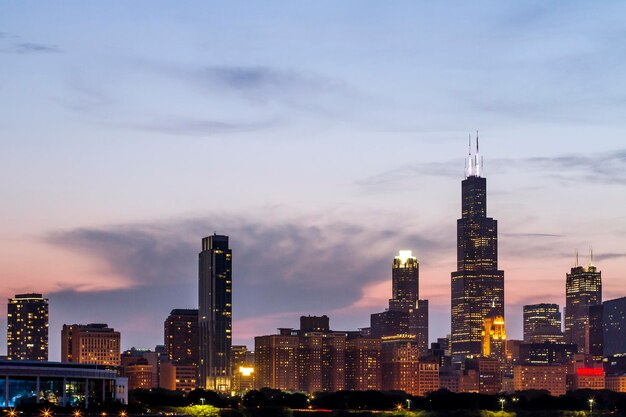
Atlanta Downtown at Night: Best Things To Do, See, and Experience
Atlanta’s downtown at night is a mix of glowing skyscrapers, historic streets, sports energy, and late-night food runs. If you’re wondering whether Atlanta downtown at night is worth visiting, what’s open, and what feels safe, the short answer is: yes, it can be a great night out, as long as you stick to the main entertainment areas, plan your transportation, and know where you’re headed.
Below is a practical, experience-based guide to what to do in downtown Atlanta at night, where to go, how to get around, and what to keep in mind so you enjoy the city rather than stress about it.
What “Downtown Atlanta at Night” Really Feels Like
Downtown Atlanta at night is not a single vibe; it’s several, packed into a few walkable pockets.
In a single evening you can:
- Watch the sun set over Centennial Olympic Park and the skyline
- Catch a Hawks or Falcons game with thousands of fans
- Wander past the glowing SkyView Atlanta Ferris wheel
- Bar-hop around Edgewood Avenue or the Fairlie-Poplar district
- Grab late-night wings or a diner breakfast at 1 a.m.
Many visitors are surprised by how compact the main downtown area feels once you arrive. Landmarks like the Georgia World Congress Center, Mercedes-Benz Stadium, State Farm Arena, and Centennial Olympic Park sit within a relatively short walking radius. On game or concert nights, the streets around them feel more like a festival than a financial district.
If you’re picturing a 24/7 party strip, that’s not quite downtown. Atlanta’s nightlife is spread across multiple neighborhoods (Midtown, Old Fourth Ward, Westside), but downtown is where a lot of the big-night energy starts or ends.
Top Nighttime Attractions in Downtown Atlanta
If you only have one night, these are the headline experiences that consistently stand out.
Centennial Olympic Park and the Surrounding Attractions
Centennial Olympic Park is the anchor of downtown’s tourism district. At night, the area turns into an illuminated playground of landmarks.
What you can do nearby at night:
Walk the park and fountains
The park itself is often lit and walkable in the early evening. Families, couples, and convention-goers stroll through, especially on days with events nearby.SkyView Atlanta (Ferris wheel)
The giant Ferris wheel near the park is one of downtown’s most recognizable night sights. Many visitors ride it for skyline views, date nights, or just to get their bearings from above. At night, the cabins give you a front-row view of illuminated high-rises and traffic snaking along the interstates.World of Coca-Cola / Georgia Aquarium vicinity
Even if attractions are closed, the plaza and buildings around them are lit and often still busy with people walking back to hotels or restaurants.
If you like to start your night with a slower, scenic moment before heading to bars or games, this area is a natural launch point.
Sports, Concerts, and Big-Event Energy
Many people’s first experience of downtown Atlanta at night is tied to a sports game, concert, or convention.
Mercedes-Benz Stadium
When the Falcons (NFL), Atlanta United (MLS), or major artists are in town, the stadium side of downtown fills with:
- Tailgaters and fan groups
- Street vendors selling souvenirs and food
- Lines for rideshare and MARTA trains after the event
On big nights, foot traffic is heavy but generally structured. Security presence is noticeable, and the main routes between the stadium, MARTA stations, and nearby parking decks are well-used. If you’re unsure about venturing far, sticking to the stadium–Centennial Park–hotel corridor is a comfortable choice for many visitors.
State Farm Arena
Right by Centennial Olympic Park, State Farm Arena hosts:
- Atlanta Hawks basketball games
- Major tours and concerts
- Other large-scale events
The atmosphere outside the arena on event nights feels like an extension of downtown nightlife: jersey-clad crowds, street music, and plenty of people walking to nearby restaurants and hotels.
Tip: If you’re new to downtown Atlanta at night, planning around a game or show is one of the easiest ways to feel immersed but not isolated—you’ll never be the only one walking around.
Where to Eat: Late-Night Food and Dinner Spots
A good downtown Atlanta night almost always revolves around food. The challenge is less “Is there anything good?” and more “What’s still open when I get hungry?” Late-night hours vary, and they can shift with events, so it pays to plan your meal windows.
Classic Downtown Dinner and Pre-Event Spots
Around Centennial Olympic Park and the hotels, you’ll find:
- Southern-inspired restaurants offering fried chicken, shrimp and grits, and hearty sides
- Casual burger and sandwich spots that work for families or groups
- Hotel lounges and rooftop bars with small plates and city views
If you’re headed to a game or concert, it’s often easier to eat before the event nearby than try to find food afterward, especially on weeknights when some kitchens close earlier than visitors expect.
Late-Night Eats and After-Event Options
After 10 or 11 p.m., options narrow but don’t disappear.
You’ll commonly find:
- Diners and 24-hour-style restaurants within a short drive or rideshare of downtown
- Wing spots, pizza slices, and burger counters that cater to the post-game crowd
- Hotel bars and kitchens that keep serving late to guests, sometimes open to the public
Locals often combine neighborhoods: dinner downtown, then a quick ride to Midtown, Old Fourth Ward, or the BeltLine for late-night bars and food, then back downtown to their hotel. But if you prefer to stay put, downtown can usually cover at least the basics until late.
Nightlife: Bars, Lounges, and Live Music
Downtown Atlanta’s nightlife zone is smaller than Midtown’s or Buckhead’s, but it has its own character—especially in the Fairlie-Poplar and Edgewood Avenue areas.
Fairlie-Poplar and Historic Streets
The Fairlie-Poplar district, with its older brick buildings and narrower streets, has:
- Cocktail bars and lounges tucked at street level
- Casual pubs with TVs and bar food
- Occasional live music or DJ nights, depending on the venue
These blocks are walkable from many downtown hotels and from the MARTA stations, which makes them a practical pick if you want to go out but stay close.
Edgewood Avenue (Borderline Downtown/Old Fourth Ward)
Edgewood sits on the edge of what some visitors think of as “downtown,” and locals see it as its own nightlife strip. It’s known for:
- Bars with dance floors and DJs
- Laid-back spots with patios and street-side seating
- A mixed crowd that ranges from students to long-time locals
Edgewood can feel livelier and less corporate than Centennial Park’s immediate area. If you want more of a bar-hop, this is where many people end up after starting the evening near the tourist core.
Is Downtown Atlanta Safe at Night?
Safety is almost always the underlying question when people search “Atlanta downtown night.” The reality is nuanced.
Many locals and visitors routinely enjoy downtown at night without problems, especially in busy, well-lit areas and around major events. At the same time, like in most major cities, there are:
- Blocks that feel noticeably emptier and less comfortable late at night
- Occasional reports of petty crime and vehicle break-ins in quieter areas or parking lots
- Situations where people feel uneasy walking alone far from the main sidewalks
Instead of broad generalizations, it’s more useful to focus on specific, practical habits.
Practical Safety Tips That Locals Actually Use
These are patterns many people follow when they’re downtown at night:
Stay in the main activity zones
Stick to areas around Centennial Olympic Park, the stadiums, State Farm Arena, major hotels, and well-known restaurant clusters—especially if you’re unfamiliar with the city.Use MARTA stations and marked paths
The stations around Peachtree Center, Five Points, and GWCC/State Farm Arena typically see steady traffic on game and event nights, which many visitors find reassuring.Be smart about parking
- Choose attended lots or well-lit decks when possible.
- Avoid leaving bags or electronics in view; car break-ins are a common frustration in many urban centers, and Atlanta is no exception.
Plan your route ahead of time
Before leaving your hotel or restaurant, know how you’re getting to your next stop—MARTA, rideshare pickup, or a short walk on a specific street.Avoid aimless wandering on quiet blocks
Once sidewalks empty out late, most locals head directly to their cars, transit, or hotel rather than casually stroll side streets.
As a rule of thumb, if a block feels deserted and you’re unsure where you are, pivot—call a rideshare or head back along a busier route.
Getting Around Downtown at Night
Because Atlanta is famously spread out, many visitors assume they’ll be driving everywhere. In downtown at night, you often have better options.
MARTA (Rail)
MARTA’s rail system connects Hartsfield-Jackson Atlanta International Airport directly to downtown and Midtown. Stations like:
- Five Points
- Peachtree Center
- GWCC/State Farm Arena/CNN Center
put you within walking distance of major hotels, the stadiums, and Centennial Olympic Park.
Many travelers use MARTA to get from the airport to their downtown hotel and then walk or rideshare for the rest of their stay, especially at night.
Rideshare and Taxis
Rideshare is widely used at night in downtown Atlanta. Common patterns:
- Drop-offs near hotel entrances, stadium gates, or in front of restaurants
- Dedicated pick-up zones near major venues after games and concerts
Wait times can spike right after big events, so if you want to avoid the crush, consider leaving slightly early or giving yourself time to grab a snack while the initial surge clears.
Walking
Downtown is more walkable than Atlanta’s reputation suggests, but walkability is concentrated in certain corridors:
- From Centennial Olympic Park to nearby hotels, State Farm Arena, and various restaurants
- Around Peachtree Street and Fairlie-Poplar
- Between MARTA stations and major landmarks
At night, locals tend to walk in groups or along main streets, especially after 10–11 p.m.
Where to Stay for an Easy Downtown Night
If your main goal is to enjoy Atlanta downtown at night without a lot of commuting, staying in or very close to downtown makes a noticeable difference.
Hotel Zones to Consider
Most visitors cluster in a few key areas:
Centennial Olympic Park / Convention Center zone
Great if you’re attending a conference, game, or concert; you can often walk everywhere you need to go.Peachtree Center / Central downtown
Dense with hotels, offices, and MARTA access; convenient for business travelers who want to step out to restaurants and bars without a car.Near Mercedes-Benz Stadium and State Farm Arena
Ideal if your trip revolves around events and you want minimal logistics at night.
Many travelers find that being within a 5–10 minute walk of their main night activities changes the feel of downtown from “intimidating city” to “compact event district.”
Sample Night in Downtown Atlanta: Choose Your Vibe
To make the options more concrete, here’s a structured look at three common types of nights people plan in downtown Atlanta.
| Night Type | Ideal For | Typical Flow | Why It Works |
|---|---|---|---|
| Game or Concert Night | Sports fans, music lovers | Early dinner → Walk to game/show → Post-event drinks or quick bite → Hotel | You’re part of a big crowd, easy routes, lots of built-in energy. |
| Skyline & Chill Night | Couples, solo travelers | Sunset at Centennial Park → SkyView ride → Relaxed dinner → Quiet bar | Lower-key, scenic, and walkable within a small area. |
| Bar-Hop & Late Eats | Friends, younger groups | Pre-game bite downtown → Rideshare to Edgewood/Midtown → Bars → Late food | Combines downtown’s convenience with other nightlife corridors. |
Use these as templates and swap in your own events or restaurants.
Family-Friendly Downtown Nights
Families sometimes wonder whether downtown Atlanta at night is just for adults. In practice, plenty of families:
- Stay in downtown hotels for proximity to Georgia Aquarium, World of Coca-Cola, and Children’s Museum of Atlanta
- Take an after-dinner walk around Centennial Olympic Park
- Ride SkyView Atlanta as a nighttime highlight
The key with kids is usually:
- Earlier evenings (think 6–9 p.m. rather than midnight)
- Direct routes between hotel, dinner, and attractions
- Checking attraction hours in advance, since some close earlier than people expect
On non-event nights, the area can feel quieter but still pleasant in the early evening, which many parents find appealing.
Atlanta Downtown vs. Midtown at Night: Which to Choose?
A lot of visitors end up comparing downtown vs. Midtown for nighttime plans.
Here’s how they commonly differ:
Downtown at night
- Best for: Games, concerts, conventions, iconic attractions, and first-time visits
- Feel: Stadium energy, tourist core, skyline views, some historic streets
- Strengths: Walkable triangle of stadiums–park–hotels, easy MARTA access
Midtown at night
- Best for: Bar and restaurant variety, LGBTQ+ nightlife, arts and theater
- Feel: Denser nightlife, more residential streets, plenty of people out late
- Strengths: More concentrated bar and dining options in one area
Many people sleep downtown but go out in Midtown at least one night, or vice versa. If your main question is, “Where will I feel most comfortable walking at 11 p.m.?” the answer may depend on personal preference, but Midtown’s bar district often feels more consistently busy late into the night, while downtown’s energy can ebb more sharply once events end.
Practical Planning Tips for a Smooth Downtown Night
To wrap things into an actionable checklist, here are the small decisions that make a big difference when enjoying Atlanta’s downtown at night:
Anchor your night around something specific
- A game, concert, SkyView ride, dinner reservation, or walkable bar area.
- Having one or two anchors reduces aimless wandering and travel-time stress.
Book your hotel with night plans in mind
- If your evenings are all downtown, staying nearby cuts out late-night driving and parking worries.
- If you plan to explore multiple neighborhoods, being near MARTA rail can help.
Decide your late-night transportation before you go out
- Will you walk back, take MARTA, or call rideshare?
- Knowing this in advance makes the end of the night feel calmer and safer.
Check event calendars
- On big game or concert nights, downtown is busier but also more animated and staffed.
- On very quiet nights, some people prefer to stick tightly to the main corridors.
Have a “backup plan” for food
- Save at least one nearby spot that you know stays open later.
- This avoids the “everything’s closed and we’re starving” feeling.
Atlanta downtown at night is less about a single must-see attraction and more about how you combine its pieces: skyline views, major events, historic pockets, and a few well-chosen stops for food and drinks. Go in with a clear sense of where you’re heading, stay in the active areas, and the district often feels more navigable and enjoyable than its reputation might suggest.