
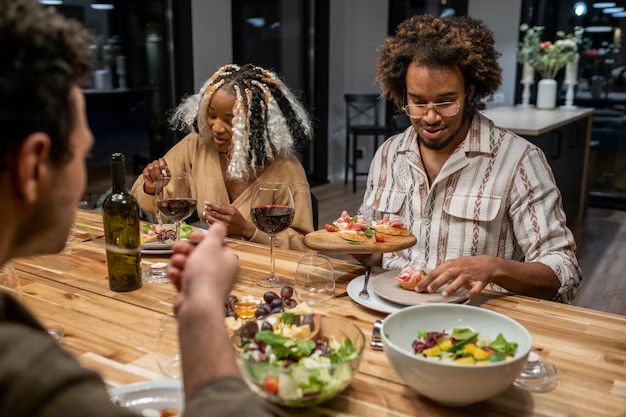
Exploring African Food in Atlanta: Where to Go and What to Try
Atlanta has one of the most diverse and exciting African food scenes in the Southeast. Whether you live here or you’re visiting and searching “African food Atlanta,” you’ll find everything from casual jollof rice spots to full Ethiopian coffee ceremonies and North African grills.
This guide walks you through what to expect, where African restaurants tend to cluster, common dishes by region, and practical tips for enjoying African cuisine around metro Atlanta.
Where to Find African Food in Atlanta
You’ll find African restaurants spread throughout the metro area, but some neighborhoods and corridors have higher concentrations and stronger community ties.
Key Areas for African Cuisine
1. Buford Highway (Doraville / Chamblee area)
Buford Highway is known for global food, and African cuisines are part of that mix. Along and near this corridor you can often find:
- West African spots (Nigerian, Ghanaian, Liberian)
- East African restaurants (Ethiopian, Eritrean)
- Small African markets carrying spices, flours, oils, and frozen specialties
2. Clarkston and East Atlanta corridor
Clarkston, just east of the city, has long been a gateway community for immigrants and refugees. In and around Clarkston and nearby Decatur-area strips, you’re likely to see:
- Ethiopian and Eritrean cafes
- Somali and Kenyan eateries
- Markets selling injera, berbere spice, teff flour, and halal meats
3. Westside and South Atlanta
Parts of Southwest and South Atlanta, as well as areas like College Park and Union City, often feature:
- Nigerian and Ghanaian restaurants and takeout spots
- Caribbean–African fusion places (reflecting shared flavors and ingredients)
- Informal lounges with African small plates and music
4. Downtown, Midtown, and Decatur
In-town neighborhoods don’t have as dense a concentration, but you’ll still find:
- Well-known Ethiopian restaurants with vegan-friendly menus
- A handful of North African and Moroccan-inspired spots
- African dishes appearing on fusion or contemporary menus
Types of African Cuisine You’ll Find in Atlanta
“African food” covers a huge range of cultures and regions. In Atlanta, a few stand out as especially visible.
West African Food in Atlanta
West African food is especially prominent around metro Atlanta, particularly Nigerian and Ghanaian cuisines.
Common West African dishes you’ll see:
- Jollof rice – Tomato-based seasoned rice, often served with grilled or stewed chicken, fish, or beef.
- Egusi soup – Thick, flavorful soup made with ground melon seeds, often served with spinach or leafy greens.
- Okra (okra) soup – A stewed, slightly viscous soup made with okra, meat, and spices.
- Pepper soup – A light, spicy broth with fish, goat, or assorted meats.
- Suya – Spiced, grilled skewers of meat, often beef, coated in a peanut-and-chili rub.
- Stews with fufu or swallow – Fufu (or similar staples like eba, pounded yam, or banku) is a dough-like side made from cassava, plantain, or yam, used to scoop sauces and soups.
📝 Ordering tip:
If you’re new to West African food, many Atlanta spots recommend starting with jollof rice, suya, or a mild egusi soup with fufu, and asking staff to guide spice level.
Ethiopian and East African Food in Atlanta
Atlanta has a solid Ethiopian and Eritrean presence, with restaurants spread between in-town neighborhoods, Decatur, and out toward Clarkston.
Core elements you’ll encounter:
- Injera – A soft, spongy, slightly sour flatbread made from teff or mixed grains. It acts as both a plate and a utensil.
- Wat (wot) – Rich stews, often spiced with berbere (a chili-based spice blend).
- Doro wat – Chicken stew, usually served with a boiled egg.
- Misir wat – Spiced red lentils, a popular vegan/vegetarian choice.
- Siga wat – Beef stew with onions and berbere.
- Tibs – Sautéed or grilled meat (often beef or lamb) with onions and peppers.
- Shiro – Ground chickpea or lentil stew, smooth and deeply seasoned.
Many Ethiopian restaurants in Atlanta are well set up for vegetarian and vegan diners, with large combo platters that feature multiple plant-based stews.
📝 Dining tip:
Meals are typically shared off a large platter lined with injera. You tear pieces of injera with your hand to scoop the stews. If you prefer utensils, most places will provide them on request.
North African and Other Regional Cuisines
While less common than West and East African cuisines, you may also find:
- Moroccan or North African–inspired menus featuring couscous, tagines, and grilled meats.
- Somali and Kenyan eateries near Clarkston and select other pockets, with dishes like
- Rice pilafs
- Spiced stews
- Grilled meats
- Chapati (flatbread)
African flavors also appear in fusion restaurants around Atlanta, blending traditional dishes with Southern, American, or Caribbean influences.
What to Expect When You Visit an African Restaurant in Atlanta
Atmosphere and Service Style
African restaurants in Atlanta range from casual counter-service to more formal, sit-down dining. You might find:
- Simple cafes with TV, music, and a homestyle feel
- Lounges with late-night hours and live or recorded Afrobeats
- Family-friendly dining rooms with large platters made for sharing
Many places are family-run and may have a more relaxed pace. Service can feel closer to visiting someone’s home than eating at a chain restaurant.
Price Range
Prices vary by neighborhood and format, but you’ll commonly see:
- Everyday plates (rice and stew, vegetable combos, basic platters): usually in a mid-range casual price point
- Larger combination platters (especially Ethiopian or mixed grills): typically more, but meant for sharing
- Takeout portions: often generous and good value for the quantity
Because menus and prices change, it’s wise to call ahead or check current boards in person if you’re on a specific budget.
Typical African Dishes: Quick Reference for Atlanta Diners
Use this table as a simple guide to what you might see on menus around the city:
| Region / Style | Dish Name | What It Is | Common in Atlanta? |
|---|---|---|---|
| West African | Jollof rice | Tomato-spiced rice with meat or fish | Very common |
| West African | Fufu + soup | Starchy dough + soup/stew (egusi, okra, ogbono) | Very common |
| West African | Suya | Grilled, spiced meat skewers | Common |
| Ethiopian/Eritrean | Doro wat | Spicy chicken stew with egg, served with injera | Very common |
| Ethiopian/Eritrean | Misir wat | Spiced lentil stew, vegan-friendly | Very common |
| Ethiopian/Eritrean | Tibs | Sautéed beef or lamb with onions and peppers | Common |
| East African | Chapati | Flaky flatbread, similar to roti | Occasional |
| North African | Tagine | Slow-cooked stew with meat and vegetables | Occasional |
| Various | Grilled fish | Whole or filleted fish, spiced and grilled | Common |
African Groceries and Markets in Metro Atlanta
If you’d rather cook at home or pick up snacks, Atlanta has a number of African and international markets that regularly carry African ingredients.
You can typically find:
- Grains and flours: fufu powder, garri, semolina, teff, millet
- Spices and seasonings: berbere, suya spice, curry blends, bouillon cubes used in West African cooking
- Palm oil, red oil, and specialty oils
- Dried and frozen fish, smoked meats, and halal meats
- Snacks and beverages: plantain chips, chin chin, malt drinks
Larger international supermarkets along Buford Highway, around Clarkston, and in various DeKalb, Gwinnett, and Fulton County corridors are common places to find African sections and stand-alone African markets.
📝 Shopping tip:
If you are unsure about an ingredient, many shop owners or staff are willing to explain how it’s used or how to prepare it at home.
Dietary Needs and Preferences
Vegetarian and Vegan Options
Ethiopian restaurants in Atlanta are often the easiest choice for plant-based diners, with multiple lentil, split pea, and vegetable stews as standard menu items. Look for:
- Misir wat (lentils)
- Atkilt (cabbage, carrots, potatoes)
- Gomen (collard greens)
- Shiro (chickpea or lentil stew)
Many West African dishes can be made without meat, but broths and seasonings may still contain animal products. If this matters to you, ask clearly:
- Whether the base is vegetarian or meat-based
- Whether fish powder or meat stock is used in a dish
Halal and Religious Considerations
A number of African restaurants and markets in and around Atlanta, especially East African and some West African spots, may be halal or have halal options. Signage is sometimes posted, but not always.
If halal or other religious dietary rules are important:
- Ask directly whether the restaurant is fully halal, partially halal, or not halal
- Clarify about cross-preparation if that is a concern for you
Spice Levels and Allergies
Many African dishes are naturally spicy or use spice blends. In Atlanta, most restaurants are used to customers requesting:
- Mild, medium, or very spicy preparations (where possible)
- Advice on dishes that are naturally milder, especially for children or spice-sensitive diners
If you have allergies (for example to peanuts, shellfish, or gluten):
- Mention them clearly before ordering
- Ask which stews and sides are typically safe; some dishes like suya may involve peanut-based seasonings
Takeout, Delivery, and Late-Night Options
Many African restaurants in Atlanta offer:
- Takeout via phone orders
- Delivery through third-party apps (availability varies by area)
- Late-night service, particularly in lounges or cafe-style spots
If you’re staying in a hotel or don’t have a car, consider:
- Searching by “African food” + your neighborhood (e.g., “African food Midtown Atlanta”) in your delivery app
- Calling the restaurant directly to confirm delivery radius and hours, since some close earlier on weekdays or have different weekend schedules
Local Tips for Enjoying African Food in Atlanta
- Go at off-peak times if you’re new and want to ask questions without rush (early lunch or early dinner).
- Be open to sharing platters, especially at Ethiopian restaurants, where the experience is designed for communal eating.
- Try a drink from the region—for example, hibiscus-based beverages, ginger drinks, or malt drinks—if your restaurant offers them.
- Check for special events like cultural nights, live music, or holiday menus around African Independence Days or major festivals; many Atlanta spots celebrate with special dishes.
- Bring cash as backup, especially for smaller, independently run cafes and markets that may have card minimums.
Atlanta’s African food scene is broad, evolving, and closely tied to the city’s immigrant communities. Whether you’re looking for a quick jollof takeout box, a full Ethiopian feast, or ingredients to cook at home, you’ll find authentic options across the metro area with a bit of exploring.