
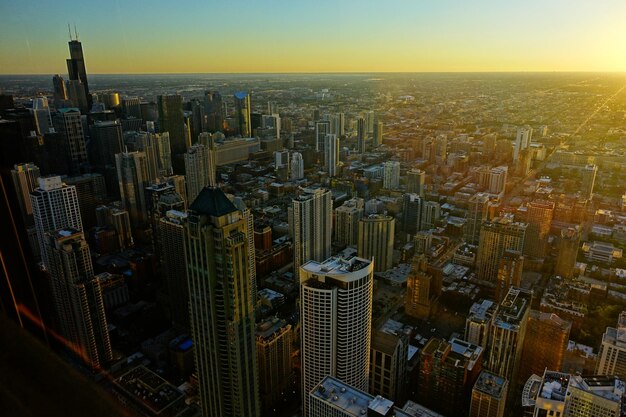
Altitude of Atlanta, GA: What It Means for Life in the City
Atlanta isn’t a mountain town, but it isn’t sea level either. The city’s altitude plays a quiet but important role in everything from its weather to running conditions and flight schedules. If you live in Atlanta, are planning a visit, or are just curious how “high” the city really is, understanding the elevation of Atlanta, Georgia can be surprisingly useful.
Atlanta’s Altitude in a Nutshell
Atlanta’s elevation isn’t the same everywhere, but it falls within a fairly narrow range.
Key altitude facts for Atlanta, GA:
| Location / Area | Approximate Elevation (feet above sea level) |
|---|---|
| General City of Atlanta | ~738 ft (average) |
| Downtown (near Five Points) | ~1,050 ft |
| Hartsfield–Jackson Atlanta Intl. Airport (ATL) | ~1,026 ft |
| Midtown (Peachtree corridor) | ~950–1,050 ft |
| Buckhead | ~900–1,100 ft |
| Higher residential ridges | Up to ~1,200 ft in parts of metro area |
When people talk about the “altitude of Atlanta,” they’re usually referring to this rough 900–1,100 foot range in the core of the city.
Why Atlanta’s Elevation Is Higher Than Many Expect
Atlanta is often grouped with other Southern cities, but in terms of altitude it sits on the Piedmont plateau, not the coastal plain.
- The city is located in the Piedmont region of Georgia, a gently rolling upland between the Appalachian Mountains and the flat coastal plains.
- This higher ground historically made Atlanta a practical railroad and transportation hub.
- The nickname “city in a forest” reflects both the elevation and the surrounding hills and tree cover.
Compared with coastal Georgia cities that sit near sea level, Atlanta is noticeably higher, though far lower than the mountain towns of North Georgia such as Ellijay or Blue Ridge.
How Altitude Affects Atlanta’s Weather
Atlanta’s altitude influences its climate in subtle but noticeable ways.
Slightly Cooler Than the Coastal South
Because of its elevation, Atlanta is usually:
- A bit cooler than cities at sea level at similar latitudes.
- Less prone to extreme coastal humidity, though summers are still hot and muggy.
On many summer days, people traveling from the coastal areas into Atlanta notice that even a few degrees of difference can feel significant, especially in the evenings.
Snow and Ice Potential
Atlanta still sits in a mild climate zone, but its altitude helps explain:
- Why the city occasionally sees light snow and ice in winter.
- Why temperatures can drop quickly during winter cold fronts, especially at night.
Higher spots around the metro—such as some hilltop neighborhoods—may see slightly more frost or earlier leaf color changes in fall compared with lower-lying surrounding areas.
Altitude, Air Quality, and “City in the Trees”
Atlanta’s combination of moderate altitude and heavy tree cover shapes its air and environment.
- The city’s elevation keeps it above the stagnant air that can collect closer to sea level in some areas.
- At the same time, being in a basin of rolling hills can occasionally trap pollution and pollen, leading to hazy days.
Spring in Atlanta is well-known for its strong pollen seasons. While this is more about vegetation than altitude, the way the city’s hills and elevation mix with regional weather patterns can affect how long pollen lingers in the air.
For air-quality and environmental information tied to elevation and topography, residents sometimes refer to regional agencies such as:
- Georgia Environmental Protection Division (EPD)
4244 International Parkway, Suite 120, Atlanta, GA 30354
Main office: (404) 363-7000
These agencies offer general air-quality guidance relevant to Atlanta’s terrain and elevation.
What Atlanta’s Altitude Means for Travelers and Flights
Flying Into or Out of ATL
Hartsfield–Jackson Atlanta International Airport (ATL) sits at roughly 1,000 feet above sea level. For travelers, this means:
- Aircraft performance is not as affected by altitude as it is at high-elevation airports in mountainous regions.
- Weather-related delays are more often tied to storms and traffic volume than elevation itself.
If you see altitude listed on aviation or travel documents for Atlanta, it will usually refer to:
- Field elevation of the airport (around 1,026 feet).
- Altitudes of flight patterns relative to this baseline.
Driving Into Atlanta from Lower or Higher Elevations
If you’re driving:
- From the Georgia coast (near sea level) up to Atlanta, you’ll steadily climb to around 1,000 feet.
- From North Georgia mountain areas, you may actually be driving downhill toward Atlanta, since mountain towns can sit between 1,500 and 3,000+ feet.
This gradual change is usually not dramatic enough for most people to notice physically, but it can come with shifts in temperature, wind, and cloud cover along the way.
Altitude and Outdoor Activities in Atlanta
For most day-to-day activities, Atlanta’s altitude is not high enough to cause typical “high-elevation” concerns, but it still matters in a few ways.
Running, Biking, and Hiking
Runners and cyclists in Atlanta typically experience:
- Moderate conditions compared with sea-level cities.
- Enough “hilliness” from rolling terrain to make routes challenging without actual mountain climbing.
Popular intown spots such as:
- The Atlanta BeltLine
- Piedmont Park
- Neighborhoods including Inman Park, Virginia-Highland, West Midtown, and Buckhead
all reflect the city’s elevation profile, with gently rolling ground and occasional steeper hills.
If you travel from Atlanta to significantly higher elevations—such as North Georgia mountain trails or out-of-state mountain destinations—you may notice:
- Thinner air
- Slower pace until you’re adjusted
Coming back down to Atlanta’s ~1,000 feet often feels easier in comparison.
Parks and Scenic Overlooks
Because of the city’s altitude and terrain, you’ll find:
- Nice skyline views from higher spots within Atlanta, such as certain points in Piedmont Park, Westside Park, or high-rise buildings in Midtown and Buckhead.
- A sense of being on a plateau, rather than surrounded by flat plains.
While Atlanta doesn’t have dramatic cliffs, the altitude gives just enough relief to create scenic vantage points over the city.
Comparing Atlanta’s Altitude with Other Georgia Cities
Understanding Atlanta’s elevation is easier when you compare it to other areas in the state:
- Savannah, GA: Near sea level
- Macon, GA: Roughly 300–450 ft
- Atlanta, GA: Around 900–1,100 ft in most central neighborhoods
- Dahlonega / North Georgia towns: Often 1,500–2,000+ ft
- Highest points in Georgia (e.g., Brasstown Bald): Over 4,700 ft
Atlanta sits in the middle range—high enough to have some variation, but nowhere near “high-altitude” territory.
Does Atlanta’s Altitude Affect Daily Life?
For most people, Atlanta’s elevation has subtle, everyday effects rather than dramatic ones.
Things You Might Notice
- Slight weather differences compared with lower-elevation Southern cities
- Rolling hills and noticeable inclines in many neighborhoods
- Occasional fog or low clouds settling into valleys around the metro area during cool mornings
Things You’re Unlikely to Notice
- Altitude-related breathing issues solely from being in Atlanta (unless you have other health considerations and are coming from an extremely low or high elevation)
- The kind of altitude sickness associated with very high elevations
- Major changes in cooking or baking times compared with sea-level recipes; Atlanta’s elevation is close enough to standard assumptions that most people use regular guidance without modification
How to Check the Exact Altitude of a Spot in Atlanta
If you’re curious about the specific elevation of your home, office, or a local landmark within Atlanta, there are a few general methods people use:
- Digital maps and mapping apps that show elevation when you tap and hold on a location.
- GPS devices that display altitude, especially those used for hiking, cycling, or running.
- Topographic maps covering Fulton County and surrounding metro counties.
While these elevations may differ by a few feet from one source to another, they’ll provide a good sense of whether your specific location is on a ridge, in a lower-lying area, or near the city’s average altitude.
The Bottom Line on the Altitude of Atlanta, GA
Atlanta, Georgia, sits at an elevation of roughly 900–1,100 feet above sea level across much of the city, with an average altitude around 738 feet often quoted in broad references.
This moderate altitude shapes Atlanta’s:
- Weather (slightly cooler than the coastal South, occasional winter mix)
- Landscapes (rolling hills, skyline views, “city in the forest” setting)
- Outdoor experiences (good training ground without high-altitude extremes)
Whether you live in Atlanta, are planning a trip, or are comparing cities, you can think of Atlanta as a mid-elevation Southern city on a plateau—high enough to matter for the landscape and climate, but not so high that it creates the challenges found in true mountain environments.