
Atlanta, GA Flooding: What Residents and Visitors Need to Know
Flooding in Atlanta, Georgia is more common than many people realize. Between sudden thunderstorms, remnants of tropical systems, and older drainage systems in some neighborhoods, even a “normal” rainy day can turn into a flooding problem in parts of the city.
If you live in Atlanta, are planning to move here, or are visiting, understanding how Atlanta flooding works—and what to do about it—can help you stay safe, protect your property, and navigate the city more confidently.
Why Atlanta Is Prone to Flooding
Atlanta isn’t on the coast, but it still sees regular flooding. A few key factors make flooding a recurring issue:
Heavy downpours and storms
Summer thunderstorms and slow-moving weather systems can drop a lot of rain in a short time.Hilly terrain with low-lying pockets
Water naturally flows downhill and pools in low-lying neighborhoods, underpasses, and creek valleys.Creeks and small rivers running through the city
Areas near Proctor Creek, Peachtree Creek, and South River can experience flooding when water levels rise quickly.Urban development and pavement
Large amounts of pavement, rooftops, and parking lots mean less rainwater soaks into the ground and more runs straight into storm drains, which can quickly get overwhelmed.
Common Types of Flooding in Atlanta
Atlanta sees several types of flooding. Knowing which ones affect your area helps you plan and stay alert.
1. Flash Flooding
Flash floods are sudden, fast-moving floods triggered by intense rainfall over a short period.
In Atlanta, flash flooding often happens:
- Along creek corridors (Peachtree Creek, Proctor Creek, Nancy Creek, Intrenchment Creek)
- In low underpasses and viaducts (including along major roads and near rail lines)
- In older neighborhoods with aging stormwater systems
- Around construction zones where soil and drainage are disrupted
Flash flooding can turn a passable street into deep water in minutes, especially near:
- Parts of Midtown and Downtown with lots of concrete and limited green space
- Low areas near I-75/85, I-20, and some connector ramps
- Certain areas along the Atlanta BeltLine adjacent to creek valleys
2. River and Creek Flooding
While Atlanta doesn’t sit directly on a major river downtown, nearby waterways can overflow after prolonged rain:
- Chattahoochee River (impacts more the northwest metro, but relevant to some Atlanta neighborhoods)
- Peachtree Creek basin (impacting parts of Buckhead, Northside, and nearby communities)
- South River and tributaries to the southeast
These floods may develop more slowly than flash floods but can last longer and affect homes, apartments, and roads close to the water.
3. Urban/Street Flooding
Urban flooding happens when:
- Storm drains and inlets clog with leaves, trash, or debris
- Stormwater systems can’t keep up with intense rainfall
- Streets or parking lots are built lower than surrounding areas
This is common in:
- Dense parts of Downtown, Midtown, and Buckhead
- Older residential areas where drainage hasn’t been upgraded
- Commercial corridors with large parking lots (shopping centers, big box areas)
Even if you don’t live near a creek, you can experience yard, basement, and street flooding because of drainage issues.
Atlanta Neighborhoods and Areas That May Be More Vulnerable
Flooding risk can vary block by block, but some patterns are widely recognized:
Creekside neighborhoods
Areas along Peachtree Creek, Proctor Creek, Nancy Creek, Utoy Creek, and their tributaries may see flooding when water levels rise.Underpasses and low-lying roads
Certain underpasses around Downtown, Midtown, and industrial areas are known to collect water quickly during storms.Older stormwater systems
Parts of historic neighborhoods can have undersized or aging pipes and inlets, making them more vulnerable during heavy rain.
For a specific property, it’s important to:
- Check if it lies in or near a FEMA-designated flood zone
- Ask about past flooding history from landlords, sellers, or neighbors
- Look for signs of drainage problems (standing water, erosion, mildew in basements)
Staying Safe During Flooding in Atlanta
Watch for Weather Alerts
Atlanta is covered by the National Weather Service (NWS) Peachtree City office, which issues:
- Flash Flood Watch – Conditions are favorable for flash flooding.
- Flash Flood Warning – Flooding is happening or about to happen soon.
- Flood Advisory – Minor flooding or ponding is occurring.
You can receive alerts through:
- Wireless emergency alerts on most smartphones
- Local TV and radio stations
- Weather apps and NOAA Weather Radio
When you see a Flood Warning in the Atlanta area, take it seriously—conditions can deteriorate quickly.
Driving During Floods: Atlanta-Specific Tips
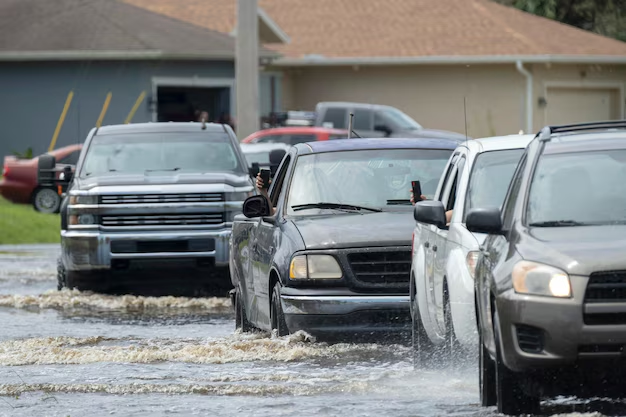
Many flooding incidents in Atlanta involve vehicles. To stay safe:
- Never drive through flooded roads. Even a few inches of water can hide deep potholes, open manholes, or strong currents.
- Avoid underpasses and viaducts if heavy rain has been falling. These often flood first.
- Turn around, don’t drown. It’s safer to take a longer route than to risk your car—and your life.
- Be especially cautious:
- Near interchanges and ramps on I-20, I-75, I-85, and the Downtown Connector
- In parking garages and lots that sit below street level
- On surface streets that dip under rail lines or roadways
If flooding strands your vehicle and it’s safe to do so, move to higher ground and call for help.
Home and Personal Safety
During flooding in your Atlanta neighborhood:
- Move to higher floors if water starts entering the building.
- Avoid walking through floodwater; it can conceal debris, open drains, or contamination.
- Do not enter flooded basements with standing water if electrical systems are involved—this can pose an electrocution risk.
- If instructed by local authorities to evacuate, leave quickly but safely and follow suggested routes.
What To Do After a Flood in Atlanta
Once the water recedes, there are important steps to take:
1. Document Damage
- Take photos and videos of damage inside and outside your property.
- Note the water line on walls, furniture, and structures.
- Keep a list of damaged items and approximate values for insurance.
2. Contact Your Insurance
- Call your homeowner’s, renter’s, or auto insurance provider.
- Ask if you have flood coverage; many standard policies do not include it.
- If your home is in a flood-prone area, consider asking about separate flood insurance for the future.
3. Clean Up Safely
- Wear gloves, boots, and masks when cleaning.
- Discard items that cannot be thoroughly dried and cleaned.
- Be careful with electrical systems and gas appliances—when in doubt, have a qualified professional check before use.
Who Handles Flooding-Related Issues in Atlanta?
Multiple government agencies and departments play a role in managing flooding, drainage, and emergency response in Atlanta.
City of Atlanta – Department of Watershed Management
The Department of Watershed Management manages much of the city’s stormwater and sewer infrastructure.
You can contact the City of Atlanta for:
- Reporting clogged storm drains, sinkholes, or drainage problems
- Questions about stormwater charges and drainage on your property
- Information on local flooding and infrastructure projects
Typical main office location:
City of Atlanta Department of Watershed Management
72 Marietta St. NW
Atlanta, GA 30303
Customer service (commonly listed): 311 (inside city limits) or the city’s main customer service line.
Atlanta 311
For non-emergency issues (like blocked drains, standing water in streets, or missing manhole covers), Atlanta residents can typically dial 311 to reach the city’s customer service system.
You can use 311 to:
- Report street flooding or clogged inlets
- Ask about public works or stormwater-related questions
- Request inspections of city-managed drainage
Emergency Situations: 911
For urgent, life-threatening emergencies during a flood—such as:
- People trapped in vehicles or buildings
- Fast-moving water putting lives at risk
Call 911 immediately and provide as much detail as possible, including landmarks and cross streets.
Flood Maps, Risk, and Planning in Atlanta
Understanding your specific risk is particularly important if you’re buying, renting, or developing property in Atlanta.
FEMA Flood Maps
Flood zones are typically determined by the Federal Emergency Management Agency (FEMA). These maps show:
- Areas with a higher chance of flooding in a given year
- Special Flood Hazard Areas (SFHAs) where flood insurance may be strongly recommended or sometimes required by lenders
While FEMA maps are a starting point, they may not capture every local drainage or flash flooding problem. In Atlanta, localized street and yard flooding can happen even outside mapped floodplains.
Local Stormwater Considerations
Atlanta’s mix of older infrastructure, new development, and changing weather patterns means:
- Some neighborhoods may experience flooding even if maps don’t show high risk.
- Basement apartments, low-lying lots, and properties near creeks may be especially vulnerable.
- Homeowners might benefit from:
- Installing or maintaining French drains, gutters, and downspout extensions
- Regrading yards to improve water flow away from homes
- Using rain gardens or permeable surfaces to help absorb water
If you’re unsure about a property’s flood behavior, consider:
- Asking about prior flood events directly
- Visiting during or right after a heavy rain (if possible) to observe drainage
Flood Preparedness Tips for Atlanta Residents
Here are practical steps tailored to Atlanta’s conditions:
Before a Storm or Rainy Season
- 📍 Know your area’s risk
- Check if your home is near a creek, in a low spot, or near an area known for street flooding.
- 📂 Protect important documents
- Store key documents in waterproof containers and keep digital copies.
- 🔦 Prepare an emergency kit with:
- Flashlights, batteries, first aid items
- Basic food and water supplies
- Phone chargers and a battery pack
- 🚗 Plan alternate routes
- Familiarize yourself with higher-ground routes to avoid low underpasses and creek crossings.
During Heavy Rain
- Stay tuned to weather alerts and local news.
- Move vehicles to higher ground if your usual parking area floods.
- Keep children and pets away from rising creeks, drainage ditches, and storm drains.
- Avoid walking along flooded sections of the BeltLine, trails, or park paths near waterways.
If You Rent in Atlanta
- Ask your landlord:
- Whether the property has ever flooded
- What drainage improvements have been made
- Consider renter’s insurance, and ask specifically about flood coverage.
- Ensure you know evacuation routes and the safest exits from the building.
Visiting Atlanta During Rainy or Stormy Weather
If you’re just in town for business or vacation, flooding can still affect your plans:
- Allow extra travel time during thunderstorms, especially during rush hour.
- Be cautious in parking decks or lots that are below street level, especially near downtown.
- If walking or using public transit:
- Watch for water flowing across sidewalks and into station entrances.
- Use marked crosswalks and avoid cutting through flooded underpasses or low walkways.
- If severe weather is expected, your hotel’s front desk can often share local safety tips and updates.
Key Contacts and Resources to Keep Handy in Atlanta
Here is a simple reference for major flood-related needs in Atlanta:
| Need / Situation | Who To Contact / What To Use |
|---|---|
| Life-threatening flooding emergency | Call 911 |
| Street flooding, clogged drains, non-urgent | Atlanta 311 (from within the city) |
| City stormwater / drainage information | Atlanta Department of Watershed Management |
| Weather alerts and forecasts | National Weather Service (Atlanta / Peachtree City office) via apps, radio, or TV |
| Insurance questions about flood coverage | Your home, renters, or auto insurance provider |
Keep these numbers and resources saved in your phone, especially during stormy seasons.
Living in or visiting Atlanta, GA means experiencing plenty of rain—and occasionally, disruptive flooding. By understanding how and where flooding happens in the city, staying alert to weather changes, and knowing how to respond, you can navigate Atlanta’s flood risks more safely and confidently.