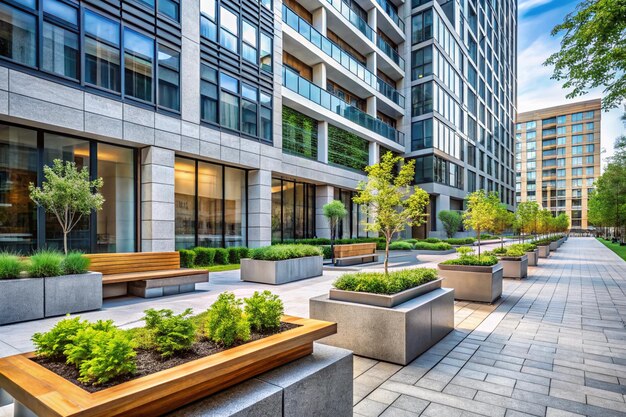
Inman Quarter is one of the most recognizable mixed‑use destinations in Inman Park, right along the Atlanta BeltLine Eastside Trail. If you’ve searched for “Inman Quarter Atlanta GA,” you’re probably trying to figure out what it is, where it is, and whether it’s worth your time—whether you live in Atlanta, are visiting, or are considering moving nearby.
This guide breaks down Inman Quarter from a local Atlanta perspective: how to get there, what’s around it, what it’s like to live there, and how it fits into the broader Inman Park and BeltLine experience.
Inman Quarter is a mixed‑use development in the heart of Inman Park, combining:
It’s designed as a walkable urban village—dense, social, and convenient—right in one of Atlanta’s most historic and in‑demand intown neighborhoods.
Inman Quarter is located in Inman Park, Atlanta, GA 30307, just off:
This area sits between Old Fourth Ward, Little Five Points, and Cabbagetown/Reynoldstown, making it a central hub for intown living and nightlife.
You don’t have to live there to enjoy Inman Quarter. For many Atlanta residents and visitors, it’s primarily a dining and hangout destination.
The ground floor of Inman Quarter and the surrounding blocks are packed with restaurants, cafes, dessert spots, and bars. The specific tenants change over time, but you can typically expect:
Because it’s right in Inman Park, you’re also steps away from additional restaurants and bars beyond Inman Quarter itself, giving the area a dense concentration of food and drink options.
You’ll usually find a mix of:
Inman Quarter doesn’t feel like a traditional mall. Instead, it’s integrated into the neighborhood—small storefronts, sidewalk-facing entries, and a layout that encourages wandering around the surrounding streets.
If you’re considering Inman Quarter apartments as a place to live in Atlanta, here are the main points locals usually weigh.
Living in Inman Quarter typically appeals to people who want:
You’ll be in a lively part of town. That’s a plus if you enjoy energy and people‑watching, but it also means you should expect:
While specific offerings vary by unit and over time, Inman Quarter generally leans toward:
If you’re comparing it to other BeltLine‑adjacent properties like those in Old Fourth Ward or Midtown, you’ll likely find a similar amenity-focused, urban apartment experience, but in a more historic, neighborhood‑style setting.
Potential advantages:
Potential drawbacks:
If you’re someone who values quiet, low‑traffic streets and large yards, Inman Quarter is the opposite of that. If you want to maximize walkable, intown Atlanta living, it lines up well.
To understand Inman Quarter, it helps to understand its context inside Atlanta.
Inman Park is one of Atlanta’s oldest planned neighborhoods, known for:
Inman Quarter adds a modern, dense, mixed‑use core to an otherwise historic, residential area. Many locals see it as the neighborhood’s commercial heart, alongside the nearby Inman Park/Highland and Krog Street Market areas.
One of Inman Quarter’s biggest draws is its closeness to the Atlanta BeltLine Eastside Trail, which runs through:
From Inman Quarter you can:
For many Atlantans, this BeltLine access is a major factor in choosing to live or spend time in this area.
Because Atlanta traffic and parking can shape your experience, it helps to plan ahead.
Inman Quarter typically has:
Things Atlanta drivers often keep in mind:
While Inman Quarter is not directly on a MARTA rail station, you have options:
Inman Park/Reynoldstown MARTA Station (Blue/Green Line):
Bus routes:
Because of the BeltLine and relatively bike‑friendly streets, many people also use:
In the context of Atlanta living and visiting, Inman Quarter tends to be a good fit for:
It may be less ideal if you’re seeking:
If you’re trying to understand Inman Quarter in the broader Atlanta landscape, this simple comparison can help:
| Area / Property Type | Overall Vibe | Best For |
|---|---|---|
| Inman Quarter (Inman Park) | Historic neighborhood meets modern mixed‑use; lively but neighborhood‑scaled | Walkable living, dining, BeltLine access in a more “community” feel |
| Old Fourth Ward / Ponce City Market area | Trendy, heavily visited, more commercial | People who want to be in the busiest BeltLine zone with large mixed‑use hubs |
| Midtown high‑rises | Tall, dense, business and arts district | Professionals wanting rail access and a more urban skyline feel |
| Suburban areas (e.g., Sandy Springs, Decatur) | Quieter, more residential, more driving | Those prioritizing space, quieter nights, and different school or commute patterns |
This table isn’t exhaustive, but it shows where Inman Quarter fits in the spectrum of Atlanta intown options.
Whether you live in Atlanta or are just in town for a few days, you can make the most of Inman Quarter with a few simple strategies:
Time your visit:
Plan your parking or transit:
Explore beyond the complex:
If you’re apartment hunting:
Inman Quarter is one of the clearest examples of what intown, BeltLine‑oriented living looks like in Atlanta: dense, walkable, restaurant‑rich, and social. Whether you’re thinking about moving there, planning a night out, or just trying to understand how this part of Atlanta works, it’s a key spot to know in the Inman Park and BeltLine Eastside area.