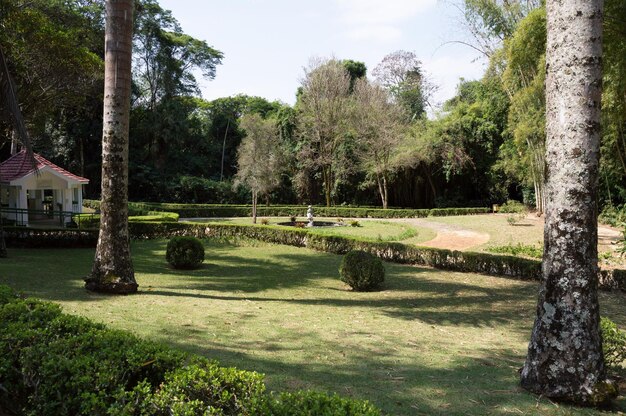
Landscaping in Atlanta, GA is different from landscaping in many other parts of the country. The city’s hot, humid summers, mild winters, heavy rain at times, dense red clay soil, and a mix of sun and shade under mature trees all shape what works—and what doesn’t—in an Atlanta yard.
Whether you’re a homeowner in Buckhead, a renter in Midtown with a small patio, or new to a house in Decatur or West End, this guide walks through what you need to know about landscaping in Atlanta, Georgia, from plants and design ideas to local rules and resources.
Atlanta sits in the humid subtropical zone. For landscaping, that means:
Because of this, Atlanta landscaping tends to focus on:
Most of metro Atlanta sits on dense red clay. It holds water, compacts easily, and can be tough for roots.
Typical red clay issues:
Common solutions:
If you’re unsure what you’re dealing with, you can contact the University of Georgia Cooperative Extension – Fulton County at (404) 613-7670 (or your county’s extension office) for soil testing kits and guidance.
There’s no single “right” way to landscape in Atlanta, but some styles fit the climate, water limits, and neighborhood feel better than others.
Features often seen in older intown neighborhoods:
Best for:
Homeowners wanting a classic, established look that fits well in areas like Virginia-Highland, Druid Hills, and parts of Buckhead.
Using plants that evolved in Georgia’s Piedmont region can make landscaping lower maintenance and better for wildlife.
Common native choices:
Benefits:
The Atlanta Botanical Garden and local organizations like Trees Atlanta offer plant lists and examples of native plantings throughout the city.
With Atlanta’s occasional droughts and recurring water-use restrictions, many homeowners look for water-wise landscaping.
Typical elements:
Good plant choices (non-invasive, commonly used in Atlanta):
In areas like Midtown or Old Fourth Ward, yards can be compact or mostly paved. Landscaping can still be impactful:
Key priority: Make every square foot multi-functional—for example, a small seating area framed by evergreen shrubs and a simple gravel or paver path.
Picking the right grass for Atlanta’s climate and your yard’s sun exposure is crucial. Here’s a simplified comparison:
| Grass Type | Best For | Pros | Cons |
|---|---|---|---|
| Bermuda | Full-sun yards | Very durable, good for kids/pets | Goes brown in winter, hates shade |
| Zoysia | Sun to light shade | Dense, soft, attractive | Slower to establish, can be expensive |
| Centipede | Low-maintenance lawns | Minimal fertilizer and mowing | Not for heavy traffic or deep shade |
| Tall fescue | Shady Atlanta yards | Green most of winter, good in shade | Struggles in peak summer heat, more water |
In many Atlanta neighborhoods:
Before you commit, check how much of your yard gets at least 6 hours of sun. That will guide your best option.
Strong performers in Atlanta’s climate:
Atlanta is proud of its urban tree canopy. When removing or planting trees, be aware that the City of Atlanta Arborist Division (often reached via the city’s general information line at (404) 330-6000) has tree protection ordinances, especially for large or “significant” trees.
Popular shrubs around Atlanta homes:
In older neighborhoods with lots of shade, azaleas and camellias are almost a standard feature.
Long-lasting color for Atlanta beds:
Many homeowners switch out annuals twice a year (spring/summer and fall/winter) to keep entryways and front beds colorful.
Many Atlanta neighborhoods are hilly, and heavy rains can cause runoff and erosion.
Common solutions:
If water is pooling near your foundation or flowing toward your home, it’s important to address grading and drainage before investing heavily in planting. In some cases, you may need professional assessment.
Atlanta’s water use is sometimes restricted during periods of drought. The Georgia Environmental Protection Division (EPD) and the City of Atlanta Department of Watershed Management typically set guidelines.
Common patterns (may vary by year and drought level):
Smart watering tips for Atlanta:
You can contact the City of Atlanta Department of Watershed Management (main customer service line often listed around (404) 546-0311) to confirm current watering guidelines in city limits. If you live in another part of metro Atlanta, check your local county water department.
Depending on where you live in or around Atlanta, there can be rules and permits affecting landscaping.
Key points to consider:
Tree removal:
HOA rules:
Right-of-way areas:
Before major changes—like removing big trees, adding a retaining wall, or altering drainage—verify whether a permit or professional review is needed.
Tasks many Atlanta homeowners successfully handle themselves:
DIY is usually enough for:
You may want to consult a landscape designer, architect, or contractor if:
Professionals familiar with Atlanta’s codes, soil, and plants can often prevent costly mistakes, especially on sloped lots or older properties with large trees.
A general seasonal guide to help you plan:
A few reliable, non-commercial places to turn for more localized help:
UGA Cooperative Extension – Fulton County
City of Atlanta Department of Parks and Recreation
City of Atlanta – Department of City Planning, Arborist Division
Atlanta Botanical Garden (Piedmont Park area)
Trees Atlanta
A well-planned Atlanta landscape balances beauty, practicality, and local conditions—heat, humidity, clay soil, and all. By choosing plants suited to metro Atlanta, designing with slopes and drainage in mind, and understanding local rules and resources, you can create an outdoor space that looks good and works well through every Georgia season.