
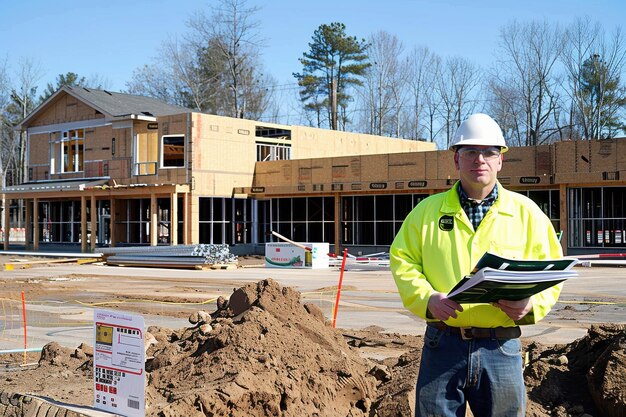
Home Construction in Atlanta: What to Know Before You Build
Building a home in Atlanta, Georgia can be exciting—but it’s also complex. Between zoning rules, neighborhood expectations, and the nuts and bolts of construction, it helps to understand how home construction in Atlanta really works before you start.
This guide walks through the key steps, local requirements, and practical decisions you’ll face if you’re planning new construction or a major rebuild in the Atlanta area.
Getting Started: Is Building in Atlanta Right for You?
Before you dive into floor plans and finishes, think about how home construction fits into Atlanta’s housing market and lifestyle:
Tear-down and rebuild vs. building on land
In many intown neighborhoods (like Virginia-Highland, Morningside, Grant Park, Kirkwood, and West Midtown), new homes often come from tear-downs of older houses. In farther-out areas or parts of Southwest Atlanta or DeKalb/Fulton suburbs, you may still find vacant lots or larger parcels.Infill construction is common
Much of Atlanta’s new home construction inside the city limits is infill—adding a new house between existing homes. That means fitting into existing neighborhood character and working within tight lots and steep grades.Topography matters
Atlanta is hilly. Basement homes, drive-under garages, and retaining walls are common. Your lot’s slope will affect foundation type, driveway design, drainage, and cost.
If you’re still deciding whether to build, consider meeting with a local architect or builder for a site feasibility review before you buy land or commit to a tear-down.
Key Local Agencies and Contacts for Home Construction
Most home construction in the City of Atlanta involves these public offices:
City of Atlanta – Office of Buildings (Permits & Inspections)
55 Trinity Avenue SW, Atlanta, GA 30303
Main line (City Hall): (404) 330-6000
Handles building permits, inspections, and plan review within city limits.Department of City Planning – Zoning & Land Use
55 Trinity Avenue SW, Atlanta, GA 30303
Provides zoning information, setbacks, and use regulations.Fulton County or DeKalb County offices
If your Atlanta address is outside the City of Atlanta corporate limits (for example, parts of Sandy Springs, Brookhaven, or unincorporated DeKalb), permitting may be handled by the county or another city government instead.
When you’re not sure whether your property is in the City of Atlanta or another jurisdiction, check your property tax bill or call the City of Atlanta or your county tax assessor.
Zoning and Land Use: Can You Build What You Want?
Before you design anything, verify zoning. In Atlanta, zoning rules affect:
- What type of home you can build (single-family vs. duplex vs. multi-unit)
- Height limits
- Minimum lot size and width
- Front, side, and rear setbacks
- Whether you can build accessory dwelling units (ADUs) or carriage houses
- Parking requirements
Common Residential Zoning in Atlanta
You may see designations like:
- R-1, R-2, R-3, R-4, R-5 – Single-family and two-family residential districts with varying lot sizes and densities.
- PD-H or PD-MU – Planned development or mixed-use areas with customized rules.
- Special districts – Such as the BeltLine Overlay, Historic Districts (e.g., Grant Park Historic District), or Neighborhood Commercial overlays.
Historic Districts and Landmark Districts (like Inman Park, Grant Park, West End) often have design review requirements. This means changes to the exterior appearance, height, and sometimes even materials may be reviewed by the Urban Design Commission.
📌 Tip: Before spending money on detailed plans, ask the Office of Buildings or City Planning for zoning information on your specific parcel and whether any overlays or historic protections apply.
Permits You’ll Typically Need for Home Construction in Atlanta
For a new single-family home or a major remodel/addition in Atlanta, expect to encounter several permits and approvals:
1. Building Permit
The main permit for your structure, usually requiring:
- Architectural plans
- Structural plans (foundation, framing, beams)
- Site plan (showing setbacks, driveway, grading, and drainage)
- Mechanical, electrical, and plumbing layouts (often separate subcontractor permits)
2. Trade Permits
Licensed contractors typically pull separate permits for:
- Electrical
- Plumbing
- HVAC / Mechanical
- Low-voltage systems (security, networking) in some cases
3. Land Disturbance / Site Development Permits
If your project involves significant grading, retaining walls, or tree removal, you may need:
- Land Disturbance Permit (LDP) for major earthwork
- Tree removal or protection approvals, especially if protected trees are present
- Stormwater management review, particularly in areas with drainage concerns or near creeks
4. Special Approvals
You may need extra sign-offs if:
- You’re in a Historic District – design approval
- You’re close to a stream, floodplain, or watershed – environmental review
- Your project challenges typical zoning (e.g., variance for a setback or height)
Contractors or design professionals familiar with Atlanta can usually guide you through this process, but it’s important to understand that no major work should begin before required permits are issued.
Typical Home Construction Timeline in Atlanta
Actual timelines vary widely, but a rough framework for a new home in Atlanta might look like this:
| Phase | Approximate Duration (Typical Range) | Notes Specific to Atlanta |
|---|---|---|
| Lot & feasibility | 2–8 weeks | Check zoning, trees, utilities, and slope. |
| Design & planning | 2–4+ months | Longer if in a Historic or overlay district. |
| Permit review & approvals | 1–3+ months | Timing depends on complexity and city workload. |
| Site prep & foundation | 1–2 months | Weather and soil conditions matter; Atlanta clay can affect foundations. |
| Framing to “dry-in” (shell) | 1–3 months | Rainy seasons may slow progress. |
| Mechanical, electrical, plumbing | 1–2 months | Multiple inspections required. |
| Interior finishes & exterior work | 2–4 months | Includes drywall, trim, painting, driveway, landscaping. |
| Final inspections & punch list | 2–6 weeks | Need final approvals for power and occupancy. |
These ranges assume relatively smooth permitting and construction. Projects in historic areas, steep lots, or complex designs may take longer.
Choosing a Builder or Contractor in Atlanta
Selecting the right home builder in Atlanta is crucial. Consider:
Licensing and Insurance
In Georgia, home builders for larger projects generally need to be licensed by the State Licensing Board for Residential and General Contractors. Ask for:
- Georgia contractor license number
- General liability insurance
- Workers’ compensation coverage
You can verify licensing status through state resources or by asking the builder for documentation.
Local Experience
Builders familiar with Atlanta-specific factors can save you time and stress:
- Working with the City of Atlanta Office of Buildings
- Navigating historic and conservation districts
- Managing tree protection and stormwater rules
- Coordinating with Atlanta utility providers (power, gas, water, sewer)
References and Recent Work
Ask to see:
- Recent projects in similar Atlanta neighborhoods (e.g., infill in East Atlanta vs. new builds in Buckhead)
- A few current job sites to assess cleanliness, safety, and build quality
- Communication practices – how often you’ll receive updates and who your main contact is
Design Considerations for Atlanta Homes
Building in Atlanta means designing for heat, humidity, heavy rain, and occasional cold snaps, plus neighborhood aesthetics.
Climate and Energy Efficiency
To keep your home comfortable and efficient:
Insulation and air sealing
Aim for above-code insulation, especially in attic spaces and exterior walls.HVAC sizing and zoning
Multi-story homes in Atlanta often benefit from zoned HVAC systems or separate systems for upstairs and downstairs.Shading and orientation
Thoughtful placement of windows, overhangs, and porches can reduce summer heat gain.Materials that can handle humidity
Moisture-resistant materials, proper ventilation, and careful detailing reduce mold and rot risks.
Architectural Style and Neighborhood Fit
Different Atlanta areas lean toward different looks:
- Traditional brick or craftsman styles in places like Virginia-Highland, Morningside, and Decatur
- Historic Victorian and Queen Anne influences in Inman Park and Grant Park
- Modern and contemporary infill in parts of West Midtown, Old Fourth Ward, and Reynoldstown
- Mid-century ranches throughout parts of North Druid Hills, Chamblee, and Southwest Atlanta
Even if you’re not in a historic district, designing a home that respects neighborhood scale, massing, and setbacks generally helps with resale value and neighbor relations.
Site Challenges: Trees, Slope, and Drainage
Atlanta is known for its tree canopy and rolling terrain. Both can affect your construction process and costs.
Trees and Tree Protection
The City of Atlanta often requires permits to remove larger trees, even on private property. Expect:
- Tree surveys during design
- Tree protection fencing during construction
- Possible replanting or mitigation fees if significant trees are removed
Working with an arborist familiar with Atlanta regulations can be helpful for tricky sites.
Grading, Retaining Walls, and Drainage
Steep or uneven lots may need:
- Retaining walls (which may also require engineering and permits)
- Engineered drainage plans to direct water away from the house and neighboring properties
- Careful driveway design (especially drive-under garages common on intown hillsides)
In some parts of Atlanta, localized flooding or overloaded storm sewers can be an issue. A civil engineer or experienced site designer can help manage these risks.
Utilities and Services: Power, Water, and Sewer
For a new home in Atlanta, your builder typically coordinates with:
- Atlanta Department of Watershed Management – City water and sewer connections (where available)
- Georgia Power or local electric utilities – Power service and meter installation
- Natural gas providers – Gas lines for heating, cooking, or water heating
If you’re building in an area without city sewer (more common at the edges of metro Atlanta than inside city limits), you may need a septic system, which requires:
- Soil testing
- Health department approvals
- Specific design and installation standards
Early in the design phase, confirm what utilities are available at your lot line and whether any upgrades or extensions are needed.
Budgeting for Home Construction in Atlanta
Construction costs in Atlanta can vary widely by:
- Neighborhood (e.g., a tight infill lot in Buckhead vs. a more open site in South Atlanta)
- Design complexity (simple box vs. complex rooflines, high-end finishes)
- Site conditions (steep slopes, rock, poor soil, many trees to remove)
When budgeting, remember to account for:
- Land cost or tear-down purchase
- Demolition, if replacing an existing structure
- Permits, impact fees, and professional services (architects, engineers, surveyors)
- Landscaping, driveway, fencing, and exterior hardscapes
- Contingency (many owners keep a buffer for unexpected issues, especially on intown lots with unknown conditions)
Staying in close contact with your builder and design team about cost implications of design choices can help keep your project realistic.
Inspections and Approvals During Construction
Throughout the build, the City of Atlanta or relevant jurisdiction will conduct inspections to verify code compliance. Common inspection milestones include:
- Footing and foundation
- Framing and structural elements
- Rough-in for electrical, plumbing, and HVAC
- Insulation and energy-related checks
- Final inspections for all trades and overall building safety
You’ll typically need a Certificate of Occupancy (CO) or similar final approval before moving in. Your general contractor usually coordinates these inspections and corrects any issues that arise.
Special Considerations for Historic and Intown Neighborhoods
If you’re building or rebuilding in one of Atlanta’s historic or conservation districts, factor in:
- Additional design guidelines for façades, rooflines, windows, and porches
- Possible requirements to retain or replicate certain historic features
- More detailed review processes before permits are issued
Areas such as Inman Park, Grant Park, Ansley Park, West End, and Poncey-Highland are well-known for stronger historic oversight. Communicating early with the Department of City Planning and, when applicable, the Urban Design Commission can prevent costly redesigns.
Practical Next Steps for Starting a Home Build in Atlanta
If you’re ready to move forward with home construction in Atlanta, a simple sequence might be:
Confirm your property’s jurisdiction and zoning.
Call or visit City of Atlanta Office of Buildings or your local city/county planning office with your address or parcel ID.Talk to at least one architect or design-build firm with Atlanta experience.
Discuss feasibility, budget range, and any obvious zoning or site limitations.Request a preliminary site evaluation.
Look at slope, trees, access, utility locations, and potential drainage issues before finalizing your purchase or design.Outline your must-haves vs. nice-to-haves.
This helps keep the design practical for your budget and site constraints.Ask potential builders about their permit process in Atlanta.
A builder who can explain local steps clearly is often better prepared to handle them efficiently.
By understanding how home construction in Atlanta is shaped by local zoning, climate, terrain, and city processes, you’ll be better equipped to make smart decisions and keep your project on track from concept to move-in.