
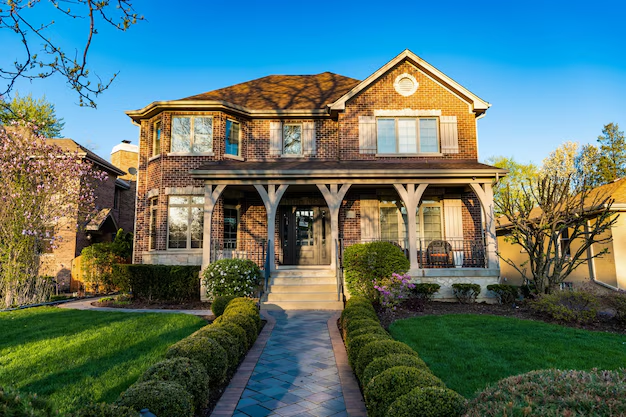
Luxury Homes in Atlanta: Neighborhoods, Styles, Prices, and How to Navigate the Market
Atlanta’s luxury home market is as diverse as the city itself. From glass-walled high-rises in Buckhead to historic estates in Druid Hills and modern new builds along the BeltLine, “luxury” in Atlanta can look very different depending on where you’re searching and how you live.
This guide breaks down what “luxury homes Atlanta” usually means, which neighborhoods to know, typical price ranges, lifestyle differences, and how to shop (or sell) effectively in the local high-end market.
What Counts as a “Luxury Home” in Atlanta?
There’s no single, official definition, but in Atlanta, a home is often considered luxury when it stands out in at least a few of these ways:
- Price point: Usually in the top 10–15% of the local market. In many intown neighborhoods, that often starts in the seven figures, though in some outer suburbs it may be lower.
- Location: Prime areas like Buckhead, Ansley Park, Virginia-Highland, Midtown, Sandy Springs, and parts of Brookhaven and Dunwoody.
- Size and layout: Larger square footage, custom floor plans, expansive owner suites, and multiple entertainment spaces.
- Finishes and features: High-end appliances, designer kitchens, spa-style bathrooms, smart-home tech, superior millwork, and outdoor living spaces.
- Privacy and security: Gated entries, controlled access, or buildings with concierge and security staff.
- Amenities: Pools, wine cellars, home theaters, gyms, roof decks, or access to luxury building amenities.
In Atlanta, luxury can mean either vertical (condo/penthouse) or horizontal (estate/single-family). The question is less “What does it cost?” and more “How rare and desirable is this in its location?”
Key Atlanta Neighborhoods for Luxury Homes
Buckhead: Classic Luxury and Estate Living
Buckhead is often the first place people think of when they hear “luxury homes in Atlanta.” It blends upscale shopping and dining with quiet, tree-lined residential streets.
Well-known luxury pockets in Buckhead include:
- Tuxedo Park – Large estates, many on multi-acre lots, with some of Atlanta’s most prestigious addresses.
- Peachtree Heights, Haynes Manor, Argonne Forest – Charming historic homes and renovated luxury properties near Peachtree Road.
- Chastain Park area – Luxury homes with more of a neighborhood feel and access to Chastain Park’s trails, amphitheater, and golf course.
- Buckhead Village / Peachtree Road corridor – High-end condos and penthouses close to dining, offices, and retail.
Buckhead is ideal if you want estate-scale properties, top private schools nearby, and easy access to major roads like GA-400 and I-75.
Midtown & Intown: Luxe Condos and Walkable Living
If you prefer a walkable, urban lifestyle, Midtown and nearby intown neighborhoods offer luxury in a different form:
- Midtown – Luxury condos and penthouses in high-rise buildings with skyline and Piedmont Park views. Expect 24/7 concierge, pools, gyms, and club rooms.
- Ansley Park – Historic luxury homes on curved, park-like streets near the Atlanta Botanical Garden and Atlanta BeltLine Eastside Trail.
- Virginia-Highland & Morningside – Renovated historic homes and new-build luxury properties close to cafés, boutiques, and restaurants.
- Old Fourth Ward & Inman Park – Modern luxury townhomes and single-family homes near the BeltLine and Ponce City Market.
This area suits buyers who want culture, dining, and parks at their doorstep more than sprawling acreage.
Sandy Springs & North Fulton: Space, Privacy, and Top Schools
Just north of the city line, Sandy Springs and parts of North Fulton offer large homes, more land, and a suburban-luxury feel while still being relatively close to Atlanta’s core.
Key areas include:
- Sandy Springs – Gated communities, custom-built estates, and riverfront homes near the Chattahoochee River National Recreation Area.
- Dunwoody & parts of Brookhaven – Upscale subdivisions with large single-family homes and convenient access to Perimeter Center employment hubs.
- Alpharetta / Johns Creek (slightly farther out) – Country club communities, golf-course homes, and newer large houses.
Many buyers choose these areas for larger lots, newer construction, and access to highly regarded public and private schools.
Historic Districts & Unique Luxury Pockets
Atlanta also has smaller pockets of luxury and character:
- Druid Hills – Stately historic homes near Emory University and Fernbank Museum, with lush landscaping and classic architecture.
- Brookwood Hills – A small, sought-after intown neighborhood with a private neighborhood pool and tennis club.
- Grant Park & Cabbagetown/Ormewood – Renovated historic homes, some high-end infill new builds near Atlanta Zoo and the BeltLine Southside Trail.
- West Midtown & Upper Westside – Modern luxury townhomes and loft-style homes, often with industrial-chic aesthetics and rooftop terraces.
If you value architectural history, tree-lined streets, and neighborhood identity, these areas can be appealing alternatives to traditional “luxury” enclaves.
Common Types of Luxury Homes in Atlanta
1. Luxury Single-Family Homes
What to expect:
- 4–7+ bedrooms, multiple living areas, and large kitchens.
- Features like butler’s pantries, wine storage, covered outdoor kitchens, and pools.
- Either classic architecture (Tudor, Georgian, Craftsman) or modern custom designs.
Popular in: Buckhead, Sandy Springs, Druid Hills, Brookhaven, Virginia-Highland.
2. Luxury Condos and Penthouses
What to expect:
- High-rise buildings with concierge, security, parking, resident lounges, and gyms.
- Floor-to-ceiling windows, balconies with skyline views, and designer interiors.
- Often within walking distance of MARTA stations, dining, and cultural venues.
Popular in: Buckhead (Peachtree Road corridor), Midtown, Downtown, West Midtown.
Luxury condos can be appealing if you want low-maintenance living and are less concerned with yard space.
3. Townhomes, Brownstones, and Loft-Style Homes
What to expect:
- Multi-level living with private garages, often with rooftop decks.
- Locations close to BeltLine segments, parks, and shopping.
- A blend of single-family privacy with condo-style convenience.
Popular in: Inman Park, Old Fourth Ward, West Midtown, Brookhaven, Upper Westside.
At-a-Glance: Typical Luxury Areas vs. Lifestyle
| Area / Type | Lifestyle Vibe | Common Home Types | Who It Suits Best |
|---|---|---|---|
| Buckhead | Classic, established, upscale | Estates, large single-family, condos | Those wanting prestige, space, and access |
| Midtown | Urban, artsy, walkable | Luxury condos & penthouses | Professionals, downsizers, pied-à-terre |
| Ansley Park / Va-Hi | Historic, charming, intown-neighborhood | Historic and renovated single-family | Those valuing character and walkability |
| Sandy Springs | Suburban-luxury, private | Large single-family, gated communities | Families wanting space and quieter streets |
| Druid Hills | Historic, academic-adjacent | Stately historic homes | Those who value history and greenery |
This is a general overview; pricing and availability shift with the market.
What Drives Luxury Home Prices in Atlanta?
When you look at listings tagged as “luxury homes Atlanta,” these local factors usually drive the numbers:
Proximity to business hubs
Homes near Midtown, Buckhead offices, Perimeter Center, or Downtown often command higher prices due to commute convenience.School districts and private school access
Even intown, proximity to respected public school clusters and private schools can significantly affect pricing.Walkability and amenities
Being near BeltLine trails, high-end retail, top restaurants, and major parks (Piedmont Park, Chastain Park) adds value.Historic vs. new construction
- Historic homes in areas like Ansley Park and Druid Hills can be highly valued for architecture and lot size.
- New construction with modern floor plans and energy-efficient systems often appeals to buyers wanting “move-in ready” luxury.
Lot size and topography
In hilly or heavily wooded areas, usable yard space, flat driveways, and outdoor living areas can set homes apart.Views and orientation
City views (for condos), golf-course frontage, or Chattahoochee River proximity often command premiums.
Buying a Luxury Home in Atlanta: Local Tips
1. Work With an Agent Who Knows the Luxury Segment
Atlanta’s luxury market has nuances:
- Some properties are quietly marketed or sold off-market through agent networks.
- Price expectations can vary between neighborhoods that are just a few minutes apart.
- Historic homes and custom builds may have complex inspection issues (older systems, additions, specialized finishes).
Look for an agent with:
- Clear experience in your target price range and neighborhoods.
- Comfort navigating appraisals and negotiations at higher price points.
- Familiarity with local zoning, historic districts, and neighborhood associations.
2. Understand Commuting and Traffic Patterns
Atlanta traffic plays a big role in daily life. When considering a luxury home:
- Map your commute to Downtown, Midtown, Perimeter, or the airport (Hartsfield-Jackson) during realistic hours.
- Consider access to major corridors like I-75, I-85, GA-400, I-285, and, if relevant, proximity to MARTA rail stations.
- For frequent travelers, easy access to Peachtree DeKalb Airport (PDK) or the interstate toward Hartsfield-Jackson may matter.
3. Budget for Property Taxes and Ongoing Costs
For higher-priced homes, ongoing costs typically include:
- Fulton County or DeKalb County property taxes (depending on location).
- City of Atlanta taxes if you are within city limits.
- HOA or condo association fees (especially in gated communities and high-rises).
- Maintenance for pools, landscaping, security systems, and specialized finishes.
You can find property tax details and contacts at:
Fulton County Tax Commissioner
141 Pryor Street SW, Suite 1085, Atlanta, GA 30303
Phone: (404) 613-6100DeKalb County Tax Commissioner
4380 Memorial Drive, Suite 100, Decatur, GA 30032
Phone: (404) 298-4000
4. Pay Close Attention to Inspections
For luxury homes, inspections can be more involved:
- Older intown homes may require evaluations of foundations, drainage, and historic materials.
- Larger homes benefit from specialty inspections (pools, roofs, HVAC systems, smart-home systems, elevators if present).
- Condos and townhomes require a close look at association documents, reserves, and upcoming capital projects.
Spending more on due diligence upfront often prevents costly surprises later.
Selling a Luxury Home in Atlanta: What to Consider
If you’re on the other side of the transaction:
1. Pricing Requires Local, Segment-Specific Expertise
Luxury buyers compare:
- Your finishes and layout to new builds nearby.
- Your lot size and setting to other homes in the same pocket.
- Available inventory in competing luxury neighborhoods.
Accurate pricing usually needs:
- Recent sales data for similar homes in the same micro-area.
- Adjustments for unique features like pools, guest houses, or views.
- An understanding of current buyer demand patterns (for example, whether there is more interest in turnkey vs. renovation-ready homes).
2. Presentation Matters More at the High End
To stand out in the Atlanta luxury market:
- Consider professional staging to show scale and flow.
- Invest in high-quality photography and video, including aerial/drone footage if appropriate.
- Prepare detailed information on renovations, mechanical updates, and energy-efficient features.
3. Timing and Seasonality
In Atlanta, there is activity year-round, but:
- Spring and early summer can see increased movement, especially for families targeting school calendars.
- Some luxury buyers, particularly relocations, operate on corporate timelines, so strong listings can still move in off-peak months.
Local Resources You May Need
If you’re exploring luxury homes in Atlanta, these official contacts are often useful:
City of Atlanta Department of City Planning
For zoning questions, permits, and historic district information.
55 Trinity Avenue SW, Suite 1450, Atlanta, GA 30303
Phone: (404) 330-6150Fulton County Board of Assessors
For property records and assessed values within Fulton County (including much of Atlanta).
235 Peachtree Street NE, Suite 1400, Atlanta, GA 30303
Phone: (404) 612-6440DeKalb County Department of Planning & Sustainability
For properties on the DeKalb side of intown Atlanta (such as parts of Druid Hills or Decatur-adjacent areas).
1807 Candler Road, Decatur, GA 30032
Phone: (404) 371-2155
These offices can clarify zoning, property details, renovation requirements, and other issues that often come up with higher-end homes.
Is a Luxury Home in Atlanta Right for You?
When you narrow it down to “luxury homes Atlanta,” your main decisions usually come down to:
- Urban vs. suburban: Do you want walkable, intown neighborhoods like Midtown, Virginia-Highland, Ansley Park, or more space and privacy in Buckhead, Sandy Springs, or North Fulton?
- Condo vs. single-family: Do you prefer low-maintenance, amenity-rich high-rises or the privacy and land of a standalone home?
- Historic charm vs. new construction: Are you drawn to classic architecture and mature trees or clean-lined modern designs and new systems?
- Daily routines: Commutes, school runs, travel, and access to parks, gyms, or restaurants all shape the right fit.
By focusing on how you actually live in Atlanta—not just on the listing photos—you can target the neighborhoods and home types that will feel truly luxurious day-to-day, not just on paper.