
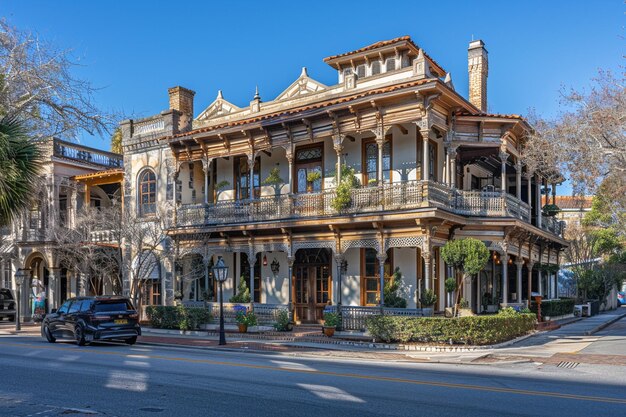
Atlanta’s Historic Hotels: Where to Stay for Character, Charm, and Local History
If you’re searching for an Atlanta historic hotel, you’re really looking for two things at once: a comfortable place to stay and a way to experience the city’s past up close. Atlanta doesn’t have the centuries‑old buildings you find in some older cities, but it does have a strong mix of early 20th‑century architecture, Civil Rights–era landmarks, and restored properties that tell the story of how the city rebuilt and reinvented itself.
This guide walks you through the most notable historic hotels in Atlanta, what makes them special, where they’re located, and how to choose the right one for your trip or staycation.
What “Historic Hotel” Means in Atlanta
In Atlanta, a historic hotel usually fits one or more of these:
- Located in a historic building (often early 1900s to mid‑century)
- Tied to Atlanta’s cultural, political, or Civil Rights history
- Positioned in a historic neighborhood or district
- Designed by a notable architect or featuring preserved period details (marble lobbies, original elevators, grand ballrooms)
You’ll see a lot of overlap between downtown, Midtown, and Buckhead, since those areas hold most of Atlanta’s preserved hotel architecture.
Quick Comparison: Key Historic Hotel Areas in Atlanta
| Area | Vibe & History Focus | Best For |
|---|---|---|
| Downtown | Old commercial core, civic buildings, early hotels | First‑time visitors, conventions, MARTA access |
| Midtown | Arts, early 20th‑century towers, urban revival | Nightlife, walkability, culture |
| Buckhead | Old mansions, postwar luxury, quiet neighborhoods | Upscale getaways, special occasions |
| Old Fourth Ward & Nearby | Civil Rights history, adaptive reuse lofts | History buffs who like boutique & indie stays |
Downtown Atlanta: Classic Grand Hotels and City History
Downtown is where many visitors start their search for an Atlanta historic hotel. You’re surrounded by civic buildings, older office towers, and some of the city’s longest‑running lodging landmarks.
Why Choose a Historic Hotel Downtown?
- Walkable access to State Farm Arena, Mercedes‑Benz Stadium, Georgia World Congress Center, and Centennial Olympic Park
- Easy connections via MARTA’s Five Points, Peachtree Center, and GWCC/State Farm Arena/CNN Center stations
- Proximity to major attractions like the National Center for Civil and Human Rights and the Martin Luther King Jr. National Historical Park (a short drive or rideshare away)
When looking at downtown options, pay attention to:
- The building’s construction date (often in the 1920s–1940s)
- Whether the hotel mentions original ballrooms, restored lobbies, or historic status
- Its distance from Peachtree Street, where much of the city’s early high‑rise development took place
Midtown: Historic Towers, Arts District, and Urban Energy
Midtown combines historic architecture with Atlanta’s modern arts and nightlife. Several older buildings have been converted into hotels or house lodging that blends old‑meets‑new design.
Why Midtown Appeals to History‑Minded Travelers
- Near the Fox Theatre, a 1929 movie palace and one of Atlanta’s most iconic buildings
- Walkable to Piedmont Park, an early‑1900s Olmsted‑influenced green space that shows off Atlanta’s older residential areas
- Mix of classic and contemporary: you might stay in a modernized historic tower while spending evenings in vintage bars or theaters
If you’re aiming for a historic feel in Midtown, look for:
- Properties that highlight preserved facades or landmark status
- Older buildings close to Peachtree Street NE between North Avenue and 14th Street
- Hotels that mention “heritage,” “historic,” or “restored” in their descriptions
Buckhead: Mansions, Old Estates, and Classic Luxury
Buckhead’s history is rooted in early 20th‑century estates and mansions, many of which evolved into embassies, event venues, or upscale residences. Hotels in this area tend to lean toward traditional luxury and quiet surroundings.
What to Expect from Historic‑Style Hotels in Buckhead
- An emphasis on classic décor (wood paneling, chandeliers, traditional furnishings)
- Proximity to long‑established residential streets and older churches
- Easy access to Peachtree Road NE, a corridor lined with mid‑century and later development that still hints at Buckhead’s older character
Buckhead is especially appealing if you:
- Want a quieter, more residential feel rather than a bustling downtown
- Are planning a special occasion or romantic getaway
- Prefer being a short ride from Lenox Square, Phipps Plaza, and long‑established restaurants
Neighborhoods with Strong Historical Context
Even if your hotel itself isn’t officially “historic,” staying near historically significant areas can give your trip more depth.
Old Fourth Ward & Auburn Avenue
Old Fourth Ward and the Sweet Auburn corridor are central to Atlanta’s Civil Rights history.
Key nearby landmarks:
Martin Luther King Jr. National Historical Park
450 Auburn Ave NE, Atlanta, GA 30312
Includes the King Center, Dr. King’s birth home (by tour), and Ebenezer Baptist Church.Sweet Auburn Historic District
Once a major center of Black business and culture in the 20th century.
While most lodging here is more boutique or modern than traditionally “historic hotel,” staying in or near Old Fourth Ward puts you close to preserved streetscapes, older churches, and historic homes.
Inman Park, Grant Park, and Surrounding Areas
These residential neighborhoods are known for Victorian and early‑20th‑century homes, tree‑lined streets, and a slower pace. You’re more likely to find:
- Small inns or guesthouses in renovated older buildings
- Easy access to Oakland Cemetery (founded in the 1850s), a major historic site and green space
These can be good options if you care less about a grand historic lobby and more about staying in an older neighborhood with a strong sense of place.
How to Tell if a Hotel Is Truly “Historic” in Atlanta
Because “historic” sometimes gets used loosely, it helps to check a few details before you book:
1. Building Age and Architecture
Look for hints such as:
- Construction dates in the early 20th century (1910s–1940s are common for Atlanta’s classic towers)
- Descriptions referencing Art Deco, Beaux‑Arts, or Neoclassical styles
- Photos that show:
- High ceilings and large windows
- Original crown moldings or terrazzo floors
- Classic elevator doors or mail chutes in hallways
2. Preservation vs. Full Renovation
Some Atlanta hotels are in older structures but have been heavily remodeled.
Signs of genuine historic character include:
- Highlighted historic ballrooms or event spaces
- Mention of landmark status or inclusion in a historic district
- Public spaces (lobbies, bars, restaurants) that clearly preserve older finishes
3. Location in or Near a Historic District
Being within or beside a recognized historic area often adds to the experience. In Atlanta, that might mean:
- Close to Fairlie‑Poplar (downtown), known for its early office buildings and narrow streets
- Along parts of Peachtree Street with older high‑rises
- Near the Old Fourth Ward, Grant Park, or Inman Park neighborhoods
Pros and Cons of Staying in a Historic Atlanta Hotel
If you’re deciding between a modern high‑rise and an older property, it helps to weigh the trade‑offs.
Advantages
Atmosphere and character
Marble lobbies, grand staircases, and older façades create a sense of occasion you can’t easily replicate in new construction.Connection to local history
Many historic‑style hotels are within walking distance of long‑standing theaters, churches, and civic sites.Central locations
Downtown and Midtown historic hotels often sit close to MARTA, attractions, and dining.
Potential Drawbacks
Room size and layout
Older buildings may have smaller rooms, lower closet space, or quirky layouts compared with newer hotels.Noise or street activity
Historic downtown buildings can be right on busy streets, so light sleepers may want to request higher floors or interior rooms.Accessibility
While most established hotels have been updated for accessibility, some older structures can still present challenges (unusual elevator configurations, heavy doors, or narrow bathroom spaces). If this is crucial, call ahead and confirm the specifics.
Tips for Choosing the Right Atlanta Historic Hotel for Your Needs
Use these practical considerations to narrow your search:
1. Decide Your Priority: History, Convenience, or Quiet
- Choose Downtown if you want maximum convenience to events, museums, and transit.
- Choose Midtown if you want walkability plus arts and nightlife.
- Choose Buckhead or a historic neighborhood if you prioritize quiet and a residential feel.
2. Check Transit and Parking
Atlanta traffic can be intense, especially at rush hour.
- If you plan to rely on MARTA, look for hotels near:
- Peachtree Center (downtown)
- Midtown or Arts Center (Midtown)
- Buckhead, Lenox, or Lindbergh Center (north side)
- If you’re driving, compare:
- Overnight parking rates
- Whether they offer valet only or have self‑parking options nearby
3. Look for On‑Site History Touchpoints
Some hotels make it easier to engage with history than others. Nice touches to look for:
- Historical plaques, photos, or mini‑exhibits in the lobby
- Restaurants or bars that reference the building’s original name, era, or former use
- Staff who can share information about the property’s story or surrounding neighborhood
4. Consider Noise, Events, and Game Days
If your historic hotel is near:
- State Farm Arena, Mercedes‑Benz Stadium, or Georgia World Congress Center, expect more crowds and traffic during games and big events.
- The Fox Theatre or Midtown nightlife, expect more evening activity.
If you prefer it quiet, ask the hotel about:
- Event schedules in large ballrooms
- Whether there are certain nights that tend to be busier or louder
Practical Local Resources and Wayfinding
When planning your stay in an Atlanta historic hotel, it can help to orient yourself with some key public points:
City and Visitor Information
Atlanta City Hall
55 Trinity Ave SW, Atlanta, GA 30303
While not a tourism office per se, it anchors downtown and is a useful reference point for city layout and government services.Georgia State Capitol
206 Washington St SW, Atlanta, GA 30334
The Capitol area is a short distance from many downtown hotels and gives you a strong sense of the city’s political history and architecture.MARTA Headquarters / Five Points Station Area
2424 Piedmont Rd NE, Atlanta, GA 30324 (HQ mailing address)
Five Points Station downtown is the central transfer hub for MARTA rail, connecting most hotel‑dense areas with the airport and major attractions.
Getting from the Airport to Your Historic Hotel
Most visitors arrive via Hartsfield‑Jackson Atlanta International Airport:
- MARTA Rail: The Red and Gold lines run directly from the Airport Station into downtown and Midtown. This is often the easiest way to reach a historic hotel without worrying about traffic or parking.
- Rideshare and taxis: Clearly signed pickup zones at the airport; many downtown and Midtown hotels are a 15–30 minute ride depending on traffic.
How Locals Use Atlanta’s Historic Hotels
If you live in Atlanta, historic hotels can be more than just overnight alternatives:
- Staycations: Downtown or Midtown properties with historic charm are popular for one‑night getaways centered around a show at the Fox Theatre or a game at Mercedes‑Benz Stadium.
- Weddings and events: Many historic‑style hotels offer ballrooms and rooftop spaces that are frequently used for receptions and corporate events.
- Holiday traditions: Some hotels decorate extensively for the winter holidays and host seasonal teas, brunches, or lobby displays that locals visit even if they’re not staying overnight.
When considering an event or staycation, ask about:
- Event space history (older ballrooms, original chandeliers, etc.)
- Local neighborhood traditions (holiday lights, parades, or seasonal shows within walking distance)
Making the Most of Your Historic Hotel Stay in Atlanta
To really round out your experience:
- Walk a full loop around the block where your hotel sits and notice the neighboring façades, older storefronts, and historic markers.
- Pair your stay with nearby museums and historic sites, such as:
- National Center for Civil and Human Rights (downtown)
- Atlanta History Center (Buckhead; 130 W Paces Ferry Rd NW, Atlanta, GA 30305)
- Oakland Cemetery (248 Oakland Ave SE, Atlanta, GA 30312)
- If you have extra time, ride MARTA or drive through contrasting areas—Downtown, Midtown, Buckhead, and Old Fourth Ward—to see how Atlanta’s growth layered over its older cores.
Choosing an Atlanta historic hotel is ultimately about matching your interest in history with the kind of trip you’re planning. Whether you want a grand downtown lobby, a Midtown tower near the Fox, or a quieter property by older neighborhoods, focusing on location, building age, and preserved details will help you find a stay that feels both comfortable and connected to the city’s past.