
The Winecoff Hotel Fire in Atlanta: What Happened, Where It Was, and Why It Still Matters
The Winecoff Hotel fire is one of the most tragic events in Atlanta’s history and one of the deadliest hotel fires in U.S. history. If you live in Atlanta, visit downtown often, or are just curious about local history and hotel safety, understanding this event gives important context to how the city thinks about fire safety, building codes, and hotels today.
Where Was the Winecoff Hotel and What Is There Now?
The Winecoff Hotel was located in downtown Atlanta at:
- 176 Peachtree Street NW
- Near today’s Ellis Street and Peachtree Center area
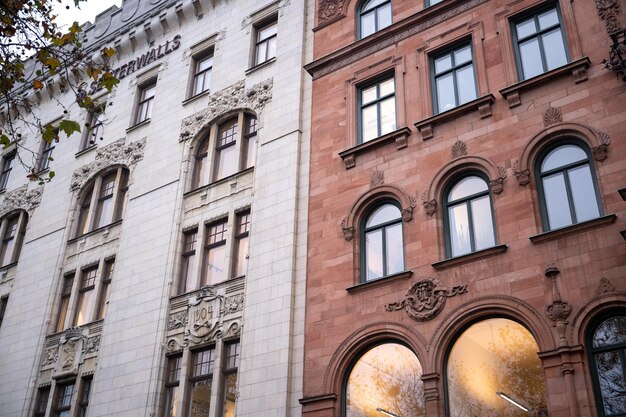
The original building still stands and has been renovated as a modern boutique hotel (under a different name). The historic structure has been updated to meet current fire and building codes, but the site is still closely associated with the 1946 tragedy in Atlanta history tours, books, and local memory.
What Happened in the Atlanta Winecoff Hotel Fire?
The night of the fire
- The fire occurred in the early morning hours of December 7, 1946.
- The Winecoff was advertised as “absolutely fireproof” because of its steel and concrete construction, which made the disaster even more shocking to Atlantans.
- The fire started on one of the lower floors and spread rapidly through corridors, open stairwells, and combustible interior finishes.
At the time, the Winecoff:
- Had no modern sprinkler system
- Had limited fire alarms
- Had single, central stairs that quickly filled with smoke and flames
- Was often fully booked, including guests, staff, and many young people in town for events
Because of this, many occupants were trapped on upper floors. Firefighters had difficulty reaching them due to building height, limited ladders of the era, and the rapidly spreading fire.
The fire resulted in a devastating loss of life and had a deep emotional impact on Atlanta residents. For decades after, many local families remembered the Winecoff fire as a turning point in how they thought about staying in hotels and public buildings.
Why the Winecoff Hotel Fire Mattered So Much in Atlanta
A wake-up call for building and fire safety
For Atlanta and cities across the country, the Winecoff fire exposed serious weaknesses in hotel and high‑rise safety, including:
- Lack of automatic sprinklers
- Insufficient exits and escape routes
- Inadequate fire alarms and communication systems
- Combustible interior materials (such as wall coverings, furniture, and carpets)
- Overreliance on the idea that “fireproof” construction alone was enough
In the years that followed, the Winecoff tragedy influenced:
- Stricter fire codes for hotels and high‑rise buildings in Atlanta
- Requirements for multiple exits, fire-rated stairwells, and fire doors
- Greater emphasis on sprinkler systems, alarms, and emergency lighting
- More frequent inspections of lodging and public-assembly spaces
Local fire officials and building departments often reference historic events like the Winecoff fire when explaining why today’s codes and inspections are so detailed.
How Hotel Fire Safety Works in Atlanta Today
If you’re staying in a hotel in Atlanta—downtown, Midtown, Buckhead, or near the airport—the safety standards are much stricter than they were in 1946. While every individual property is different, Atlanta hotels are generally expected to follow current building, fire, and life-safety codes enforced by state and local authorities.
Who oversees hotel fire safety?
In the Atlanta area, fire and building safety often involves:
Atlanta Fire Rescue Department (AFRD)
- Headquarters: commonly associated with 226 Peachtree St SW, Atlanta, GA 30303
- Handles city fire response and inspections within the City of Atlanta
City of Atlanta Department of City Planning – Office of Buildings
- Handles building permits, code enforcement, and certificates of occupancy
Georgia Office of Insurance and Safety Fire Commissioner (state level)
- Sets and enforces many statewide fire and building safety standards, including for hotels and motels
These agencies coordinate around inspections, code compliance, and enforcement for lodging facilities.
Common safety features you’re likely to see in Atlanta hotels
Modern Atlanta hotels, especially in the downtown and Midtown high‑rise core, typically include:
- Automatic sprinkler systems in guest rooms, corridors, and common areas
- Hard-wired smoke detectors in rooms and hallways
- Clearly marked exits with illuminated “EXIT” signs
- Enclosed, fire-rated stairwells with fire doors that close to contain smoke and flames
- Fire alarms with audible and sometimes visual signals
- Emergency lighting in corridors and stairwells
- Fire extinguishers located in hallways and service areas
- Posted evacuation maps on the back of guest room doors
These measures arose, in part, because fires like the Winecoff showed how vulnerable hotel guests can be when systems fail or are missing.
Visiting the Former Winecoff Hotel Site in Downtown Atlanta
If you’re interested in Atlanta history, you can walk by the former Winecoff building along Peachtree Street NW in the heart of downtown. The area around the old Winecoff location now includes:
- Other historic buildings and modern office towers
- Nearby hotels, restaurants, and retail
- Convenient access to MARTA stations such as Peachtree Center
While the building has been renovated and rebranded, some Atlantans still refer to it by its historic name when discussing the 1946 fire. Local walking tours and history groups sometimes highlight the Winecoff as an important stop in Atlanta’s architectural and social history.
Lessons Atlanta Residents and Visitors Can Take from the Winecoff Fire
Even though fire codes have improved significantly, individuals still play a role in staying safe in Atlanta hotels, high‑rises, and apartment buildings.
Simple safety steps when you stay in an Atlanta hotel
When you check in, you can quietly apply lessons that came out of tragedies like the Winecoff fire:
Find your exits right away
- Count how many doors there are between your room and the nearest stairwell in both directions.
- Look for the emergency exit map on the back of the door.
Check basic safety features
- Ensure your smoke detector is present and appears intact.
- Note where fire extinguishers and alarm pull stations are located on your floor.
Keep paths clear
- Avoid blocking the door with luggage.
- Keep shoes, keys, and a phone where you can reach them quickly.
Know what to do if an alarm sounds
- Use stairs, not elevators.
- Follow posted routes toward the nearest exit.
These habits are simple, but they reflect hard-learned lessons from events like the Winecoff fire.
How the Winecoff Fire Shaped Atlanta’s Approach to High‑Rise Living
Atlanta has grown into a city of condos, apartments, and hotels reaching high into the skyline—especially in Midtown, Buckhead, and around downtown. For residents living in high‑rises today, many of the safety standards in your building trace philosophically back to disasters like the Winecoff.
In Atlanta high‑rise residential buildings, you’ll typically see:
- Multiple protected stairwells, sometimes pressurized to keep smoke out
- Fire-resistive construction between floors and units
- Requirements for alarms, sprinklers, and emergency power in taller structures
- Regular fire inspections by local fire departments or building management
If you’re leasing or buying a unit in a high‑rise in Atlanta, you can ask building management:
- What fire safety systems are in place?
- How often are they tested and inspected?
- Is there a posted evacuation plan for residents?
- Do they conduct periodic fire drills?
These questions are not overcautious—they reflect awareness that came from high‑profile events like the Winecoff fire.
Quick Reference: Winecoff Fire and Atlanta Hotel Safety Today
| Topic | Then (1946 Winecoff Era) | Now (Modern Atlanta Hotels) |
|---|---|---|
| Building reputation | “Fireproof” based on structure | Evaluated on code compliance and safety systems |
| Sprinklers | Generally absent | Common and often required in multi-story hotels |
| Fire alarms | Limited coverage, less standardized | Integrated alarm systems on multiple floors |
| Exits | Fewer exits, central stairwell | Multiple exits, enclosed stairwells |
| Interior materials | More combustible finishes | Stricter rules on fire-resistant materials |
| Oversight | Less standardized inspections | Regular fire and building inspections |
| Public awareness | Fewer guests thought about exit routes | Many travelers more conscious of evacuation plans |
If You Have Questions or Concerns About Hotel Safety in Atlanta
If you’re an Atlanta resident, property owner, or regular visitor and you have concerns about a particular hotel’s fire safety or building conditions, you can:
Contact Atlanta Fire Rescue Department (AFRD)
- For questions related to fire safety inspections or non-emergency concerns about fire hazards in city hotels or buildings.
Reach out to the City of Atlanta’s Office of Buildings
- For questions about building code compliance, occupancy, or permits for hotels and lodging facilities within city limits.
Consult the Georgia Office of Insurance and Safety Fire Commissioner
- For broader state-level rules affecting hotels, motels, and other lodging across Georgia, including in Atlanta.
These offices can often explain what standards apply and how complaints or inspections are handled.
The Atlanta Winecoff Hotel fire remains a defining event in the city’s history. For people who live in or visit Atlanta today, it’s more than just a tragic story—it’s a reminder of why the city’s hotels and high‑rise buildings are built and regulated the way they are, and why paying attention to basic safety details still matters.