
Finding the Right Apartment in Atlanta’s Midtown: A Local Guide
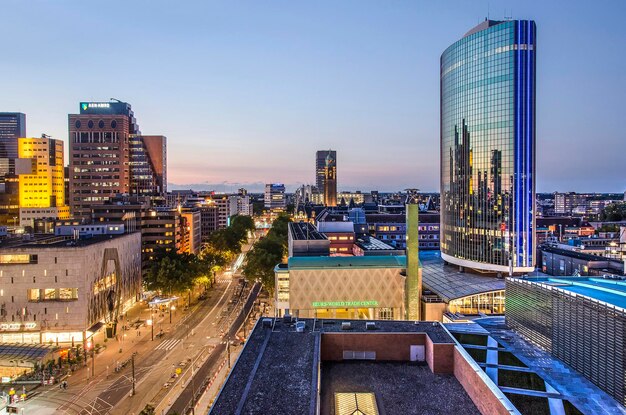
Looking for apartments in Atlanta Midtown means choosing one of the city’s most walkable, vibrant, and centrally located neighborhoods. Midtown is dense with high-rises, historic buildings, restaurants, nightlife, and major employers. It’s also home to some of Atlanta’s best parks and arts institutions.
This guide walks through what to expect from Midtown apartments, key micro-areas to know, typical rental options, parking and transit, and practical tips for touring and signing a lease in this part of Atlanta.
Why Midtown Is a Popular Place to Rent
Midtown sits between Downtown and Buckhead, anchored roughly by North Avenue to the south and Brookwood to the north, with Piedmont Avenue to the east and I‑75/85 to the west.
People often choose Midtown apartments because:
- You can walk to Piedmont Park, the BeltLine Eastside Trail, and major offices.
- Restaurants, bars, and coffee shops are clustered along Peachtree St NE, Ponce de Leon Ave, and side streets.
- The neighborhood has multiple MARTA rail stations (Midtown, Arts Center, North Avenue).
- There are many modern high-rises with amenities, plus older low-rise and historic buildings with character.
If you want an urban, car-optional lifestyle in Atlanta, Midtown is one of the few areas where it’s realistic.
Key Areas Within Midtown to Consider
Midtown is not one single experience. Different blocks feel very different in terms of noise, traffic, and housing style.
Peachtree Corridor (Core Midtown)
Centering on Peachtree St NE near 10th St NE and 14th St NE, this is the “classic” Midtown high-rise zone.
What to expect:
- Tall apartment and condo towers
- Easy access to Midtown Station and Arts Center Station
- Busy sidewalks, more street noise, lots of nightlife
- Short walks to Colony Square, Woodruff Arts Center, and office towers
Good if you want a bustling, urban feel and don’t mind traffic and crowds.
Piedmont Park & BeltLine-Adjoining Blocks
East of Piedmont Ave NE and near the Atlanta BeltLine Eastside Trail, this area leans slightly more residential.
What to expect:
- Mix of mid-rise apartments, some townhomes, and smaller communities
- Quicker access to Piedmont Park, Atlanta Botanical Garden, and the BeltLine
- Slightly quieter streets compared with Peachtree, though still active
- Popular with people who run, cycle, or walk dogs daily
Good if you want green space nearby and still be able to walk into the heart of Midtown.
Historic Midtown / Garden District
Between Piedmont Ave and Monroe Dr, and around streets like Penn Ave NE and Argonne Ave NE, you’ll find more historic homes and smaller buildings.
What to expect:
- Older walk-up apartments and converted homes
- Tree-lined streets and a neighborhood feel
- Fewer on-site amenities, more character and variation in layout
- Parking can be more challenging on some blocks
Good if you prefer charm over amenities and don’t mind older buildings.
Tech Square & Georgia Tech Edge
Around Spring St NW, West Peachtree St NW, and Tech Square, on the western side closer to Georgia Tech.
What to expect:
- Newer high-rises and student-oriented apartments
- Easy access to Georgia Tech, Midtown tech offices, and North Avenue/Midtown MARTA
- More students and young professionals
- Active but sometimes quieter at night off main streets
Good if you’re studying or working at Georgia Tech or in the nearby tech and corporate offices.
Types of Apartments You’ll See in Midtown
High-Rise Luxury Buildings
These are common along Peachtree, 10th, 12th, and 14th Streets.
Typical features:
- Studio, 1‑bed, 2‑bed, and some 3‑bed units
- Rooftop pools, fitness centers, clubrooms, and coworking areas
- Concierge or front desk, controlled access, package lockers
- Parking garages, often with assigned or paid monthly spaces
These buildings usually come with higher rents but offer the most amenities and views.
Mid-Rise & Garden-Style Communities
Scattered around the Piedmont Park area and quieter side streets.
Typical features:
- 3–6 floor buildings, sometimes with internal courtyards
- Basic fitness rooms, small pools, or shared lounges
- More residential atmosphere than the Peachtree corridor
These can be a good compromise between amenities and cost.
Historic & Smaller Buildings
Closer to the Garden District and some older sections of Midtown.
Typical features:
- Walk-up buildings, sometimes with no elevator
- Hardwood floors, unique layouts, occasionally older plumbing/fixtures
- Limited amenities—maybe on-site laundry or small courtyards
These can appeal if you want a more neighborhood feel and sometimes more square footage for the price, though condition can vary a lot.
What to Look For in a Midtown Apartment
When you tour apartments in Midtown Atlanta, pay attention to more than just the unit.
Noise, Traffic, and Event Days
Midtown hosts festivals, races, and concerts—especially around Piedmont Park and the Fox Theatre corridor.
Ask about:
- Street noise: Trucks, nightlife, and emergency vehicles along Peachtree and Piedmont
- Event days: Street closures and parking changes during major events and festivals
- Unit location: Higher floors and units facing courtyards or side streets often get less noise
Parking and Transportation
Parking in Midtown can be tight, and rules vary by building.
Check:
- Parking availability and cost: Is a space included, or is it extra per month?
- Guest parking: Is there a process for visitors or is it mostly street parking?
- Street parking rules: Some blocks are permit-only or have time limits.
- Transit access: Proximity to Midtown, Arts Center, or North Avenue MARTA stations, plus bus routes.
If you’re planning a car-light lifestyle, ask whether you can realistically walk, bike, or ride MARTA for your daily routine.
Safety and Building Security
Midtown is busy and relatively well-patrolled, but it’s still an urban area.
Consider:
- Controlled access: Fob or keycard entry to building and garage
- Package handling: Lockers or staffed package rooms to reduce theft risk
- Lighting: Well-lit entrances, garages, and sidewalks
- Staff availability: On-site management, courtesy officer, or security patrols
Amenities That Matter in Midtown
Some amenities matter more in this part of Atlanta:
- Pool and rooftop spaces: Useful in Atlanta’s hot months and for entertaining.
- Gym quality: Can save trips to separate gyms along Peachtree or Ponce.
- Work-from-home spaces: Conference rooms or coworking spaces are valuable if you’re remote.
- Pet facilities: Dog runs or pet washing stations, especially if you use Piedmont Park’s dog park.
Approximate Rent Ranges and Tradeoffs
Exact prices change frequently, but you can use this as a directional guide for Midtown:
| Apartment Type | What You Often Get | Typical Tradeoffs |
|---|---|---|
| Studio / Micro Studio | Smaller footprint, usually in newer buildings | Lower cost, but limited space |
| 1‑Bedroom in High-Rise | Amenities + central location | Higher rent and parking fees |
| 1‑Bedroom in Older Building | More space, character | Fewer amenities, possibly older finishes |
| 2‑Bedroom in Midtown Core | Good for roommates or home office | Higher rent, especially near Peachtree |
| 2‑Bedroom Near Garden District | Quieter streets, more residential feel | May be older, fewer shared amenities |
When comparing units, factor in:
- Parking fees
- Pet rent and deposits
- Amenity fees or “community” fees
- Internet/cable requirements (some buildings bundle services)
Commuting From Midtown
One of Midtown’s biggest advantages is connectivity:
- By MARTA rail:
- Midtown Station (41 10th St NE) and
- Arts Center Station (1255 W Peachtree St NE)
connect to Downtown, the Airport, Buckhead, and the Perimeter.
- By car: You can quickly access I‑75/85 at multiple ramps, but rush hour is dense in all directions.
- By bike/scooter: Bike lanes and the BeltLine help with short trips, though some streets still favor cars.
If you work in Downtown, Buckhead, or at Georgia Tech, Midtown can significantly shorten your commute.
Renting Process and Documents in Atlanta (Including Midtown)
The basic application and leasing process in Midtown is similar to the rest of Atlanta, but high-demand properties may move quickly.
Expect to provide:
- Photo ID (typically a driver’s license or passport)
- Proof of income (pay stubs, job offer letter, or bank statements)
- Rental history and landlord contact information
- Consent for a credit and background check
Many Midtown buildings have income and credit requirements, such as:
- Income at or above a certain multiple of the monthly rent
- Minimum credit score ranges (varies by property)
If you’re new to the U.S., a larger deposit or co-signer may be requested.
Parking, Permits, and City Contacts
If your building does not include parking or you rely on street parking, be aware of local rules.
Useful contacts and locations:
City of Atlanta Department of Transportation (ATLDOT)
Often involved in parking and right‑of‑way issues.
Address: 68 Mitchell St SW, Atlanta, GA 30303
Main City information line: (404) 330‑6000City of Atlanta Municipal Court (parking citations)
For resolving Midtown parking tickets.
Address: 150 Garnett St SW, Atlanta, GA 30303
Phone: (404) 658‑6940
Some Midtown streets have Residential Parking Permit requirements; always check posted signs and ask your leasing office what residents typically do for parking on your block.
Utilities and City Services for Midtown Apartments
Most Midtown renters will deal with a similar set of utility providers and city services:
Water & Sewer
Usually billed through your building or indirectly through management.
Overseen by:
Department of Watershed Management
72 Marietta St NW, Atlanta, GA 30303
Customer service (City of Atlanta): (404) 546‑0311Electric Service
Often through Georgia Power for Midtown addresses. Most buildings will tell you exactly how to set this up for your unit.Trash & Recycling
Typically handled by your building with private haulers or City service. Check:
City of Atlanta Department of Public Works – Solid Waste Services
55 Trinity Ave SW, Atlanta, GA 30303
General City info: (404) 330‑6000
Always ask your leasing office:
- Which utilities are included in rent?
- Which are billed separately?
- How average monthly costs look for similar units.
Tips for Touring Midtown Apartments
When you schedule tours:
- Visit at different times of day
- Weekday rush hour, weekend evenings, and late night can all feel different.
- Walk the block
- Note lighting, sidewalk condition, noise level, and nearby bus stops or bars.
- Test your commute
- Try the drive or MARTA route you’ll use most often.
- Ask direct questions
- How often do maintenance requests get handled?
- Are there quiet hours or noise rules?
- How are packages handled, especially during holidays?
If you rely on MARTA, try walking from:
- Midtown Station or
- Arts Center Station
to the property to see how comfortable and safe the route feels.
Considering Short-Term vs. Long-Term Leases
In Midtown, you’ll find:
- Standard 12‑month leases (most common)
- Some shorter-term or furnished options, especially near Georgia Tech and corporate offices
- Lease‑up specials at new high‑rises that may offer incentives
When comparing, look carefully at:
- Base rent vs. effective rent after any concession
- Early termination clauses and subleasing rules
- Renewal terms and notice requirements
Who Midtown Works Best For
Midtown apartments tend to fit people who:
- Want walkability to work, restaurants, and events
- Don’t mind some street noise and density
- Value transit options and access to MARTA
- Enjoy having Piedmont Park, the BeltLine, and cultural venues like the High Museum of Art nearby
If you prefer a quieter, more suburban environment with easy free parking, you may want to compare Midtown with neighborhoods like Virginia‑Highland, Morningside, or Inman Park. But if you want to be in the center of activity, focusing your search on apartments in Atlanta Midtown is a practical starting point.