
Air Quality in Atlanta: What Residents and Visitors Need to Know
Air quality in Atlanta affects everything from your morning run on the BeltLine to your commute on the Downtown Connector. Whether you live in the city, are planning a visit, or are deciding whether to move here, understanding Atlanta’s air quality helps you plan your day and protect your health.
This guide explains how air quality works in Atlanta, when it’s usually better or worse, how to check current conditions, and what you can realistically do about it.
How Air Quality Is Measured in Atlanta
Most public information on air quality in Atlanta is based on the Air Quality Index (AQI). The AQI converts pollution levels into an easy-to-read color and number scale.
Here’s a simple breakdown:
| AQI Range | Color | General Meaning | Common Atlanta Context |
|---|---|---|---|
| 0–50 | Green | Good – air quality is satisfactory | Many winter days, clear days after rain |
| 51–100 | Yellow | Moderate – acceptable, sensitive groups may notice issues | Typical warm-season days |
| 101–150 | Orange | Unhealthy for Sensitive Groups | Hot, stagnant summer days, “Code Orange” alerts |
| 151–200 | Red | Unhealthy for everyone | Less common, usually during severe heat/ozone episodes or wildfire smoke |
| 201+ | Purple/Maroon | Very Unhealthy/Hazardous | Rare but possible during major smoke or pollution events |
The AQI for Atlanta is typically driven by two main pollutants:
- Ozone (O���) – often higher on hot, sunny afternoons
- Fine particulate matter (PM2.5) – tiny particles from smoke, dust, traffic, and industry
Why Atlanta’s Air Quality Can Be a Challenge
Atlanta’s air quality is shaped by geography, weather, and human activity.
1. Traffic and Commuting Patterns
Atlanta’s well-known traffic on I‑75/85, I‑285, GA‑400, and I‑20 contributes to local pollution. Areas closer to major highways and busy corridors often experience more vehicle-related emissions, especially during rush hour.
2. Heat and Sun-Driven Ozone
Atlanta has long, hot summers. Warm, sunny, stagnant conditions allow ground-level ozone to form more easily. This is why many “Code Orange” air quality alerts happen between late spring and early fall.
3. Regional Wildfire Smoke and Particles
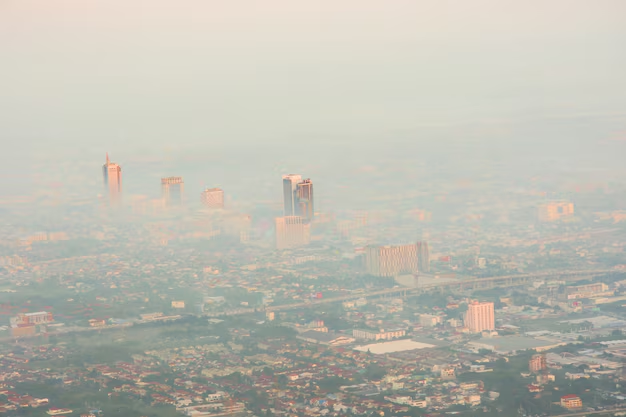
In recent years, smoke from regional or distant wildfires has occasionally drifted into the Atlanta area, raising PM2.5 levels. On those days, the sky can look hazy even if local emissions are not unusually high.
4. Pollen and Allergens (Related but Different)
Pollen from trees, grass, and weeds is a separate issue from AQI but often overlaps with air quality concerns. Spring in Atlanta can bring high pollen counts, which, combined with moderate air pollution, can make outdoor activities less comfortable for many people.
Typical Air Quality Patterns in Atlanta
Although daily conditions change, certain patterns are common:
Best air quality:
- Cooler months (late fall, winter, early spring)
- After cold fronts or heavy rain, when pollution is cleared out
- Early morning hours before traffic and heat build up
More challenging air quality:
- Summer afternoons with high heat and sun (more ozone)
- Stagnant, hazy days with little wind
- Regional smoke events (even if local weather seems fine)
For most of the year, Atlanta’s AQI often falls in the “Good” or “Moderate” categories, with occasional days in the “Unhealthy for Sensitive Groups” range, especially in the warm season.
How to Check Real-Time Air Quality in Atlanta
If you live in Atlanta or are visiting, it helps to check AQI before planning outdoor activities, especially in summer.
You can:
- Search for “Atlanta AQI” on your preferred search engine or weather platform
- Use a weather or air quality app and set your location to:
- Atlanta, GA (citywide view)
- Or a specific ZIP code such as 30303 (Downtown), 30308 (Midtown), 30309 (Buckhead/Midtown), etc.
- Use built-in air quality features on many smartphone weather apps
Look for:
- The overall AQI number and color
- Whether the main pollutant is ozone or PM2.5
- Any Air Quality Alerts for the Atlanta metro region
Official Atlanta and Georgia Agencies Involved in Air Quality
Several public agencies monitor and manage air quality in the Atlanta region:
Georgia Environmental Protection Division (EPD)
The Georgia EPD oversees statewide air quality monitoring and issues alerts.
- Headquarters (Air Protection Branch)
- 2 Martin Luther King Jr. Drive SE
Floyd Towers East
Atlanta, GA 30334 - Main Phone (central office switchboard): (404) 657‑5947
- 2 Martin Luther King Jr. Drive SE
Atlanta Regional Commission (ARC)
The Atlanta Regional Commission coordinates regional planning, including transportation and environmental programs that affect air quality.
- Atlanta Regional Commission
- 229 Peachtree Street NE, Suite 100
Atlanta, GA 30303 - Phone: (404) 463‑3100
- 229 Peachtree Street NE, Suite 100
City of Atlanta Government
While state agencies regulate most air quality standards, the City of Atlanta can influence local air through transportation planning, land use decisions, and city operations.
- City of Atlanta – City Hall
- 55 Trinity Avenue SW
Atlanta, GA 30303 - City information line: (404) 330‑6000
- 55 Trinity Avenue SW
These offices are not walk-in health clinics, but they are useful for policy questions, permits, complaints about major emissions, or learning about local air initiatives.
If You Live in Atlanta: Everyday Strategies for Dealing with Air Quality
You cannot control the weather, but you can control how you respond to days with less favorable air.
1. Time Your Outdoor Activities
On days with elevated AQI:
- Prefer mornings or evenings for walks, runs, or outdoor work, when ozone levels are often lower.
- Limit high-intensity exercise during the hottest part of the afternoon, especially in summer.
2. Adjust Where You Spend Time Outdoors
If air quality is poor:
- Choose parks and green spaces set back from major highways instead of areas right along busy roads.
- Routes like the Atlanta BeltLine, Piedmont Park, Grant Park, or the Chattahoochee River National Recreation Area may feel better than running along traffic-heavy corridors like Peachtree Street or Northside Drive, especially during rush hour.
3. Improve Indoor Air Quality at Home
Indoor air in Atlanta homes can be affected by outdoor pollution plus indoor sources (cooking, cleaning sprays, smoke).
Common steps people in Atlanta take include:
- Using air conditioning on “recirculate” on bad air days to limit outdoor air intake
- Regularly replacing HVAC filters according to the system’s instructions
- Avoiding indoor burning (candles, incense) and heavy use of strong chemical cleaners during poor-air days
- Keeping windows and doors closed during high AQI periods, especially along busy roads
For building-specific questions (for example, in apartments or offices), property management or building maintenance can often provide more information on ventilation and filtration.
If You’re Visiting Atlanta: What You Should Know
Most visitors do not find Atlanta’s air quality to be a daily obstacle, but awareness helps:
- Check AQI during summer, especially if you plan outdoor sightseeing or exercise.
- If you are sensitive to pollution, consider:
- Planning outdoor-heavy activities (like walking tours, zoo visits, or BeltLine trips) on clear, less humid days
- Using indoor time (museums, restaurants, shopping) during hot, hazy afternoons
- For hotel stays near major interstates, some guests prefer higher floors and rooms facing away from the highway to reduce traffic-related noise and potential exposure.
What “Air Quality Alerts” Mean in Atlanta
In the Atlanta area, you may hear terms like “Code Orange” or “Code Red” days, especially on local news or radio.
Generally:
- Code Yellow (Moderate) – No major actions for most people, but those with sensitivities may wish to be aware.
- Code Orange (Unhealthy for Sensitive Groups) – Certain groups are advised to limit prolonged or heavy outdoor exertion:
- Children
- Older adults
- People with certain heart or lung conditions (these are medical topics – individuals typically discuss them with a health professional)
- Code Red (Unhealthy) – Everyone is encouraged to reduce strenuous outdoor activities, particularly in the hottest hours.
These alerts are common in late spring through early fall when ozone is more likely to form.
Local Factors That Can Affect Neighborhood-Level Air Quality
Within Atlanta, air quality can vary from block to block. Residents often notice differences based on:
Distance from highways and major arterials
Neighborhoods close to I‑75/85, I‑20, I‑285, or GA‑400 may experience more traffic-related pollutants.Industrial or commercial activity
Areas near warehouses, railyards, or industrial zones may have unique air concerns tied to specific facilities.Tree cover and green space
Heavily treed neighborhoods (for example, parts of Buckhead, Druid Hills, or certain intown neighborhoods) can feel more sheltered and may have different local conditions compared with dense commercial corridors.
If you have concerns about a particular facility or source (for example, a visible plume or strong odor), you can contact Georgia EPD or your local county environmental health office for guidance on how to report it.
Transportation and Air Quality in the Atlanta Area
Transportation choices in metro Atlanta play a significant role in regional air quality.
Common approaches that residents and commuters use to reduce their impact include:
- Carpooling or vanpooling on major commuter routes
- Using MARTA (rail and bus) where transit lines are convenient
- Combining errands to reduce trip frequency
- Avoiding extended idling in drive-throughs or parking lots where possible
Organizations and employers in the region sometimes participate in clean commute programs or offer incentives for transit, biking, or teleworking, which can gradually help improve regional air quality.
Air Quality and Kids, Schools, and Outdoor Programs in Atlanta
Parents and schools in Atlanta often pay special attention to air quality during hot months:
- Schools and childcare centers may adjust outdoor play or athletic practice on Code Orange or worse days.
- Many youth sports leagues and summer camps in metro Atlanta monitor heat and, increasingly, air quality when planning practices or outdoor activities.
If you’re a parent or guardian, you can:
- Ask your child’s school, camp, or league how they monitor and respond to heat and air quality alerts.
- Check AQI yourself on days with high temperatures, haze, or visible smoke.
Where to Get More Help or Information in Atlanta
If you have general questions about air quality policy, emissions permits, or concerns about specific large sources, the following government contacts are common starting points:
Georgia Environmental Protection Division – Air Protection Branch
2 Martin Luther King Jr. Drive SE
Floyd Towers East
Atlanta, GA 30334
Main Phone: (404) 657‑5947Atlanta Regional Commission (Environmental & Air Programs)
229 Peachtree Street NE, Suite 100
Atlanta, GA 30303
Phone: (404) 463‑3100City of Atlanta – City Hall
55 Trinity Avenue SW
Atlanta, GA 30303
General City Information: (404) 330‑6000
For personal health questions related to air quality, people typically contact:
- A primary care provider or clinic in the Atlanta area
- Local health resources such as the Fulton County Board of Health or DeKalb County Board of Health for general public health information
Understanding air quality in Atlanta comes down to three main habits: check the AQI, plan your outdoor time, and make your home and commute as air-friendly as you reasonably can. With those steps, most residents and visitors are able to enjoy what the city offers while staying aware of the air they’re breathing.