
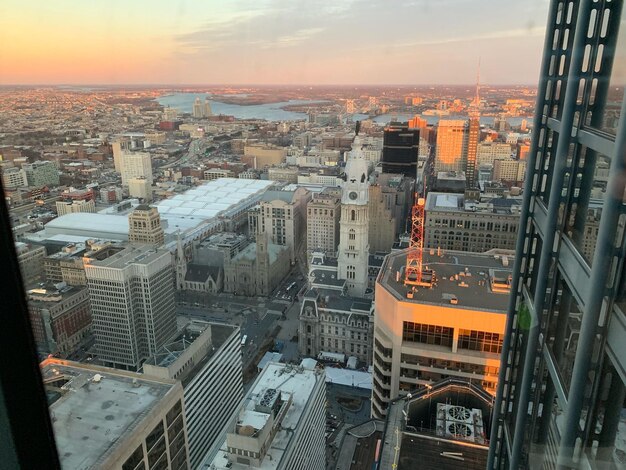
Atlanta’s Altitude: How High the City Sits and Why It Matters
Atlanta might feel like a typical Southern city at first glance, but its altitude plays a quiet role in everything from the weather to how it feels to exercise here. Whether you live in Atlanta, are planning a visit, or are just curious about the city’s elevation, understanding Atlanta’s altitude can give helpful context to daily life.
What Is Atlanta’s Altitude?
Atlanta is often called the “City in a Forest,” but it could just as easily be called a city on a hill.
- The city’s elevation generally ranges from about 740 to 1,050 feet above sea level.
- A commonly cited average is around 1,000 feet (about 300 meters).
- Atlanta is located on the Piedmont Plateau, a rolling upland region between the Appalachian Mountains and the coastal plain.
So while Atlanta is not a high-altitude city like Denver, it’s noticeably higher than many coastal cities such as Savannah, Jacksonville, or New Orleans.
Atlanta Neighborhoods and Elevation Differences
Different parts of Atlanta sit at slightly different heights. You might not notice it walking around, but the city is full of gentle hills and ridges.
Here is a simplified look at elevations in and around key areas:
| Area / Landmark | Approximate Elevation (feet) | Notes |
|---|---|---|
| Downtown Atlanta | 950–1,050 | Around Peachtree Center, State Capitol area |
| Midtown Atlanta | 950–1,050 | Slightly hilly, similar to downtown |
| Buckhead | 900–1,000 | Elevated, rolling terrain |
| Hartsfield–Jackson Airport | 950 | South of downtown; relatively flat |
| Westside (e.g., West Midtown) | 900–1,000 | Gentle slopes, old industrial areas on higher ground |
| East Atlanta / Decatur area | 900–1,000 | Modest hills and ridges |
| Chattahoochee River valley | 700–800 | Lower areas closer to the river corridor |
🌳 What you’ll notice as a resident or visitor:
- You may feel more up-and-down walking or biking in neighborhoods like Midtown, Buckhead, and some eastside neighborhoods.
- Views from some ridges and high points can stretch across the tree canopy and skyline, especially in winter when leaves are off the trees.
How Atlanta’s Altitude Affects Weather and Climate
Atlanta’s elevation and location in the Piedmont help shape its climate:
Slightly Cooler Than the Coastal South
Because Atlanta sits hundreds of feet above sea level, it tends to be:
- Slightly cooler than coastal cities in Georgia and the Deep South.
- A bit less humid at times, especially compared with low-lying coastal or swampy regions.
That said, summers are still hot and humid, just not as extreme as they might be at sea level in some Gulf or Atlantic locations.
Storms and Rainfall
Atlanta’s height and terrain can also play a role in how:
- Storm systems move through the metro area.
- Cold fronts interact with warmer, moist air from the Gulf of Mexico.
Residents are familiar with fast-changing weather where storms can build quickly and move across the hilly city. The local forecast and warnings are managed by the National Weather Service office in Peachtree City, which covers the Atlanta area.
Does Atlanta’s Altitude Affect Breathing or Health?
For most people, Atlanta’s elevation is not high enough to cause altitude-related issues. Cities that trigger common altitude concerns (like lightheadedness or difficulty breathing due to thin air) are typically:
- Above 5,000–6,000 feet (for example, Denver or mountain ski towns).
Atlanta, at around 1,000 feet, is:
- Well within the “low altitude” category.
- Generally comfortable even for visitors coming from sea level.
However, a few altitude-related points may still matter:
- If you’re used to very flat, sea-level areas, you might feel that walking or running Atlanta’s hills is more tiring, but that’s from incline and exertion, not thin air.
- People who have existing health conditions affecting the heart or lungs should follow their usual medical guidance; Atlanta’s height alone usually doesn’t change recommendations.
Anyone with specific health concerns about travel or exercise should consult a qualified health professional rather than relying on general altitude information.
Altitude and Atlanta Activities: Walking, Running, and Sports
Because Atlanta mixes moderate elevation with rolling terrain, it has a distinct feel for outdoor activity.
Walking and Hiking
If you’re walking around neighborhoods or exploring nearby parks:
- Expect more short hills than long flat stretches.
- Popular in-town walking spots that show off the terrain include:
- Atlanta BeltLine Eastside Trail – gentle ups and downs, good for all levels.
- Piedmont Park – mostly mild, rolling terrain.
- Neighborhoods like Virginia-Highland, Inman Park, and Grant Park, where streets can slope noticeably.
For more pronounced elevation changes, you can head just outside the city:
- Stone Mountain Park (Stone Mountain, GA) – a granite monolith with a steep walk-up trail.
- Kennesaw Mountain National Battlefield Park (Kennesaw, GA) – higher elevation than central Atlanta with more challenging climbs.
Running and Cycling
Runners and cyclists in Atlanta often talk less about “altitude” and more about “the hills.”
- Many popular running routes, such as those in Midtown, Buckhead, and along parts of the Westside, involve constant small climbs and descents.
- Cyclists training around the metro area may seek out hilly routes northwest and north of the city for elevation gain.
While the city’s altitude isn’t high, the cumulative effect of hills can make workouts feel tougher than a similarly paced session in a flat, sea-level city.
How Atlanta’s Elevation Compares to Other Places
It can help to put Atlanta’s altitude in context:
- Atlanta (~1,000 ft)
vs. Savannah (near sea level) – Atlanta is higher and typically a bit less muggy and slightly cooler at night. - Atlanta
vs. Denver (~5,280 ft) – Denver’s air is much thinner; visitors sometimes notice altitude effects there, but not in Atlanta. - Atlanta
vs. Appalachian mountain towns (2,000–3,000+ ft) – North Georgia mountain communities can be cooler and feel more “highland” than Atlanta.
For travel planning, this means you usually don’t need to prepare for altitude when coming to Atlanta from other parts of the country, even from the coasts.
Altitude, Air Travel, and Hartsfield–Jackson Airport
Hartsfield–Jackson Atlanta International Airport (ATL) sits at roughly the same elevation as much of the city (around 950 feet).
What this means for travelers:
- There are no special altitude concerns for flying into or out of Atlanta compared with other major low- to mid-elevation airports.
- Aircraft performance is routinely adjusted to local field elevation and temperature; passengers generally do not notice anything related specifically to the airport’s height above sea level.
The airport is located just south of the city at:
- Hartsfield–Jackson Atlanta International Airport
6000 N Terminal Pkwy
Atlanta, GA 30320
Altitude and Building, Real Estate, and Flooding in Atlanta
When people in metro Atlanta talk about “elevation” in a practical sense, they’re often thinking about flood risk, drainage, or views, not thin air.
Flooding and Low Spots
Although Atlanta is not a coastal city, some low-lying parts of the metro area can experience flooding, especially along:
- Creeks and streams, or
- Sections of the Chattahoochee River valley.
Higher elevation portions of the city and inner suburbs are generally less flood-prone, but local topography still matters. A property can be relatively high overall yet still be in a local low spot where water collects.
Homeowners, buyers, or renters often:
- Check flood maps for their address.
- Pay attention to how driveways, yards, and nearby streets handle heavy rain.
For official, locally grounded information on floodplains and elevation in the city:
- City of Atlanta – Department of Watershed Management
72 Marietta St NW
Atlanta, GA 30303
Main information line: often listed through the City of Atlanta’s general government contacts.
For larger-scale elevation and flood mapping across the region, many residents also refer to resources provided through Fulton County, DeKalb County, or surrounding county offices.
Views and Higher Ground
In some Atlanta neighborhoods, being on higher ground can be a selling point:
- Better chances of skyline views.
- A perception of better drainage.
- A slightly cooler breeze in summer.
Areas with more noticeable elevation advantage include some ridges in Buckhead, parts of Midtown, and hills in certain intown neighborhoods.
Altitude and Outdoor Destinations Near Atlanta
While Atlanta itself sits at a moderate elevation, it’s a gateway to higher-altitude areas in North Georgia:
- North Georgia mountains (such as Blue Ridge, Dahlonega, and Helen areas) rise to several thousand feet above sea level.
- Hiking spots like Brasstown Bald (the highest point in Georgia) are significantly higher and can feel cooler and more “mountainous” compared with Atlanta.
From the city, many residents:
- Take day trips to these higher-elevation destinations to escape summer heat.
- Notice that temperatures generally drop as they drive north and up into the mountains.
If you’re planning outdoor activities that move between Atlanta’s altitude and higher mountain locations, prepare for:
- Temperature changes (often cooler at higher elevations).
- Potentially different weather patterns, even within a couple of hours’ drive.
When Does Altitude Really Matter in Atlanta?
For everyday life in Atlanta, altitude is usually a background factor, but it becomes more relevant when you’re:
- Comparing climates between Atlanta and lower-lying Southern cities.
- Planning outdoor workouts, runs, or bike rides and wondering why the hills feel demanding.
- Considering real estate, drainage, or flood risk and want to understand local high and low points.
- Using Atlanta as a starting point for trips to the North Georgia mountains, where elevation increases sharply.
In practical terms, Atlanta’s altitude:
- Does not typically cause altitude sickness or breathing problems purely from elevation.
- Does contribute to the city’s slightly cooler, hillier character compared with coastal parts of the Southeast.
For someone living in or visiting Atlanta, it’s helpful to think of the city as a moderately elevated, rolling, inland hub—high enough to shape the feel of the landscape and weather, but not high enough to create major altitude-related challenges.