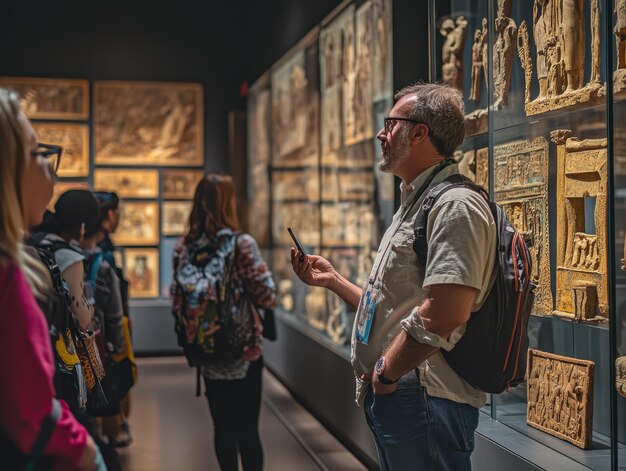
Atlanta doesn’t have just one “Atlanta History Museum” – instead, it offers several major history-focused museums and sites that together tell the story of the city, the region, and the South. If you’re searching for an Atlanta history museum, you’re most likely looking for one (or more) of the key institutions below.
This guide walks you through the most important history museums in Atlanta, Georgia, what each one focuses on, where they’re located, and how to choose the best option for your visit or for local exploration.
When people say “Atlanta History Museum,” they usually mean the Atlanta History Center in Buckhead. It’s the city’s most comprehensive history destination.
Address:
Atlanta History Center
130 West Paces Ferry Road NW
Atlanta, GA 30305
Phone (main line): Typically listed on their official site or visitor info.
The Atlanta History Center is more than a single museum building. On its campus you’ll find:
If you want one place to get a broad, curated overview of Atlanta and regional history, this is the top choice.
Inside the main Atlanta History Museum you can expect:
Beyond the Atlanta History Center, several other institutions help round out the story of the city’s past. Each focuses on a different thread of Atlanta’s history.
Address:
The National Center for Civil and Human Rights
100 Ivan Allen Jr. Blvd NW
Atlanta, GA 30313
Located in downtown Atlanta near Centennial Olympic Park, this museum connects Atlanta’s central role in the Civil Rights Movement with ongoing global human rights issues.
Highlights:
Best for:
Anyone interested in the Civil Rights history of Atlanta and the South, as well as visiting students, families, and travelers who want a powerful, focused experience.
Address (Visitor Center area):
450 Auburn Ave NE
Atlanta, GA 30312
In the Sweet Auburn neighborhood, this national park site preserves places closely associated with Dr. Martin Luther King Jr. and his early life in Atlanta.
Key components include:
Best for:
Visitors wanting to see real locations connected to Dr. King, locals bringing guests to understand Atlanta’s global significance, and anyone exploring Sweet Auburn’s history.
The Atlanta University Center – which includes Spelman College, Morehouse College, and Clark Atlanta University – houses important cultural and historical collections that document Black history, education, and arts in Atlanta and beyond.
Examples include:
These are especially relevant if you’re interested in HBCU history and Atlanta’s role in educating Black leaders.
Best for:
Researchers, students, and residents interested in deeper exploration of African American and Atlanta university history.
Address:
Oakland Cemetery
248 Oakland Ave SE
Atlanta, GA 30312
Oakland Cemetery is Atlanta’s oldest public cemetery and functions as both a historic site and outdoor museum. It tells the story of the city through its landscape and notable burials.
What you’ll find:
Best for:
Residents and visitors who learn best by walking through real historic sites rather than traditional museum galleries.
Several smaller, more focused museums add detail to the city’s story:
Address:
587 University Place NW
Atlanta, GA 30314
The historic home of Alonzo Herndon, a formerly enslaved man who became a successful Atlanta entrepreneur and founded what became a major African American-owned insurance company. The house is preserved as a museum of Black business history and upper-middle-class life in early 20th-century Atlanta.
Address:
1050 Ralph David Abernathy Blvd SW
Atlanta, GA 30310
The former home of writer Joel Chandler Harris, associated with the Uncle Remus stories. The site explores folklore, storytelling, and the complex cultural history behind those tales and the West End neighborhood.
Address:
1516 Peachtree St NW
Atlanta, GA 30309
A Romanesque Revival mansion often called “The Castle on Peachtree,” which serves as a historic house museum and event space. It introduces visitors to early 1900s residential life along Peachtree Street.
To help you decide where to go, here’s a simple comparison of the main Atlanta-area history spots many visitors and locals consider first.
| Place / Focus | Main Strength | Good For | Typical Time Needed* |
|---|---|---|---|
| Atlanta History Center (Buckhead) | Broad history of Atlanta & the South, Swan House, Cyclorama, gardens | First-time visitors, families, new residents | 3–5 hours |
| Center for Civil and Human Rights (Downtown) | Civil Rights Movement & modern human rights | Adults, teens, history-focused trips | 2–3 hours |
| MLK Jr. National Historical Park (Sweet Auburn) | Dr. King’s life & legacy, historic sites | All ages, anyone interested in Civil Rights | 2–4 hours (depending on tours) |
| Oakland Cemetery (Grant Park area) | Historic landscape, city development, notable Atlantans | Adults, older kids, walking tours | 1.5–3 hours |
| Herndon Home, Wren’s Nest, Rhodes Hall | Specific homes & stories, niche interests | Local explorers, repeat visitors | 1–2 hours each |
*Time needed varies by pace, interest level, and available tours.
Atlanta’s history sites are spread across the city:
If you’re visiting from out of town, many travelers:
Because hours, ticket prices, and parking policies can change:
Many Atlanta history experiences include outdoor elements:
In Atlanta’s hot, humid summers or chilly winter days:
For families, especially with elementary and middle-school-aged children:
Checking ahead for family guides, scavenger hunts, or educational materials can make visits more engaging.
If you live in Atlanta, these museums can be more than one-time tourist stops:
Use this quick guide if you already know your main interest:
🏙 “I want the one big Atlanta history museum.”
Go to the Atlanta History Center in Buckhead (it includes the main Atlanta History Museum, Swan House, Cyclorama, and more).
✊ “I want to understand Atlanta’s role in the Civil Rights Movement.”
Prioritize the Center for Civil and Human Rights and the MLK Jr. National Historical Park.
🌳 “I enjoy historic places more than traditional museum galleries.”
Visit Oakland Cemetery, Swan House, and the Smith Farm at the Atlanta History Center.
🏡 “I’m into historic homes and architecture.”
Consider Swan House, Rhodes Hall, Herndon Home, and Wren’s Nest.
By combining one or two of these destinations, you can build a well-rounded picture of how Atlanta’s history—from the Civil War and Reconstruction, through the Civil Rights era, to today—shapes the city you see now.