
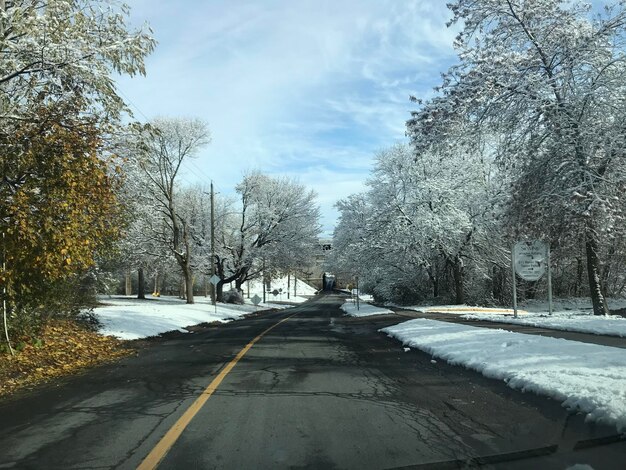
Atlanta Winter Storm Guide: What To Expect And How To Prepare
Winter storms in Atlanta, Georgia are rare, but when they hit, they can be disruptive. Short bursts of snow, sleet, freezing rain, and black ice can shut down roads, delay flights, close schools, and knock out power across the metro area.
This guide explains how winter storms typically affect Atlanta, how to track them, and what practical steps you can take at home, on the road, and around the city.
How Atlanta Winter Storms Typically Happen
Atlanta’s winter weather is usually mild and wet, not snowy. But when cold air and moisture line up just right, the city can see:
- Freezing rain (rain that freezes on contact with surfaces)
- Sleet (ice pellets)
- Light to moderate snow
- Fast-forming black ice on bridges and overpasses
What makes Atlanta winter storms challenging is less the amount of snow and more:
- Limited snow and ice removal equipment compared to colder cities
- Large numbers of drivers not used to winter road conditions
- Hilly terrain and many elevated highways, ramps, and bridges
A small amount of frozen precipitation can have a big impact here.
Winter Storm Alerts You’ll See In Atlanta
You’ll often hear about watches, advisories, and warnings from:
- National Weather Service (NWS) – Peachtree City office
- City of Atlanta alerts
- Fulton, DeKalb, Cobb, Gwinnett, and Clayton County agencies
- Local TV and radio stations
Here’s a simple breakdown of what those alerts usually mean for Atlanta:
| Alert Type | What It Means For Atlanta | Typical Response |
|---|---|---|
| Winter Weather Advisory | Light snow/ice is expected; travel may be slippery, especially at night and early morning. | Use caution driving, monitor school/office updates. |
| Winter Storm Watch | Conditions are favorable for more significant ice or snow in the next 24–48 hours. | Start preparations; adjust travel and work plans. |
| Winter Storm Warning | Significant snow, sleet, or ice is expected or already happening. | Avoid non-essential travel; expect closures and possible outages. |
| Ice Storm Warning | Damaging amounts of ice are likely. | High risk of power outages and tree damage; stay home if possible. |
When any of these are issued, Atlanta may:
- Delay or close schools
- Reduce or pause some MARTA bus routes
- Pre-treat major roads and bridges with brine or salt
- Open or staff warming centers for vulnerable residents
Common Impacts of an Atlanta Winter Storm
Roads and Traffic
Even light ice can cause big problems on Atlanta roads, especially:
- Interstates: I‑285, I‑75, I‑85, I‑20, GA‑400
- Elevated sections and ramps (e.g., Downtown Connector, major interchanges)
- Bridges over the Chattahoochee River and railroad tracks
Common issues:
- Black ice overnight and early morning
- Multi-car accidents and jackknifed trucks
- Abandoned vehicles on highways
- Major slowdowns on key commuter routes
During active icing or snow:
- Try to avoid driving, especially on hills, bridges, and interstates.
- If you must drive, stay on main roads that are more likely to be treated.
Power Outages
Freezing rain often causes more trouble than snow in Atlanta. Ice can:
- Weigh down tree limbs, causing them to fall on power lines
- Snap lines and damage poles
- Cut power to entire neighborhoods
Outages are more likely in:
- Older neighborhoods with large trees (Grant Park, Druid Hills, Inman Park, parts of Buckhead)
- Areas with above-ground power lines
Keep the number for your utility handy:
- Georgia Power – Outage Reporting: 1‑888‑891‑0938
- Many city residents are also served by electric membership cooperatives (EMCs); check your bill for your provider’s outage number.
Schools, Offices, and City Services
During winter storms, you can expect:
- Possible closures or delays from Atlanta Public Schools and surrounding districts
- Telework encouraged by many downtown and midtown employers
- Delays in trash/recycling pickup and some city services
Check local news, school district websites, or employer messages for the latest details.
Airport and Transit
- Hartsfield-Jackson Atlanta International Airport (ATL) may experience:
- Flight delays or cancellations
- De-icing operations that slow boarding and departures
- MARTA may:
- Scale back some bus routes on icy roads
- Run rail on modified schedules if conditions worsen
If you’re traveling:
- Check your airline and MARTA service updates before heading out.
- Build in extra time to get to the airport if roads are affected.
How To Prepare For a Winter Storm in Atlanta
Even though big winter storms are infrequent, a bit of preparation goes a long way.
Home Preparation Checklist
Aim to be comfortable at home for a couple of days without needing to drive:
🥫 Food and Water
- Non-perishable foods that don’t require cooking
- Drinking water (especially if you rely on electric-powered filtration or well pumps)
🔦 Light and Power
- Flashlights and extra batteries
- Fully charged phones and backup power banks
🌡️ Warmth
- Extra blankets, warm clothing, hats, and gloves
- If you have a fireplace, dry wood and a safe ventilation setup
💊 Essentials
- Regular medications filled ahead of the storm
- Basic first-aid supplies
🐾 Pets
- Extra pet food and any pet medications
- A plan to keep pets indoors and warm
If your home uses natural gas for heating, it may still work during a power outage, but electric-powered blowers and thermostats may not. Use alternative heat sources safely and never bring grills or generators inside.
Vehicle and Travel Readiness
If you live in or around Atlanta and own a car:
- ✅ Keep at least half a tank of gas, especially when winter weather is in the forecast.
- ✅ Check your tire tread and pressure; good tires grip better on wet and slushy roads.
- ✅ Store a small kit:
- Ice scraper or brush
- Small blanket
- Phone car charger
- Snacks and water
If your vehicle is parked in a steep driveway or on-street in a hilly area, consider moving it to a flatter spot before a major storm if it’s safe to do so.
Where To Get Reliable Winter Weather Information in Atlanta
When winter weather threatens metro Atlanta, rely on official and local sources:
Weather and Emergency Offices
National Weather Service – Atlanta/Peachtree City Office
Issues watches, warnings, and advisories for Atlanta and surrounding counties.Atlanta-Fulton County Emergency Management Agency (AFCEMA)
Coordinates emergency response and public information during storms.Georgia Emergency Management and Homeland Security Agency (GEMA/HS)
Shares statewide updates and preparedness guidance.
These agencies typically update through TV, radio, and public alert systems.
Local Government and Services
City of Atlanta Government
Shares road treatment plans, warming center info, service changes, and closures.Fulton and DeKalb County Governments (and adjacent counties)
Provide updates on county roads, facilities, and emergency resources.Atlanta Public Schools (APS) and nearby school districts
Announce delays, early dismissals, or closures when winter weather hits.
Transit and Travel
MARTA Customer Service: 404‑848‑5000
For route and service changes during winter storms.Hartsfield-Jackson Atlanta International Airport
Check your airline or airport announcements for delays and cancellations.
Warming Centers and Help During Severe Cold
During significant cold snaps or winter storms, the City of Atlanta may open warming centers to help residents without reliable heat.
Common host locations (which can vary by event) include:
- City recreation centers
- Community centers
- Partner nonprofit and faith-based facilities
To find out what’s open:
- Check City of Atlanta announcements
- Listen to local TV and radio
- Contact Atlanta 3‑1‑1 (non-emergency city information line)
If you or someone you know relies on electric medical equipment, it can be helpful to:
- Talk with your power provider ahead of time about any medical priority registration options they may offer.
- Have backup batteries or a contingency plan, if possible, in case of a prolonged outage.
Staying Safe During an Atlanta Winter Storm
A few focused habits can keep you safer when winter weather hits the metro area:
On the Road
- Avoid driving if ice, sleet, or snow is actively falling or roads are already slick.
- If you must drive:
- Go slowly and increase following distance.
- Use gentle braking and acceleration.
- Avoid sudden lane changes and sharp turns.
- Watch for trouble spots: bridges, overpasses, shaded curves, and steep hills.
If your vehicle starts to slide, ease off the gas and steer gently in the direction you want to go. Avoid slamming on the brakes.
At Home
- Use space heaters according to manufacturer instructions, keeping them:
- On stable surfaces
- At least several feet away from curtains, furniture, and bedding
- Never run generators, charcoal grills, or gas stoves indoors due to risks from fumes.
- Keep walkways, steps, and porches as clear as possible and use sand or non-clumping kitty litter for traction if de-icer is not available.
Walking Around the City
Sidewalks in Atlanta are often not treated like main roads. When walking:
- Wear shoes with good traction.
- Take shorter steps, especially on:
- Smooth concrete
- Brick walkways
- Metal grates and stairs
- Use railings where available, particularly at MARTA stations, parking garages, and steep sidewalks in neighborhoods like Midtown and Downtown.
What Visitors to Atlanta Should Know
If you’re visiting Atlanta during winter and a storm is forecast:
- Build flexibility into your travel schedule in case of airport delays.
- Understand that a “small” amount of snow or ice can still cause large disruptions citywide.
- Expect:
- Possible late openings or closures for attractions
- Restaurant schedule changes
- Reduced ride-hailing and delivery availability in icy conditions
Staying at a hotel near MARTA rail or walking distance to key spots can make things easier if roads become difficult to drive.
Quick Winter Storm Readiness Snapshot for Atlanta
Before a storm:
- Monitor local forecasts and official alerts
- Stock essentials for 2–3 days at home
- Fill prescriptions and charge devices
- Top off your gas tank and gather car basics
During a storm:
- Stay off the roads if at all possible
- Follow outage and service updates from your power company and local agencies
- Use heat sources safely and check on neighbors who may need help
After a storm:
- Watch for lingering black ice, especially overnight and early morning
- Be patient as schools, offices, and MARTA return to normal operations
- Report downed trees or power lines to the appropriate utility or city service
Understanding how winter storms work in Atlanta—and how the city responds—helps you make safer, calmer decisions when cold, ice, or snow move in.