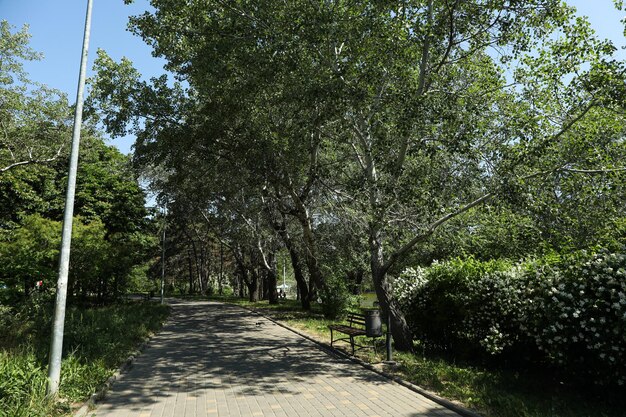
Kirkwood is one of those Atlanta neighborhoods that feels like a true community: walkable streets, historic homes, neighborhood festivals, and a strong sense of identity. Whether you’re thinking about moving to Kirkwood, spending a weekend exploring, or just trying to understand how it fits into Atlanta’s broader landscape, this guide walks you through what to know.
Kirkwood is an intown neighborhood on Atlanta’s east side, within the city limits.
It’s roughly:
Kirkwood sits inside the City of Atlanta (Fulton/DeKalb side of town) and is part of Atlanta’s system of Neighborhood Planning Units (NPU-O), which gives residents an organized way to weigh in on local decisions like zoning and development.
For everyday driving, Memorial Drive, DeKalb Avenue, Hosea L. Williams Drive, and Moreland Avenue are the main corridors that connect Kirkwood to the rest of the city.
If you ask locals to describe Kirkwood, you’ll typically hear words like:
Kirkwood developed as a streetcar suburb in the late 1800s and early 1900s, and you can still see that history in:
Many homes have been restored or updated, but the neighborhood has worked to keep a village feel rather than turning into all-new construction.
Like many intown Atlanta neighborhoods, Kirkwood has seen:
Neighborhood organizations and local meetings play a big role in how development is discussed and shaped.
One of the main appeals of Kirkwood is that it’s easier than many suburbs for car-light or multi-modal living.
From Kirkwood, typical drive times (without heavy traffic) are:
Common routes:
While there isn’t a MARTA rail station in Kirkwood itself, you’re close to several:
Many residents:
Inside the neighborhood:
For regional biking and walking, access to the PATH trail network and proximity to future or existing Atlanta BeltLine segments are key considerations for many residents.
Kirkwood has become a high-demand intown neighborhood, especially for people who want character homes but still be close to the city’s core.
Common housing types:
Things locals often pay attention to:
If you’re renting or buying, it’s common to compare Kirkwood with nearby neighborhoods like East Lake, Edgewood, and Oakhurst to balance space, price, and feel.
Kirkwood is within the Atlanta Public Schools (APS) system.
Families often look at:
Because school zones and offerings can change, most families:
Kirkwood residents have access to several nearby parks and green spaces that are central to neighborhood life.
Within or very close to the neighborhood, you’ll find:
Kirkwood Urban Forest Preserve
Smaller neighborhood green spaces and playgrounds that are used for:
Just outside the neighborhood, it’s easy to access:
For families, dog owners, and runners, the mix of urban convenience and accessible green space is one of Kirkwood’s biggest perks.
Kirkwood’s commercial activity centers on its “downtown” strip, especially around:
Here you’ll find a mix of:
Residents commonly:
Because the Kirkwood commercial core is compact, it has a “village center” feel—many people know their baristas, bartenders, and shop owners by name.
Kirkwood is known for its active neighborhood culture and annual events that draw people from across Atlanta.
Some of the most well-known happenings include:
Kirkwood Spring Fling & Tour of Homes
B*ATL (Battle of Atlanta commemorations)
Seasonal events and porch parties
Kirkwood has an active neighborhood association, and residents often participate in:
For anyone moving in, engaging with these groups is often the easiest way to meet neighbors and stay informed about changes on your street and beyond.
As an intown Atlanta neighborhood, Kirkwood offers a mix of urban convenience and community connection, but it also shares the typical city concerns.
Residents commonly:
Many people find that being visibly engaged in neighborhood life—attending meetings, supporting local businesses, and using public spaces—contributes positively to the overall sense of safety.
If you’re trying to understand how Kirkwood compares, it’s useful to look at nearby neighborhoods.
| Area | General Feel | Walkability to Restaurants/Shops | Housing Character |
|---|---|---|---|
| Kirkwood | Historic, community-focused, active | Strong around Hosea + 2nd | Bungalows, cottages, some new builds |
| Edgewood | More urban/industrial mix, in-flux | Good near Edgewood Retail District | Mix of older homes and newer infill |
| East Lake | Residential, golf-adjacent, quieter | Limited but growing | Cottages, ranch homes, renovations |
| Oakhurst | Village feel, very walkable | Excellent near Oakhurst Village | Craftsman homes, high renovation level |
| Candler Park | Leafy, park-centric, established | Strong near McLendon Ave | Historic homes, higher price points |
This kind of comparison helps many Atlantans decide:
If you live in, or plan to move to, Kirkwood Atlanta, you’ll interact with several city and county services.
Most day-to-day services are handled by the City of Atlanta:
Customer Service / ATL 311
City of Atlanta Department of Public Works
Atlanta Police Department (APD)
Kirkwood’s specific APD zone and local contact information are typically shared at neighborhood meetings and on association communications.
Portions of the east side are in DeKalb County, and Kirkwood residents may interact with DeKalb for:
Checking both City of Atlanta and DeKalb County resources is common when you’re dealing with property records, zoning, or boundary questions near the edges of neighborhoods.
Whether you’re just stopping by for the afternoon or planning a relocation, a few practical pointers can make things smoother.
Parking:
Getting There Without a Car:
Timing:
Walk the Streets at Different Times
Check Zoning and Permits
Engage Early with the Neighborhood Association
For many Atlantans, Kirkwood hits a sweet spot:
If you’re looking for an intown Atlanta neighborhood that blends history, community spirit, and everyday convenience, Kirkwood is one of the first places locals will tell you to explore.