
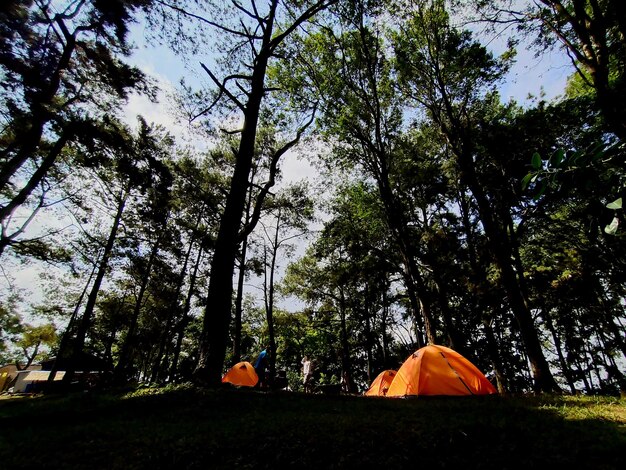
The Best Camping Near Atlanta: Where to Go, What to Know, and How to Plan
Camping near Atlanta, Georgia is easier than many people realize. Within 30 minutes to 2 hours of downtown, you can find everything from lakefront RV sites with hookups to quiet, backcountry tent spots in the North Georgia mountains.
This guide focuses on camping options that make sense if you live in Atlanta or are visiting the city and want to get outdoors without a major road trip.
How Far Do You Need to Drive to Camp Near Atlanta?
When people say “camping near Atlanta,” they usually mean one of three ranges:
- In/very near the metro (under 45 minutes): places like Stone Mountain Park, Red Top Mountain State Park, and McIntosh Reserve Park.
- About 1–1.5 hours away: popular lakes, easy-access state parks, and some North Georgia foothills.
- About 2 hours away: gateway areas to the Blue Ridge Mountains, Chattahoochee National Forest, and more remote campgrounds.
Use this simple overview to match your time and comfort level:
| Drive Time from Downtown | Typical Experience | Best For |
|---|---|---|
| 30–45 minutes | Developed campgrounds, families, day trips | First-time campers, quick getaways, kids |
| 1–1.5 hours | Lakes, rivers, more space & scenery | Weekend trips, boating, fishing, casual campers |
| 1.5–2+ hours | Mountains, hiking, cooler temps | Hikers, backpackers, longer or more rustic trips |
Great Campgrounds Within About 45 Minutes of Atlanta
Stone Mountain Park Campground (East of Atlanta)
Why it’s popular for Atlantans:
Stone Mountain is one of the closest full-service camping areas to many in-town neighborhoods.
What to expect:
- Types of camping: RV sites (with hookups), tent sites, and some yurts or rental units (availability varies).
- Setting: Wooded sites around Stone Mountain Lake, with views of the mountain from some areas.
- Activities nearby: hiking, walking trails, boating on the lake, miniature golf, and seasonal park attractions.
Good for:
Families, first-time campers, and anyone who wants to stay close to the city and still have plenty of structured things to do.
Red Top Mountain State Park (North of Atlanta, Lake Allatoona)
Red Top Mountain, near Acworth, is a favorite for people coming from central and north Atlanta.
Highlights:
Drive: roughly 40–60 minutes from much of Atlanta, depending on traffic.
Camping options:
- Developed campground with electric/water sites for tents and RVs
- Some hike-in or walk-in sites at times
- Cabins and cottages (if you want a mixed group: some camp, some do cabins)
Activities:
- Miles of hiking trails (including lake-view trails)
- Swimming beach on Lake Allatoona
- Fishing and boating (rentals available nearby in the area)
Why locals like it:
Close enough for one-night camping from Atlanta, with a genuine “woods and lake” feel that doesn’t feel overly urban.
McIntosh Reserve Park (Southwest of Atlanta)
Located along the Chattahoochee River near Whitesburg, this Carroll County park is often used by people in south and west metro Atlanta who want something a bit quieter than the usual big state parks.
Expect:
- Primitive and developed sites (check what’s currently offered when booking).
- River access for paddling or just relaxing by the water.
- Day-use areas, trails, and open fields.
Good for:
Small groups, people who live on the west side of the metro, and those who prefer a less commercial feel.
For the most current details, you can contact Carroll County Recreation offices (search for McIntosh Reserve Park through Carroll County government listings).
State Park Camping Near Atlanta (1–2 Hours Away)
Georgia’s state parks are some of the most reliable and beginner-friendly camping options near Atlanta. They typically offer:
- Online reservations
- Clearly marked campsites
- Bathhouses with showers and toilets
- Basic rules that keep things relatively predictable
Here are some of the most commonly used state parks near Atlanta for camping.
Fort Yargo State Park (Winder, East of Atlanta)
Fort Yargo is a strong choice if you’re coming from east or northeast Atlanta, or if you’re pairing camping with time in Athens.
Key features:
- Large lake with swimming beach, paddling, and fishing
- Multi-use trails for hiking and biking
- Campground with RV and tent sites, plus yurts and cottages
Why consider it:
It offers that “lake weekend” vibe many Atlantans want, with a manageable drive for a Friday-evening departure after work.
High Falls State Park (South of Atlanta)
Located off I‑75 south of Atlanta, High Falls State Park is centered on the Towaliga River and a waterfall area.
What you’ll find:
- Campground along the water and near wooded areas
- Fishing and paddling opportunities
- Short hiking trails with waterfall and river views
Best for:
Easy access if you live in south metro Atlanta or you’re heading toward Macon or the coast and want to break up the trip with a camping stop.
Sweetwater Creek State Park (Day Trip & Limited Camping)
While Sweetwater Creek is best known for hiking near Atlanta, it has limited camping options (such as yurts or group camping, depending on current operations).
Why it matters for Atlanta campers:
- A good “test run” spot if you’re new: spend the day hiking and visiting the river, then decide if you’re ready to book more traditional camping at other state parks.
- Close enough that you can easily bail out if weather or plans change.
For more comprehensive camping, consider pairing a visit to Sweetwater Creek with an overnight at another nearby park.
Mountain & Forest Camping Within About 2 Hours of Atlanta
If you’re willing to drive a bit farther, you can reach the North Georgia mountains and Chattahoochee-Oconee National Forest areas, which are popular for cooler temperatures and hiking.
Vogel State Park (Near Blairsville)
Vogel is one of Georgia’s classic mountain parks.
Driving time: often around 2–2.5 hours from central Atlanta, depending on traffic and route.
Highlights:
- Scenic mountain lake with a loop trail
- Access to nearby trails in the Chattahoochee National Forest
- Campground with tent and RV sites
Who it suits:
Campers who want that “mountain campground” feel while still having state park amenities like maintained restrooms and marked sites.
Amicalola Falls State Park & Lodge (Gateway to the Appalachian Trail)
Amicalola Falls is best known for its waterfall and hiking, but the area and surrounding forest include camping options.
Nearby camping context:
- The park itself has limited camping plus a lodge and cabins.
- It acts as a jumping-off point to more rustic camping in the surrounding national forest.
- The start of the Approach Trail to Springer Mountain (southern terminus of the Appalachian Trail) is here, which attracts backpackers.
This area is ideal if you want to mix a night in a developed campground with day hikes or short backpacking trips.
National Forest & Backcountry Camping Near Atlanta
Beyond state parks, Atlanta campers often look to Chattahoochee-Oconee National Forest for more flexible camping options.
General patterns you’ll encounter:
Developed national forest campgrounds:
- Marked sites, usually with basic amenities like vault toilets
- Some may have water spigots, picnic tables, and fire rings
- Typically less structured than state parks, but still organized
Dispersed/backcountry camping:
- Often allowed in certain areas, but with rules (e.g., distance from water, pack-out requirements, fire regulations)
- No bathrooms or hookups; you must bring and pack out everything
- Better suited for experienced campers or those who’ve tried state park camping first
If you’re new to this level of camping, reach out to a U.S. Forest Service office that covers North Georgia for current rules and maps. One main contact point is:
Local ranger districts (such as Blue Ridge, Chattooga River, or Conasauga districts) can provide more specific guidance about camping locations, closures, and fire conditions.
Private Campgrounds & RV Parks Near Atlanta
In addition to public lands, many Atlantans use private campgrounds and RV parks within an hour or two of the city.
Common advantages of private campgrounds:
- More hookups (electric, water, and sometimes sewer) for RVs
- On-site amenities like playgrounds, small camp stores, or laundry
- Sometimes longer-term RV stays if you need a temporary base near Atlanta
Tradeoffs:
- Sites may be closer together
- Prices may be higher than basic public campgrounds
- Settings can feel more like a parked RV community than “middle of the woods”
If you’re in an RV or camper van and want to be close to Atlanta attractions, private RV parks just outside the city or near I‑75, I‑85, or I‑20 can be very practical.
Choosing the Right Type of Camping Near Atlanta
Think about how much structure and comfort you want. Here’s a quick guide:
1. Developed Campgrounds (Most State Parks, Stone Mountain, etc.)
Best for:
- Families and beginners
- People who want bathhouses, marked sites, and reservations
- Campers with RVs who need hookups
You’ll usually get:
- Numbered campsites
- Parking pad, tent pad, fire ring, and picnic table
- Restrooms and showers a short walk away
2. Semi-Developed or Primitive Areas
Some county parks, smaller lakes, and certain areas in national forests offer more rustic sites:
- Simpler facilities (pit toilets or no showers)
- Fewer hookups
- More natural surroundings and less lighting at night
Good step up if you’ve already tried state parks and want quieter, more “wild” camping, while staying within a 1–2 hour drive of Atlanta.
3. Backcountry or Dispersed Camping
This is the most rugged style and is common in North Georgia forest areas.
Expect:
- No facilities (you need to manage water, waste, and fire safety responsibly)
- Hiking in with your gear
- Following Leave No Trace principles
This is not usually where people start if they’re new to camping near Atlanta, but it’s a natural progression once you’re comfortable with gear and basic outdoor skills.
How to Reserve Campsites Near Atlanta
Most public campgrounds and many private ones near Atlanta use online reservation systems.
Typical steps:
Choose your park or area
Decide if you want a state park, county park, national forest campground, or private RV park.Check availability and site type
- Look for terms like “tent only,” “RV,” “electric/water,” “primitive,” or “yurt.”
- In busy seasons (spring and fall in Georgia), weekend sites can book up well in advance, especially at popular parks like Red Top Mountain and Fort Yargo.
Review site details
Check:- Maximum length for RVs
- Number of people allowed per site
- Pet rules
- Quiet hours
Call if you’re unsure
If you’re new to camping, park offices can often suggest good beginner-friendly loops or sites.
For Georgia State Parks, many Atlantans use the centralized reservation system managed by the Georgia Department of Natural Resources (DNR). General information can often be obtained via:
Seasonal Considerations for Camping Near Atlanta
When to Go
Spring (March–May):
Comfortable temperatures, but can be wet. Popular for wildflowers in North Georgia and mild lake trips closer to the city.Summer (June–August):
Hot and humid near Atlanta. Lakes and mountain campgrounds are especially popular. Many campers seek higher elevations for cooler nights.Fall (September–November):
Often considered the best camping season near Atlanta. Lower humidity, fewer insects, and fall color in the mountains.Winter (December–February):
Many campgrounds remain open, but nights can be cold, especially in the mountains. Good for those who prefer quiet campgrounds and don’t mind bundling up.
What to Pack for Camping Near Atlanta
Campgrounds near Atlanta range from very developed to quite rustic, but a basic checklist helps either way:
Essentials:
- Tent, ground cloth, and stakes
- Sleeping bag appropriate for the season
- Sleeping pad or air mattress
- Headlamp or flashlight with extra batteries
- Basic first-aid kit
- Drinking water or reliable water treatment (if not guaranteed on-site)
- Food, cooler, and cooking gear (stove or grill-safe setup)
- Trash bags (many parks require you to pack out or use central bins)
Nice-to-have for Georgia conditions:
- Bug protection: insect repellent, long sleeves, and possibly a screened shelter in buggy months
- Sun protection: hat, sunscreen, sunglasses
- Rain gear and extra dry clothing, especially in spring and summer
- Camp chairs for around the fire ring
Before you head out, check your specific campground’s rules about firewood, charcoal, alcohol, and pets. These can vary between county parks, state parks, and national forest areas.
Safety and Rules to Know Near Atlanta
Wherever you camp near Atlanta, you’ll encounter some common guidelines:
Quiet hours: Most developed campgrounds set quiet hours, often starting around 10 p.m.
Wildlife:
- In metro-adjacent parks, you’ll mostly see small wildlife (raccoons, squirrels, birds).
- In mountain and forest areas, you may encounter black bears. Keep food secured and follow all posted instructions.
Campfire rules:
- Use only designated fire rings if provided.
- Follow current fire restrictions, especially in late summer or drought conditions.
Water safety:
Lakes and rivers near Atlanta can be busy. If you’re boating or paddling, follow Georgia boating regulations and use life jackets as recommended.
For up-to-date rules in North Georgia forest areas, the Chattahoochee-Oconee National Forests Supervisor’s Office (770‑297‑3000) and local ranger stations are good resources. For state parks, the Georgia DNR’s State Parks & Historic Sites division can provide current guidelines and advisories.
Quick Tips for First-Time Campers from Atlanta
- Start close: Try a single night at a developed campground like Red Top Mountain, Fort Yargo, or Stone Mountain before planning a longer or more remote trip.
- Arrive with daylight: Navigating new campgrounds is much easier if you can set up before dark.
- Think about traffic: Leaving Atlanta on Friday after work often means congestion. When possible, leave earlier or later, or choose a campground on the side of town that matches where you live.
- Check the weather carefully: Georgia storms can develop quickly, especially in warm months. Pack for rain and changing temperatures, even on a nice forecast.
- Reserve early for peak times: Popular weekends in spring and fall can book up at many parks within a few hours’ drive of Atlanta.
Camping near Atlanta gives you plenty of options, whether you want a quick overnight escape within 45 minutes of the city or a full weekend in the North Georgia mountains. By picking the right park or forest area, making a reservation where needed, and packing with Georgia’s climate in mind, you can enjoy the outdoors without traveling far from Atlanta.