
Atlanta Wrecker Sales: How to Buy Tow Trucks and Recovery Equipment in Metro Atlanta
If you’re looking for Atlanta wrecker sales—whether you’re starting a towing business, expanding an existing fleet, or upgrading older trucks—Atlanta is a major regional hub for wrecker, rollback, and tow truck sales. This guide explains how wrecker sales work in the Atlanta area, what to look for, and how local regulations, roads, and business conditions affect your buying decisions.
Understanding the Wrecker Market in Atlanta
Atlanta’s role as a transportation and logistics hub (with busy interstates like I‑285, I‑75, I‑85, and I‑20) creates strong, ongoing demand for:
- Light-duty wreckers for passenger vehicles
- Medium- and heavy-duty wreckers for commercial trucks and buses
- Rollbacks/flatbeds used for local towing and dealer work
- Specialized recovery equipment (winches, wheel lifts, dollies, etc.)
Because of this, the metro area typically has:
- Dedicated wrecker and rollback dealers
- Commercial truck dealers that coordinate wrecker body installs
- Used truck lots with tow trucks and recovery vehicles
- Upfitters and body shops that mount wrecker units on chassis
If you live or do business in Atlanta, Fulton County, or surrounding counties (DeKalb, Cobb, Gwinnett, Clayton, etc.), you’ll find multiple options within a 30–60 minute drive of downtown.
Types of Wreckers Commonly Sold in Atlanta
When browsing wrecker sales in the Atlanta area, you’ll see several main categories. Knowing the differences helps you match your purchase to your workload and local conditions.
Light-Duty Wreckers
These are common in intown Atlanta and dense areas like Midtown, Buckhead, and Downtown.
Typical uses:
- Passenger vehicles and small SUVs
- Private property towing for apartments, retail lots, and HOAs
- Roadside assistance work (lockouts, jump starts, light towing)
Key features:
- Wheel-lift systems
- Lower GVWR (easier to maneuver in tight neighborhoods and parking decks)
- Often built on pickups (like 3500/450/550-class chassis)
Medium-Duty Wreckers
You’ll see more medium-duty units on Atlanta’s interstates and trucking corridors.
Typical uses:
- Box trucks, larger vans, and small commercial vehicles
- Municipal and utility fleet towing
- Long-distance tows around metro Atlanta
Key features:
- Higher towing and recovery capacity
- Stronger boom and winch setups
- More stable on highways like I‑75, I‑85, and I‑285
Heavy-Duty Wreckers
These are used for tractor-trailers, buses, and heavy equipment, especially along freight-heavy routes (I‑285 perimeter, I‑20, I‑75 South toward the airport, etc.).
Typical uses:
- Tractor-trailer recovery
- Bus and coach towing
- Major accident and rollover recovery
Key features:
- Extremely high GVWR and towing capacity
- Multi-stage booms, outriggers, and advanced winch systems
- Often purchased by larger towing and recovery companies serving metro and statewide contracts
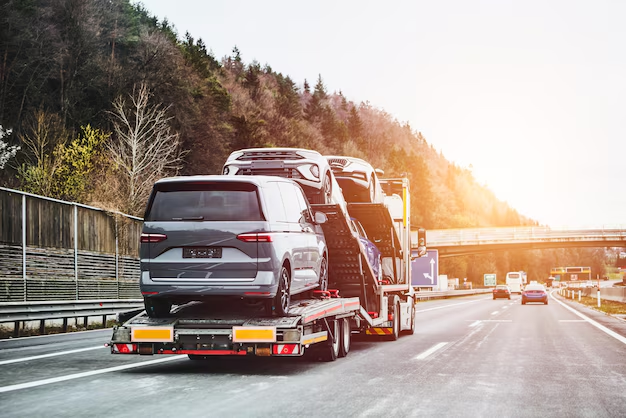
Rollback / Flatbed Tow Trucks
Rollbacks are widely used across the metro Atlanta dealer, auction, and roadside markets.
Typical uses:
- Dealership vehicle transport
- Damaged or all-wheel-drive vehicles
- Exotic and low-clearance cars (common in intown and North Atlanta)
Key features:
- Hydraulic flatbed that tilts and slides
- Easier, low-angle loading
- Ideal for navigating Atlanta’s mix of city streets and suburban neighborhoods
New vs. Used Wreckers in Atlanta
Both new and used wreckers are readily available in the Atlanta area. Your decision usually comes down to budget, downtime tolerance, and how quickly you need to put the truck to work.
Buying New in Metro Atlanta
Pros:
- Full factory warranty on chassis and wrecker body (varies by manufacturer)
- Better reliability for high-mileage interstate work
- Easier financing from commercial lenders
- Can spec the truck for Atlanta conditions (heat, hills, stop-and-go traffic)
Considerations:
- Higher upfront cost
- Lead times if your unit needs to be built or upfitted
- Need to coordinate between chassis dealer and wrecker body installer
Buying Used in Atlanta
Pros:
- Lower purchase price
- Faster to get on the road (if already upfitted)
- Good option for new towing businesses starting in Atlanta
Considerations:
- Check for rust, frame damage, and hydraulic wear
- Verify maintenance records, especially if the truck did heavy interstate or recovery work
- Confirm title status and Georgia registration history
Where Atlanta Buyers Typically Look for Wreckers
Without endorsing any specific companies, here are the common types of places Atlanta buyers check when searching for wrecker sales:
- Specialty wrecker and rollback dealerships in the metro area
- Commercial truck dealers (medium/heavy truck brands) that offer wrecker body packages
- Used commercial truck lots along major truck corridors (for example, near I‑285 and other truck-heavy exits)
- Regional truck auctions that serve Atlanta buyers
- Local upfitters and truck equipment shops that can mount a wrecker body on a chassis you provide
Because businesses can move or rebrand, it’s a good idea to:
- Call ahead to confirm inventory and whether they sell new, used, or both
- Ask if they handle body installs, paint, lighting, and decals in-house
- Find out if they assist with financing or work with Atlanta-area lenders
Atlanta-Specific Factors to Consider Before You Buy
Buying a wrecker in Atlanta is not just about picking a truck; the local environment and regulations matter. Here are key Atlanta-specific points to keep in mind.
1. Licensing and Registration in the Atlanta Area
To operate a wrecker commercially in Atlanta:
You’ll register the truck through the Georgia Department of Revenue – Motor Vehicle Division.
For questions on commercial vehicle registration and titles, you can contact:
- Georgia Department of Revenue – Motor Vehicle Division
4125 Welcome All Rd SW
Atlanta, GA 30349
Phone: (855) 406‑5221 (general motor vehicle inquiries)
- Georgia Department of Revenue – Motor Vehicle Division
You may also need business licenses from:
- City of Atlanta Office of Revenue (for operations within city limits)
- Surrounding counties (Fulton, DeKalb, Cobb, Gwinnett, Clayton) if you base or garage trucks there
Check with your local county tax commissioner’s office for tag and registration details, especially if you’re buying multiple trucks for a fleet.
2. Towing Regulations and Metro Atlanta Law Enforcement
If you plan to perform:
- Non-consensual tows (e.g., private property towing)
- Police rotation or impound towing
You’ll need to comply with rules set by agencies such as:
Atlanta Police Department (APD) – Towing and Impound
Atlanta Public Safety Headquarters
226 Peachtree St SW
Atlanta, GA 30303
Main APD Line: (404) 614‑6544Georgia Public Service Commission (PSC) for certain towing and transportation regulations in the state
244 Washington St SW
Atlanta, GA 30334
Main Line: (404) 656‑4501
These offices can provide guidance on:
- Rotation lists
- Permit requirements
- Consumer rate posting, notice rules, and impound procedures
3. GVWR, Size, and Atlanta’s Roads
Atlanta’s mix of tight in-town streets and busy interstates affects what kind of wrecker you should buy:
- In Downtown, Midtown, and older neighborhoods, smaller wheelbases and light-duty trucks may be easier to maneuver.
- For I‑285, I‑75, I‑85, I‑20, and I‑675 corridors, heavier trucks with more stable highway manners are a better fit.
- Consider bridge clearances, low trees, and parking decks if you serve dense residential or retail areas.
Ask local dealers how their trucks perform in hilly areas (like some parts of West Midtown and Northwest Atlanta) and in summer heat, which can stress cooling systems and hydraulics.
4. Weather and Wear in Atlanta
While Atlanta doesn’t see extreme winter conditions like northern states, there are local factors that matter:
- Summer heat and humidity: Cooling systems, hydraulic fluid, and electrical systems need to be in good shape.
- Occasional ice storms: When they happen, tow demand spikes, so reliability is crucial.
- Stop-and-go traffic: Metro congestion can strain transmissions and brakes, especially for heavier wreckers.
When evaluating used trucks, ask how much of their life was spent in dense urban stop-and-go versus highway miles.
Key Questions to Ask When Shopping Atlanta Wrecker Sales
When you’re speaking with a sales representative, upfitter, or seller in Atlanta, consider asking:
What work was this wrecker used for in the past?
(Light-duty towing, heavy recovery, dealer deliveries, etc.)Has it been used primarily in metro Atlanta or out of state?
This can impact rust, wear, and emissions equipment.Who maintained the truck and where?
Look for regular service at established truck shops.Does it meet all current Georgia and Atlanta requirements for commercial towing, including lighting and safety equipment?
What is the wheelbase and turning radius?
Important for tight Atlanta neighborhoods and parking lots.What is the realistic towing and recovery capacity given local conditions (hills, heat, traffic)?
Can you help coordinate decals, lighting, and equipment specific to Atlanta towing work (cones, signage, safety gear)?
Essential Features for Atlanta Towing and Recovery Work
When comparing specific trucks offered for sale, pay close attention to:
Safety and Visibility
In heavy Atlanta traffic, visibility is critical:
- LED lightbars and work lights
- Reflective striping on the wrecker body
- Adequate emergency lighting for night work on interstates
Recovery and Towing Equipment
Commonly needed gear for Atlanta operators includes:
- Reliable winch with sufficient line capacity for local vehicle sizes
- Wheel lift or underlift system sized for your typical loads
- Dollies for tight spaces and all-wheel-drive vehicles
- Chains, straps, and securing points rated for your loads
Comfort and Cab Features
If your drivers spend a lot of time sitting in Atlanta traffic, cab comfort matters:
- Functional AC (important in Georgia summers)
- Usable storage for paperwork, tools, and safety gear
- Hands-free communication setups (where allowed)
Emissions and Inspection Considerations
In Georgia:
- Medium and heavy trucks may be subject to certain inspection and compliance requirements.
- Some Atlanta-area operations prefer newer models with more modern emissions systems to avoid downtime.
Discuss local compliance needs with:
- Your county tag office
- The Georgia Department of Revenue – Motor Vehicle Division, especially if registering a fleet
Financing and Insurance for Wrecker Purchases in Atlanta
Many Atlanta buyers:
- Use commercial vehicle financing through banks or lenders that understand towing operations.
- Work with insurance providers familiar with Atlanta’s traffic density, accident rates, and towing-specific risks.
When exploring financing:
- Ask if the lender has experience with tow trucks and recovery equipment.
- Confirm down payment expectations and whether they finance both chassis and body together.
For insurance in metro Atlanta:
- Be prepared to describe:
- Your typical service area (intown vs. broader metro)
- Types of calls (police rotation, private property, roadside assistance, dealer work)
- Number of trucks and drivers
Simple Checklist for Buying a Wrecker in Atlanta
Use this quick reference as you compare options in the Atlanta market:
| Step | What to Do | Atlanta-Specific Tip |
|---|---|---|
| 1 | Define your main work (light, medium, heavy, rollback) | Consider where you’ll operate most: intown streets vs. interstates |
| 2 | Decide new vs. used | Factor in local shop access and your tolerance for downtime |
| 3 | Verify title and history | Confirm Georgia registration and any prior commercial use |
| 4 | Inspect condition | Focus on hydraulics, frame, lighting, and cooling for hot traffic |
| 5 | Check capacity and size | Make sure it fits tight Atlanta lots and your typical loads |
| 6 | Confirm compliance | Check with APD/PSC if you plan on rotation or non-consensual towing |
| 7 | Arrange financing and insurance | Use lenders and insurers familiar with metro Atlanta towing |
| 8 | Register and tag the truck | Work through Georgia DOR and your county tax office |
Practical Next Steps for Atlanta Buyers
If you’re ready to move forward with Atlanta wrecker sales, here’s a simple action plan:
Clarify your primary service area
Decide if you’ll mainly serve Downtown/Midtown, outer suburbs, or interstate corridors. This guides truck size and configuration.List your must-have features
Capacity, type (wrecker vs. rollback), cab style, lighting, winch specs, and GVWR limits.Contact local commercial truck and wrecker dealers
Ask what they currently have in stock for the Atlanta market and whether they can source or build to your specs.Talk with the Georgia DOR Motor Vehicle Division or your county tag office
Confirm registration, titling, and any special requirements for your truck class.If planning to handle police, impound, or non-consensual tows, reach out to:
- Atlanta Police Department – Towing and Impound (for city procedures)
- Georgia Public Service Commission (for statewide towing-related rules)
By focusing on local roads, regulations, and real operating conditions in Atlanta, you can choose wrecker equipment that not only fits your budget but also performs reliably across the city and the wider metro area.