
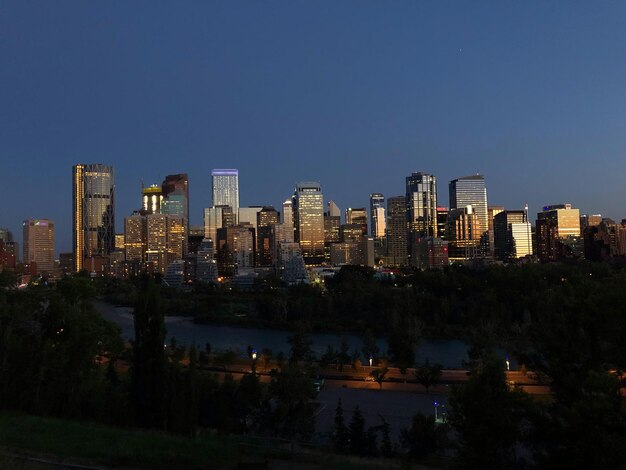
A Local’s Guide to the Perfect Picture of Atlanta
If you ask for “a picture of Atlanta,” you’re really asking for more than a single image. Atlanta is skyscrapers and tree canopies, Civil Rights history and hip-hop culture, sports stadiums and quiet neighborhoods. This guide walks you through where and how to capture Atlanta in photos—whether you’re a local exploring your own city, a visitor with a day to spare, or someone trying to understand what Atlanta really looks and feels like.
What Does “A Picture of Atlanta” Look Like?
For most people, a true picture of Atlanta includes a mix of:
- Skyline views (downtown, Midtown, Buckhead)
- Historic and Civil Rights landmarks
- Street art and murals
- Neighborhood life (Old Fourth Ward, Westside, East Atlanta, Buckhead)
- Nature in the city (parks, trails, BeltLine)
- Sports and entertainment hubs
You likely won’t get this all in one frame—but you can plan photos that, together, tell a full, authentic story of Atlanta.
Iconic Skyline Spots: The Classic “Atlanta Picture”
If you want the postcard-style photo of Atlanta, start with the skyline. These locations are widely used by locals, media, and visitors for the classic city shot.
Jackson Street Bridge (Old Fourth Ward/Inman Park area)
- Why it’s famous: One of the most-photographed skyline views of downtown Atlanta.
- What you see: I-75/85 Downtown Connector with the high-rises in the background.
- Best time: Sunset and blue hour (just after sunset) for colorful skies and car light trails.
Tips:
- Arrive a bit early—this bridge gets busy at golden hour.
- Be mindful that this is a road bridge with pedestrian walkways; stay out of traffic and be respectful of neighbors.
Downtown & Centennial Olympic Park Area
- Landmarks in frame: SkyView Atlanta Ferris wheel, State Capitol dome in the distance, Mercedes-Benz Stadium nearby, World of Coca-Cola and Georgia Aquarium in walking distance.
- Best for: A “city day out” photo showing Atlanta’s tourist core.
Good photo spots include:
- Centennial Olympic Park open spaces and fountains
- Streets around SkyView Atlanta for urban backgrounds
Piedmont Park & Midtown Skyline
- Why locals love it: Midtown’s towers rising behind open park space and Lake Clara Meer.
- Best time: Early morning or late afternoon for softer light and fewer crowds.
Popular photo angles:
- Across the lake, facing the Midtown skyline
- From the park’s Active Oval, with running tracks and towers in the background
Buckhead’s Modern City Look
For a more polished, business-focused view of Atlanta:
- Peachtree Road in Buckhead: High-end retail, office towers, and hotels.
- PATH400 Trail: Offers some unique elevated views where greenery meets glass towers.
This can be a good counterpart to the more historic or gritty urban photos from other parts of town.
Civil Rights, History, and Culture in One Frame
A true picture of Atlanta should reflect its central role in Civil Rights history and Black cultural life.
The King Historic District (Old Fourth Ward)
Within a small walkable area, you can capture:
- The King Center
- Martin Luther King Jr. National Historical Park
- Ebenezer Baptist Church
- MLK Jr.’s birth home (exterior)
These locations together create powerful images that show Atlanta as the “Cradle of the Civil Rights Movement.”
📸 Photo ideas:
- The exterior of Ebenezer Baptist Church with people coming and going
- The eternal flame near The King Center
- Street scenes on Auburn Avenue, once called “Sweet Auburn,” a historic Black business district
Auburn Avenue & Sweet Auburn
Even beyond the King sites, Auburn Avenue gives you:
- Older storefronts and historic buildings
- Murals and street art
- A mix of long-time residents, visitors, and newer development
Try capturing old signs and historic buildings alongside newer developments to show how Atlanta’s history and growth intersect.
Atlanta’s Museums & Cultural Institutions
You can’t always take photos everywhere inside, but even exteriors and public areas can visually represent Atlanta’s cultural life:
- Atlanta History Center (Buckhead) – historic homes, gardens, and exhibits about the city’s past.
- National Center for Civil and Human Rights (downtown) – modern architecture, especially striking at dusk.
- High Museum of Art (Midtown) – white modernist buildings and sculpture courtyard.
These sites give you a more refined, institutional look at Atlanta’s arts and history scene.
Street Art and Murals: Atlanta’s Creative Side
Atlanta’s murals and street art are some of the most visually striking ways to capture the city’s personality.
Atlanta BeltLine Eastside Trail
Running through neighborhoods like Inman Park, Old Fourth Ward, and Midtown, the BeltLine features:
- Constantly changing murals and installations
- People biking, walking, and skating
- Industrial backdrops turned into colorful art spaces
📸 Best spots along or near the Eastside Trail:
- Underpasses and retaining walls near Krog Street Tunnel
- Murals around Ponce City Market
- Art installations scattered along the trail
Krog Street Tunnel
- Look and feel: Layered graffiti, tags, and murals that change frequently.
- Vibe: Gritty, urban, energetic.
It’s one of the most photographed spots in the city for street-style, hip-hop, or alternative looks. If you want “Atlanta edge” in your picture, this is a strong choice.
Cabbagetown & Edgewood
Neighborhoods like Cabbagetown and stretches of Edgewood Avenue feature:
- Bright murals on older brick buildings
- Small local businesses and bars as backdrops
- Narrow streets with character
These areas show the neighborhood-level creativity that doesn’t always appear in skyline shots.
Neighborhoods That Tell Atlanta’s Story
To understand Atlanta visually, it helps to think of it as a city of neighborhoods, each with its own look.
Old Fourth Ward
- Mix of historic homes, modern apartments, and old industrial spaces.
- Access to BeltLine, Ponce City Market, and the King Historic District.
Your photos here can show old and new Atlanta colliding in one neighborhood.
West Midtown & Westside Provisions Area
- Former industrial district turned into a popular dining and shopping area.
- Exposed brick, steel beams, and rail lines next to modern design.
Great for a more industrial-modern, creative professional picture of the city.
East Atlanta Village (EAV)
- Murals, music venues, independent shops.
- Nightlife visuals: neon signs, bar fronts, and crowds on weekends.
If you want a picture of Atlanta’s indie and music culture, EAV works well.
Buckhead Villages & Luxury Corridors
- Upscale shopping streets and newer developments.
- Sleek, high-end look—useful if you want the “modern, upscale Atlanta” image.
Green Atlanta: Capturing the “City in a Forest”
Atlanta is often described as a city in a forest, and that’s a real part of its visual identity.
Piedmont Park
Beyond skyline views, you’ll find:
- Lakes, open fields, and tree-lined paths
- Dog parks, playgrounds, and weekend festivals
You can capture how Atlantans use outdoor space—picnics, pickup games, and strolls with the skyline just beyond the trees.
Atlanta BeltLine Trails
Different segments of the BeltLine offer:
- Art + nature + city views in one frame
- Families, commuters, and joggers using the path
This is a great way to show modern Atlanta lifestyle rather than just buildings.
Local Parks and Nature Spots
Consider spacing your photos in:
- Grant Park – near Zoo Atlanta, with historic homes nearby
- Chastain Park – larger parkland in Buckhead, active with sports and events
- Freedom Park – green corridor near the Carter Center and Inman Park
Images from these areas highlight how green and spread out much of Atlanta really is.
Events, Sports, and Nightlife in Pictures
Atlanta’s energy changes from day to night. If your goal is a full “picture of life in Atlanta,” include some event or nightlife images.
Major Sports Venues
These sites are powerful visual symbols:
- Mercedes-Benz Stadium – home of the Falcons and Atlanta United
- State Farm Arena – home of the Hawks
- Truist Park (Cumberland area just outside Atlanta city limits, but visually part of the local story) – home of the Braves
📸 Ideas:
- Stadium exteriors lit up at night
- Crowds in team colors before or after a game
- Downtown scenes when events are letting out
Nightlife Districts
Key corridors with strong visuals at night:
- Edgewood Avenue – busy bar and nightlife scene, younger and more eclectic
- Midtown (Peachtree Street and nearby) – clubs, lounges, and colorful lights
- Buckhead nightlife areas – more upscale, with busy intersections and high-rise backdrops
These photos help show the social, after-hours side of Atlanta.
Simple Overview: Where to Photograph Different “Sides” of Atlanta
Below is a quick reference to match the type of picture you want with Atlanta locations that usually work well.
| If you want a picture of… | Good Atlanta spots to try |
|---|---|
| Classic skyline | Jackson Street Bridge, Piedmont Park (Midtown view), Downtown around SkyView |
| Civil Rights & history | King Historic District, Auburn Avenue/Sweet Auburn, National Center exterior |
| Street art & creativity | BeltLine Eastside Trail, Krog Street Tunnel, Cabbagetown, Edgewood murals |
| Neighborhood life | Old Fourth Ward, East Atlanta Village, West Midtown, Inman Park |
| Green, “city in a forest” vibe | Piedmont Park, Freedom Park, Grant Park, BeltLine trails |
| Sports & big events | Mercedes-Benz Stadium, State Farm Arena, Truist Park area |
| Nightlife & energy | Midtown, Edgewood Avenue, Buckhead nightlife blocks |
Use this as a planning checklist if you’re trying to build a well-rounded visual story of Atlanta in a day or weekend.
Practical Tips for Getting Great Atlanta Photos
A few local-focused pointers can make your “picture of Atlanta” both better-looking and more authentic.
1. Time of Day Matters
- Morning: Softer light, fewer people. Great for Piedmont Park, BeltLine, and skyline shots.
- Late afternoon / golden hour: Best for Jackson Street Bridge, Midtown skyline, and neighborhood streets.
- Night: Ideal for downtown lights, stadiums, nightlife areas, and some murals with good lighting.
2. Weather and Seasons
- Spring (dogwoods, azaleas) and fall (changing trees) bring extra color to parks and neighborhoods.
- Summer can be hazy and hot; plan around early mornings or evenings.
- Winter has clearer air on some days, which can sharpen skyline views.
3. Respectful and Legal Photography
Atlanta is generally welcoming to photographers, but keep in mind:
- Private property: Sidewalks and public streets are usually fine, but avoid blocking entrances or trespassing on posted property.
- Residential neighborhoods: Be mindful of residents’ privacy—don’t aim long lenses into windows or private yards.
- Professional shoots: If you’re doing a large commercial shoot, check whether you need permits, especially in major parks or city-controlled venues.
For official questions, you can reach out to:
- City of Atlanta Mayor’s Office of Film & Entertainment
55 Trinity Avenue SW, Atlanta, GA 30303
Main City Hall line: 404-330-6000 (ask to be directed to film/production permitting)
4. Getting Around for Photos
Traffic is a real factor in Atlanta. For a day of shooting:
- Cluster locations: For example, do downtown + Centennial Olympic Park + Mercedes-Benz Stadium in one block of time; BeltLine + Ponce City Market + Old Fourth Ward + Krog Street in another.
- Consider MARTA for downtown and Midtown areas to avoid parking hassles.
- Allow extra time between far-flung spots like Buckhead, Westside, and East Atlanta.
If You Only Have Half a Day: A Sample “Picture of Atlanta” Plan
If you’re tight on time but want your camera roll to really represent Atlanta, this simple loop covers a lot:
Morning at Piedmont Park
- Midtown skyline + green space + local joggers and dog walkers.
Midday on the BeltLine Eastside Trail & Ponce City Market area
- Murals, trail life, adaptive reuse of industrial buildings.
Afternoon in the King Historic District / Auburn Avenue
- Civil Rights landmarks and historic neighborhood textures.
Sunset at Jackson Street Bridge
- Classic skyline for your “this is Atlanta” hero shot.
That sequence gives you history, skyline, nature, art, and neighborhood life in just a few hours—about as close as you’ll get to a complete “picture of Atlanta” in a single outing.
A single frame can’t capture all of Atlanta, but with the right locations and a bit of planning, your photos can tell a story that feels true to the city: historic and modern, green and urban, grounded and constantly changing.