
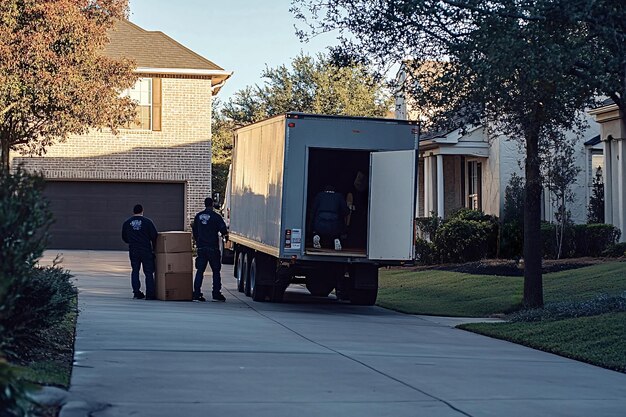
Moving in Metro Atlanta with A Lifetime Movement Movers: What to Know
If you’re planning a move in Metro Atlanta, you may have come across the name “A Lifetime Movement Movers Metro Atlanta.” Whether you’re relocating within the city, coming in from out of state, or just trying to understand how moving services work here, it helps to know what to expect in this area specifically.
This guide walks through how local moving typically works in Atlanta, Georgia, what to consider when hiring movers, and how to navigate the city’s traffic, neighborhoods, and logistics so your move goes as smoothly as possible.
How Moving Services Typically Work in Metro Atlanta
Most local moving companies in Atlanta follow a similar pattern, even if their branding or packages differ.
Common Types of Moves in Atlanta
1. In-town moves
These are moves within the core city or close-in neighborhoods such as:
- Midtown, Downtown, Old Fourth Ward, West Midtown
- Buckhead, Brookhaven, Sandy Springs
- East Atlanta, Grant Park, Inman Park, Decatur
These jobs often involve apartments, condos, and townhomes with elevators, parking limitations, or tight stairwells.
2. Suburban moves within Metro Atlanta
Moves between cities and counties in the metro area, for example:
- From Marietta (Cobb County) to Alpharetta (Fulton County)
- From Peachtree City (Fayette County) to Duluth (Gwinnett County)
These often involve single-family homes and longer drive times, especially during rush hour.
3. Long-distance moves to or from Atlanta
These include moves between Atlanta and other Georgia cities (like Augusta, Savannah, or Macon) or out-of-state moves along interstates like I‑75, I‑85, or I‑20.
Key Things to Know About Scheduling a Move in Atlanta
Atlanta’s layout and traffic patterns can seriously affect your moving day. Planning around them can save you money, time, and stress.
Best Days and Times to Move
Traffic matters. Major arteries like I‑285, GA‑400, I‑20, I‑75, and I‑85 can slow to a crawl at peak times.
To reduce delays and extra labor time:
- Avoid rush hours when possible:
- Morning: roughly 6:30–9:30 a.m.
- Evening: roughly 3:30–7:00 p.m.
- For in-town moves, many people choose weekday mornings (starting 8–9 a.m.).
- For apartment moves near busy areas like Midtown, Buckhead, Atlantic Station, or Perimeter Center, ask your building if there are:
- Designated freight elevator reservation windows
- Restrictions on weekend or late-night moves
Weather and Seasonal Considerations
Atlanta’s climate affects moving conditions:
- Summer (June–August):
Very hot and humid. Movers and belongings can heat up quickly, especially in un-air-conditioned spaces. Hydration and heat-aware scheduling (earlier starts) help. - Spring and fall:
Generally more comfortable. These are popular moving seasons, so scheduling early is wise. - Winter:
Usually mild, but occasional ice or snow events can temporarily shut down roads and delay moves.
How Movers Typically Charge in Metro Atlanta
While each company is different, most Metro Atlanta moving services use one or a combination of these pricing models:
1. Hourly Rates
Common for local, same-day moves within the metro area.
- You pay for labor time + drive time between locations.
- Rates often depend on:
- Number of movers
- Size of truck
- Day of week and season
2. Flat or “Not-to-Exceed” Quotes
More common for larger homes or longer-distance moves.
- The company estimates total labor, truck, and travel.
- You receive a single price or a maximum cap, assuming nothing significant changes (like adding many more items last-minute).
3. Additional Fees You May Encounter
These vary, but Atlanta customers frequently see charges for:
- Stairs or long carries (common in older in-town homes or large apartment complexes)
- Elevator handling and long walks from loading dock to unit
- Packing materials (boxes, tape, specialty wrapping)
- Piano or specialty item handling
- Storage if your new place is not ready on move-in day
📝 Tip: For any mover you consider, ask for a written estimate that clearly separates base rates and potential additional charges.
Atlanta-Specific Moving Logistics You Should Plan For
Parking and Building Access
In dense areas like Midtown, Downtown, and Buckhead, truck parking can be the biggest challenge.
- Many apartment and condo buildings have:
- Designated loading docks
- Required move-in reservations and fees
- Time limits for using freight elevators
- Street parking around Peachtree Street NE, Ponce de Leon Avenue, or near the BeltLine can be limited or metered.
Ask in advance:
- Where can a moving truck park?
- Are any permits needed?
- Are there size restrictions on trucks in your garage or deck?
Historic and Intown Neighborhoods
Areas like Virginia-Highland, Grant Park, Inman Park, East Atlanta Village, and Cabbagetown often have:
- Narrow streets
- Limited driveways
- Older homes with tight staircases and doorways
This can increase the time needed to move furniture. Some residents choose smaller trucks or shuttle trucks if large trucks can’t get close.
Gated Communities and HOA Rules
In suburbs like Johns Creek, Milton, Peachtree Corners, or parts of South Fulton, many communities have:
- Gate codes or guard shacks
- HOA rules about:
- Allowed moving hours
- Where trucks may park
- Noise or blocking streets
Provide your movers with:
- Gate codes (if allowed)
- Guardhouse instructions
- Any HOA guidelines from your welcome packet
Comparing Moving Options in Metro Atlanta
Use this simplified overview to understand your main choices:
| Option Type | When It’s Common in Atlanta | Pros | Considerations |
|---|---|---|---|
| Full-service local movers | In-town apartment/house moves within metro counties | Less physical work, faster, professional help | Higher cost than DIY, must schedule in advance |
| Truck rental + DIY | Budget-conscious moves, short distances | Maximum control, potentially cheaper | Requires labor help, navigating traffic & parking |
| Hybrid (labor-only movers) | You rent truck, movers handle loading/unloading | Save some money, still get help | You manage driving, insurance, and timing |
| Long-distance carriers | Out-of-state or interstate moves involving Atlanta | Experience with long hauls | More complex scheduling, more paperwork |
Getting Around Atlanta During Your Move
If you’re new to Atlanta, you’ll be balancing the move itself with learning how to get around town.
Major Highways and Corridors
Most trucks and moving routes in Metro Atlanta rely on:
- I‑285 (“The Perimeter”) – Often used to loop around the city rather than driving straight through Downtown.
- I‑75 / I‑85 (Downtown Connector) – Fast when clear, but frequently congested.
- GA‑400 – Runs north through Buckhead, Sandy Springs, Roswell, and beyond.
- I‑20 – East-west access between West Atlanta, Downtown, and East Atlanta.
Movers will usually choose routes based on traffic conditions and truck access, not always the way a car-based GPS would suggest.
Using MARTA During a Move
While your belongings go by truck, you may need to move yourself across the city.
MARTA (Metropolitan Atlanta Rapid Transit Authority) manages:
- Rail lines connecting:
- Hartsfield–Jackson Atlanta International Airport to Downtown, Midtown, Buckhead, and North Springs/Doraville.
- Bus routes across Atlanta and some surrounding cities.
If you’re turning in a rental car early or coordinating two residences:
- You can often ride MARTA between the Airport, Downtown, and many in-town neighborhoods.
- The main stations include Five Points, Peachtree Center, Midtown, Arts Center, and Buckhead.
MARTA’s headquarters and main customer service office are generally based near:
- MARTA Headquarters:
2424 Piedmont Road NE
Atlanta, GA 30324
Phone (Customer Information): typically accessible via MARTA’s general information line.
For current bus and rail details, use MARTA’s trip planning tools or call their customer information line before moving day to double-check schedules.
Helpful Local Resources When You’re Moving in Atlanta
Beyond movers themselves, you may need to interact with several local entities while you move.
Utility Setup and Disconnects
Common services to contact when you move into or within Atlanta include:
- Electricity (Georgia Power)
Customer service is typically managed statewide; Atlanta service requests can be handled online or by phone. - Natural Gas (various marketers under Atlanta Gas Light’s distribution network)
You’ll select a gas marketer to start or transfer service. - Water & Sewer (based on local jurisdiction)
- City of Atlanta Department of Watershed Management handles many intown addresses.
Main office (administrative):
72 Marietta Street NW
Atlanta, GA 30303
- City of Atlanta Department of Watershed Management handles many intown addresses.
Check your city or county website (such as Fulton, DeKalb, Cobb, Gwinnett, or Clayton County) if you’re outside Atlanta city limits.
Driver’s License and Vehicle Registration
If you’re moving to Atlanta from another state:
- You’ll work with the Georgia Department of Driver Services (DDS) and the Georgia Department of Revenue (DOR) for:
- Georgia driver’s license
- Georgia vehicle registration and tags
One major DDS service center near Atlanta is:
- DDS Customer Service Center – Atlanta
400 Whitehall Street SW
Atlanta, GA 30303
For vehicle tags, contact the Tax Commissioner’s Office for your county (for example, Fulton County Tax Commissioner for many Atlanta addresses).
Practical Tips to Make an Atlanta Move Smoother
A few Atlanta-specific habits can make a noticeable difference:
- Reserve early in peak months.
Spring and summer are busy; securing your preferred date and time window early is wise. - Ask about truck size and access.
In buildings around Midtown, Buckhead, and Downtown, oversized trucks might not fit in certain decks or docks. - Plan for extra time if crossing the Perimeter.
Moves from, say, Downtown to Roswell, or Decatur to Smyrna, may involve 285 or surface roads that back up easily. - Talk to both buildings (if applicable).
Coordinate with both your old and new landlords or HOAs so:- Elevators are unlocked if needed
- Loading zones aren’t double-booked
- Any move-in fees or deposits are handled in advance
- Keep essentials with you.
Especially in a big metro area, delays can happen. Pack a small bag with:- Important documents
- Medications
- Charging cables
- One or two days of clothes and toiletries
If You’re Evaluating “A Lifetime Movement Movers Metro Atlanta”
When you come across a name like “A Lifetime Movement Movers Metro Atlanta” in your search, treat it as you would any local mover:
- Confirm:
- Their service area within Metro Atlanta
- Whether they handle local, long-distance, or both
- Their license and insurance status (for example, through state or federal registration where applicable)
- Request:
- A detailed written estimate
- Clarification on what is and isn’t included
- Their approach to traffic delays, parking issues, and building rules in Atlanta
Then compare those answers with other Atlanta-area moving services to find the best fit for your specific route, timing, and home type.
By understanding how moving and transportation work in Atlanta, Georgia, you’ll be able to plan your move more confidently, avoid common local pitfalls, and settle into your new place with fewer surprises.