
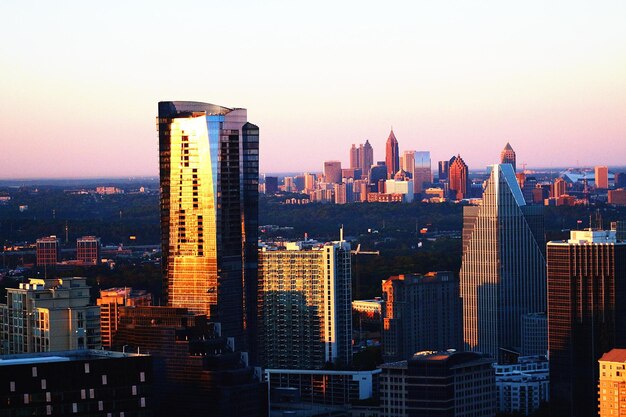
Midtown Atlanta: What It Is, Where It Is, and How It Fits Into the City
Midtown Atlanta is one of the city’s most recognizable and active urban districts. It’s a major commercial center, cultural hub, residential neighborhood, and transportation crossroads all in one compact area between Downtown and Buckhead.
If you live in Atlanta, visit often, or are considering a move, understanding what Midtown is (and isn’t) helps you navigate the city more confidently.
Where Exactly Is Midtown Atlanta?
Midtown is a central intown district roughly between:
- Downtown Atlanta to the south
- Buckhead to the north
- Westside/Georgia Tech area to the west
- Virginia-Highland/Old Fourth Ward to the east
There’s no single official boundary, but locals often use these general edges:
- South: Around North Avenue
- North: Around I-85 and the split with GA 400
- West: I-75/85 Downtown Connector
- East: Piedmont Avenue and Monroe Drive, near Piedmont Park and the BeltLine
Within that area, you’ll find:
- Midtown Core / Peachtree Corridor – dense office towers, condos, hotels, and restaurants along Peachtree Street NE
- Midtown Garden District – tree-lined residential streets east of Peachtree
- Technology Square / SoNo area – near Georgia Tech and North Avenue
- Arts District – around the Woodruff Arts Center, High Museum of Art, and major performance venues
Many locals simply think of Midtown as “everything around Peachtree Street between Downtown and Buckhead.”
What Midtown Atlanta Is Known For
Midtown is often described as Atlanta’s “heart of the arts” and one of the city’s most walkable, urban neighborhoods. It stands out for a few key reasons:
1. A Major Business and Job Center
Midtown is one of Atlanta’s largest employment hubs, with prominent office towers and corporate campuses. It’s home to:
- Major corporate headquarters and regional offices
- Law firms, consulting firms, tech companies, and creative agencies
- Coworking spaces and startup-friendly buildings, especially near Tech Square
Because of this, many Atlantans commute into Midtown for work from other parts of the metro area.
2. Atlanta’s Cultural and Arts District
Midtown hosts a high concentration of arts, music, and cultural institutions, especially around Peachtree Street. Key anchors include:
- Woodruff Arts Center – umbrella site for:
- High Museum of Art
- Alliance Theatre
- Atlanta Symphony Orchestra
- Fox Theatre on Peachtree Street – historic venue for Broadway tours, concerts, and special events
- Numerous galleries, dance studios, and smaller performance spaces
If you’re looking for theater, symphony, ballet, or major art exhibits in Atlanta, Midtown is usually where you go.
3. A Dense Residential Neighborhood
Midtown is not just offices and museums; it’s a major residential neighborhood with:
- High-rise and mid-rise condo and apartment towers
- Older single-family homes and historic streets, especially in the Midtown Garden District
- Townhomes and smaller multifamily buildings
Residents often choose Midtown for:
- Walkability to work, MARTA, parks, and nightlife
- A true “city neighborhood” feel
- Wide sidewalks, street trees, and relatively frequent street-level activity compared to many other Atlanta areas
Midtown vs. Downtown vs. Buckhead: How They Differ
Here’s a quick comparison to help you place Midtown in the broader Atlanta picture:
| Area | General Vibe | Main Uses | Who It Often Suits |
|---|---|---|---|
| Downtown | Historic core, civic/institutional | Government, arenas, conventions | Tourists, office workers |
| Midtown | Artsy, urban, mixed-use, walkable | Offices, arts, nightlife, housing | Young professionals, students, urban families |
| Buckhead | Upscale, business + shopping district | Malls, luxury retail, offices | Shoppers, executives, visitors |
Midtown sits physically between Downtown and Buckhead, and in many ways between them in feel: more artsy and residential than Downtown, more youthful and urban than much of Buckhead.
How Midtown Fits Into the City of Atlanta
Midtown is part of the City of Atlanta, in Fulton County. It’s not its own city.
Key points about how it’s organized:
- Governed by the City of Atlanta (Mayor, City Council, APD, etc.)
- Mostly within Atlanta Police Department’s Zone 5 and Zone 6 coverage areas
- Represented in the Neighborhood Planning Unit (NPU) system (primarily NPU-E)
- Served by the Midtown Alliance, a long-standing nonprofit that focuses on planning, streetscapes, business recruitment, and cleanliness/safety initiatives in the district
Additionally, many parts of Midtown fall within:
- Midtown Improvement District (MID) – a special public improvement district funded by commercial property owners
- Historic districts and overlay zones that shape what can be built, preserved, or renovated
For everyday residents, these organizations help explain why Midtown often has enhanced streetscapes, bike lanes, and public art compared to some other areas.
Transportation in Midtown: Getting Around
Midtown is one of the most transit-accessible and walkable areas in Atlanta.
MARTA Rail and Bus
Midtown has several MARTA rail stations:
- Midtown Station – near Peachtree St and 10th St
- Arts Center Station – near Woodruff Arts Center and 15th St
- North Avenue Station – at the southern edge of Midtown, near Georgia Tech and the Fox Theatre
From these stations you can connect to:
- Hartsfield-Jackson Atlanta International Airport
- Downtown (Civic Center, Peachtree Center, Five Points)
- Buckhead, Brookhaven, Sandy Springs, and beyond via North Line trains
- Bus routes serving intown neighborhoods and crosstown connections
🚌 Tip: If you live or stay in Midtown, MARTA can often be faster than driving to large events (concerts, games, festivals), especially when parking is tight.
Highways and Major Roads
Midtown is bordered or crossed by:
- I-75/85 (Downtown Connector) – major north-south interstate
- I-85 and GA 400 just north of the district
- Peachtree Street NE – the main commercial spine
- 10th Street, 14th Street, North Avenue, Ponce de Leon Avenue – key east-west connections
Traffic can be heavy during rush hours and event nights, so locals often:
- Walk or bike within Midtown
- Use MARTA for trips to airports or stadiums
- Use surface streets instead of the Connector when possible
Walking and Biking
Midtown is one of the few Atlanta neighborhoods where you can realistically:
- Walk to groceries, restaurants, coffee shops, and parks
- Bike to neighboring areas like Old Fourth Ward, Inman Park, or West Midtown, often via the Atlanta BeltLine Eastside Trail
The BeltLine runs just east of Midtown near Piedmont Park and Monroe Drive, connecting you to multiple intown neighborhoods and offering a popular route for walking, jogging, and cycling.
Parks and Green Space in Midtown
Midtown balances dense buildings with some of Atlanta’s best-loved outdoor spaces.
Piedmont Park
Located on Midtown’s eastern side, Piedmont Park is often called “Atlanta’s Central Park.” It offers:
- Large open lawns, lakes, dog parks, and playgrounds
- Running and biking paths connecting to the BeltLine
- Regular festivals, farmers markets, and community events
Many Midtown residents use Piedmont Park as their primary outdoor recreation spot, and visitors often plan at least a short walk through it.
Other Green Spaces
Additional spots in or near Midtown include:
- Atlanta Botanical Garden (adjacent to Piedmont Park)
- Smaller pocket parks and plazas along Peachtree and 10th Street
- The Northside BeltLine Trail and Eastside Trail entry points a short walk or ride away
These spaces make Midtown feel less concrete-heavy than many other dense business districts.
Culture, Nightlife, and Everyday Life in Midtown
Dining and Nightlife
Midtown has a wide range of:
- Casual and upscale restaurants
- Cocktail bars, wine bars, breweries, and lounges
- Late-night spots near Peachtree, Crescent Avenue, and 10th Street
Many Atlantans come into Midtown for:
- Pre-show dinners before a Fox Theatre or Symphony performance
- Weekend nightlife along Crescent Avenue and surrounding streets
- Brunch and coffee spots within walking distance of offices and condos
LGBTQ+ Community Presence
Midtown is widely recognized as one of Atlanta’s LGBTQ+-friendly neighborhoods, with:
- Bars and venues that cater specifically to LGBTQ+ patrons
- Proximity to Atlanta Pride events, many of which center around Piedmont Park and Midtown streets
- A visible, diverse community presence year-round
This reputation is part of why some Atlantans see Midtown as one of the city’s most inclusive and socially active areas.
Events and Festivals
Midtown regularly hosts or borders major events, such as:
- Art festivals and outdoor markets
- Cultural events and parades
- Seasonal concerts and performances
Residents quickly learn to factor event calendars into their transportation and parking plans, especially near Piedmont Park and Peachtree Street.
Housing and Living in Midtown
If you’re thinking about living in Midtown Atlanta, here’s what to expect.
Types of Housing
Common options include:
- High-rise condos and apartments along Peachtree, West Peachtree, Spring, and 10th
- Mid-rise and boutique buildings on side streets
- Historic homes and duplexes in the Midtown Garden District and nearby blocks
- Mixed-use buildings with ground-floor retail and residences above
Housing tends to be:
- More urban and vertical than in many other Atlanta neighborhoods
- Often accompanied by amenities (gyms, pools, concierge, package rooms) in newer buildings
- In close proximity to MARTA, workplaces, and nightlife
Who Typically Lives in Midtown?
You’ll find a mix of:
- Young professionals who work in Midtown, Downtown, or Buckhead
- Students and faculty connected to Georgia Tech or nearby colleges
- Empty nesters downsizing from suburbs
- Long-time Atlantans who prefer intown living
Midtown often appeals to those who value walkability, public transit access, and cultural amenities over large yards or detached homes.
Key Institutions and Landmarks in Midtown
Some of the best-known places in Midtown Atlanta include:
- Fox Theatre – landmark 1920s theater on Peachtree Street
- Woodruff Arts Center / High Museum of Art – major arts campus
- Atlanta Symphony Orchestra – based at the Woodruff Arts Center
- Alliance Theatre – prominent regional theater company
- Piedmont Park – Atlanta’s signature urban park
- Atlanta Botanical Garden – botanical displays and seasonal events
- Colony Square – mixed-use complex with offices, residences, and dining
- Tech Square (Technology Square) – innovation district at the eastern edge of Georgia Tech, within the broader Midtown area
These landmarks give Midtown its identity as both a business hub and a cultural destination.
Basic Services and Practical Details
If you’re staying or living in Midtown, it helps to know:
- Government and Civic Services:
- City services are provided by the City of Atlanta (311 line for general requests).
- Police and Fire:
- Served by Atlanta Police Department and Atlanta Fire Rescue Department, with precincts covering the Midtown area.
- Transit Info:
- MARTA customer information is available by phone and at Midtown, Arts Center, and North Avenue stations.
- Parking:
- Mix of public garages, private decks, street parking (metered in many spots), and residential parking facilities.
Locals quickly learn which streets and decks are best for frequent visits and which areas are busiest during peak commute times or events.
Is Midtown Atlanta Right for You?
Understanding what Midtown is helps you decide how it fits into your life in Atlanta:
- If you value walkability, transit, arts, and nightlife, Midtown is often a top choice to live or stay.
- If you mostly visit for work or events, knowing MARTA access points and main streets makes your trips easier.
- If you’re exploring Atlanta’s neighborhoods, think of Midtown as the city’s urban arts-and-business core between Downtown’s historic center and Buckhead’s shopping and office clusters.
In everyday Atlanta conversations, when people say “Midtown,” they’re talking about this central, mixed-use district that combines high-rise offices, condos, parks, theaters, restaurants, and transit into one of the city’s most active and recognizable neighborhoods.