
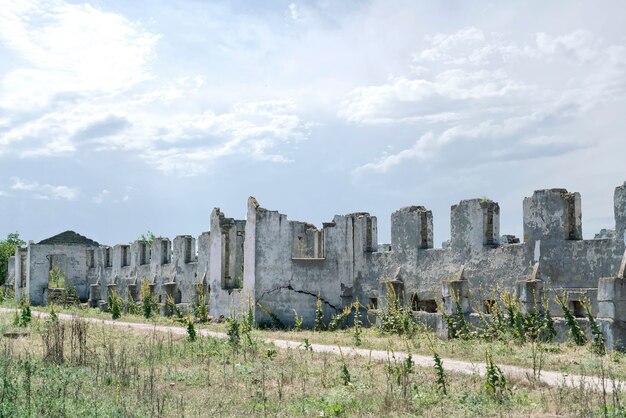
What Event Led to the Burning of Most of Atlanta?
If you’ve ever wondered “Which event resulted in the burning of most of Atlanta?”, the answer is clear and specific:
The burning of Atlanta happened during General William T. Sherman’s capture and evacuation of the city in the Civil War, in November 1864.
Today, that moment in history still shapes how Atlanta looks, feels, and even markets itself as the “city too busy to hate” and the “Phoenix City” that rose from the ashes. Understanding this event can also add a lot of depth to how you explore the city—especially if you enjoy historic sites, museums, and walking tours.
The Event: Sherman’s Capture and Burning of Atlanta (1864)
What Actually Happened?
- When: Fall 1864, with the most destructive fires set in November 1864
- Who: Union forces under Major General William T. Sherman vs. Confederate defenders
- Where: In and around downtown Atlanta, then a crucial railroad and industrial hub
- What: Large parts of Atlanta were burned as Union forces evacuated the city and began Sherman’s March to the Sea
Atlanta was a major Confederate transportation and supply center. After months of campaign and siege, Sherman captured the city in September 1864. In November, as he prepared to leave and march toward Savannah, his troops destroyed key rail lines, depots, factories, and warehouses.
Those intentional fires, plus additional burning that spread beyond the targets, are what people mean when they talk about “the burning of Atlanta.”
How Much of Atlanta Actually Burned?
Historical accounts describe a city with:
- Rail yards and depots destroyed
- Many industrial buildings and warehouses burned
- A significant number of commercial and residential structures damaged or lost
Not every building burned, but the destruction was widespread enough that Atlanta had to rebuild on a massive scale. That rebuilding is a big reason you see so few pre-1864 buildings in the modern city.
If you live in or are visiting Atlanta today, you won’t find an “old town” core the way you might in older East Coast cities. In many ways, Atlanta’s visible cityscape really starts after the Civil War because of this event.
Key Places in Atlanta Connected to the Burning
You can’t walk the streets of 1864 Atlanta anymore, but there are several places where you can learn about or connect to the story of the city’s burning.
1. Atlanta History Center
Atlanta History Center
130 West Paces Ferry Rd NW
Atlanta, GA 30305
Phone: (404) 814-4000
The Atlanta History Center is one of the best places to explore:
- Exhibits on the Civil War and the Atlanta Campaign
- Maps and artifacts explaining why Atlanta was a strategic target
- Context for Sherman’s campaign and the city’s destruction and rebuilding
This is a strong starting point if you want a big-picture understanding before diving into specific sites.
2. Oakland Cemetery
Historic Oakland Cemetery
248 Oakland Ave SE
Atlanta, GA 30312
Phone: (404) 688-2107
Oakland Cemetery is both a peaceful green space and a powerful historical site. Here you’ll find:
- Confederate and Union sections, reflecting the Civil War era
- Memorials and graves from people who lived through or were affected by the burning
- Tours (often seasonal or themed) that include discussion of the siege and fall of Atlanta
Visiting Oakland gives you a feel for Atlanta as a 19th-century city and how the war and burning shaped local lives.
3. The Cyclorama (Atlanta History Center)
The Battle of Atlanta Cyclorama painting, now housed at the Atlanta History Center, depicts the July 1864 battle that preceded the city’s capture. While it doesn’t show the burning itself, it gives a powerful sense of:
- The intense fighting around the city
- Why Atlanta ultimately fell to Sherman
- The scale and stakes of the campaign that made the burning possible
If you’re interested in visual, immersive history, this is worth scheduling time to see while you’re at the History Center.
4. Downtown & Railroad Corridors (Modern-Day Remains)
Atlanta’s historic role as a railroad hub is still visible in:
- Downtown railroad tracks and corridors
- Industrial zones and rail-adjacent neighborhoods
These areas echo why Atlanta was so vulnerable and important in 1864. While you won’t find charred ruins, walking or driving around downtown and the Gulch area gives a sense of how rail lines once defined the city’s layout—and why Sherman targeted them.
Why Sherman Burned Atlanta
To understand why this happened (and why it matters today), it helps to know Sherman’s goals:
- Cripple the Confederacy’s ability to wage war by destroying key infrastructure
- Cut supply lines by tearing up railroads and destroying depots and factories
- Undermine the Confederate war effort and morale
- Clear Atlanta as a military asset, making it harder to re-use against Union forces
The burning was not just random destruction; it was part of a larger military strategy known as “hard war,” which focused on breaking the South’s capacity and will to keep fighting.
How the Burning Shaped Modern Atlanta
For someone living in or visiting Atlanta, the burning of 1864 helps explain several things you see and feel in the city today.
1. A Rebuilt, Forward-Looking City
Because so much of Atlanta was destroyed:
- The city had to reinvent itself after the war
- Most buildings you see today are post-1864, with many from the 20th century and later
- Atlanta developed a reputation as a place that constantly rebuilds and grows
This is part of the “Phoenix” identity—you’ll see the Phoenix bird used in city symbols, public art, and references to Atlanta’s ability to rise again after disaster.
2. Few Antebellum Buildings Inside the City
If you’re expecting historic mansions and preserved streetscapes from the early 1800s inside Atlanta proper, you may be surprised:
- Very few antebellum structures remain in the city
- Many “old South” homes people visit in metro Atlanta are in outlying areas or were built after the war
That’s largely because the burning and subsequent rebuilding wiped out much of pre-war Atlanta’s built environment.
3. A Strong Emphasis on Growth and Business
The destruction in 1864 forced Atlanta to rebuild its:
- Economy
- Transportation systems
- Commercial districts
Over time, the city leaned heavily into being:
- A railroad and transportation center
- A business-friendly hub
- A place focused on growth over nostalgia
That mindset still colors how Atlanta approaches development, infrastructure projects, and even how neighborhoods transform.
Visiting Atlanta With the Burning in Mind: Things To Do
If you’re in Atlanta and curious about this history, here’s a simple way to structure a self-guided “Burning of Atlanta”–themed experience.
Suggested Half-Day Itinerary
Morning: Atlanta History Center
- Explore exhibits on the Civil War and Atlanta Campaign
- View the Cyclorama
- Look for timelines and maps showing 1864 Atlanta vs. modern Atlanta
Midday: Drive or rideshare toward Downtown
- Pass through areas near the rail lines and industrial zones
- Notice how much of the core feels modern compared to older Southern cities
Afternoon: Oakland Cemetery
- Walk through the historic sections
- If available, join a Civil War or Atlanta history tour
- Reflect on how the city changed from the 1860s to today
Quick Reference: Key Facts About the Burning of Atlanta
| Topic | Key Details |
|---|---|
| Main Event | Sherman’s capture and burning of Atlanta during the Civil War |
| Timeframe | 1864, with major fires in November 1864 |
| Primary Cause | Union military strategy to destroy Confederate infrastructure |
| What Burned Most | Railroads, depots, warehouses, factories, and many surrounding buildings |
| Long-Term Impact | Forced massive rebuilding, shaped Atlanta’s modern, forward-looking city |
| Best Places to Learn Locally | Atlanta History Center, Oakland Cemetery, downtown rail corridors |
How This History Shows Up in Everyday Atlanta
Even if you’re not a history buff, the burning of Atlanta still affects everyday life in the city:
- Neighborhood character: Many intown neighborhoods reflect post-war and later development, not early 1800s architecture.
- City branding: The Phoenix symbol and references to resilience appear in art, government imagery, and local stories.
- Education and tourism: School field trips, walking tours, and local organizations frequently reference Sherman, the burning, and the city’s rebirth.
If you’re new to Atlanta, learning about this event can make everything from your commute past the rail lines to your weekend visits to museums and cemeteries feel more connected to the bigger story of the city.
In short, the event that resulted in the burning of most of Atlanta was General Sherman’s occupation and deliberate destruction of key parts of the city in November 1864, during the Civil War. If you live in or visit Atlanta, you can still see the legacy of that moment in its rebuilt skyline, its limited number of antebellum buildings, and its enduring identity as a city that rose from the ashes.