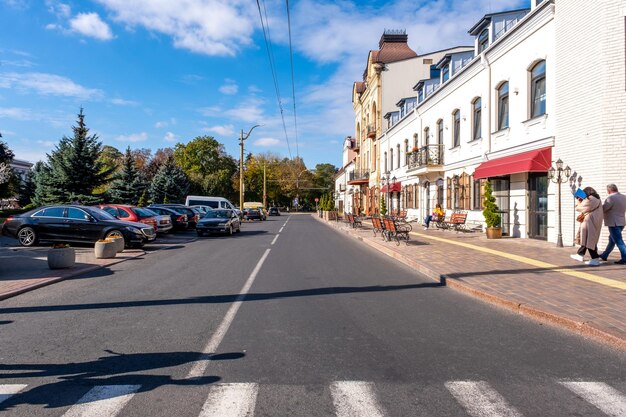
Edgewood Atlanta: A Local Guide to One of Intown’s Most Dynamic Neighborhoods
Edgewood is one of Atlanta’s most rapidly changing intown neighborhoods—a place where historic homes, new townhouses, trendy restaurants, and community parks all sit within a few blocks of each other. If you live in Atlanta, are considering a move, or just want to understand what “Edgewood Atlanta” means when people mention it, this guide walks through what to know and how the area actually feels on the ground.
Where Edgewood Is in Atlanta
Edgewood sits on Atlanta’s east side, just a few minutes from Downtown and Midtown. It’s part of the city of Atlanta, in DeKalb County.
Roughly, Edgewood is bordered by:
- Kirkwood to the east
- Reynoldstown and Cabbagetown to the south/southwest
- Inman Park and Little Five Points to the northwest
- East Lake and Oakhurst (Decatur) not far to the east/southeast
A major landmark is the Edgewood Retail District along Moreland Avenue NE, just south of Little Five Points. The neighborhood is also conveniently close to:
- I-20 (just to the south)
- Moreland Avenue (US 23) running north–south
- Dekalb Avenue running toward Downtown and Decatur
If you hear someone talk about “intown east side” living, Edgewood is one of those core neighborhoods they usually mean.
What Edgewood Feels Like
Edgewood has a mixed, transitional, and urban-residential feel. You’ll see:
- Historic bungalows and cottages on tree-lined side streets
- New townhome developments and small apartment buildings
- Light industrial and warehouse spaces converted into creative uses
- Busy commercial corridors along Moreland Avenue and on the edges of the neighborhood
Compared with some nearby areas, Edgewood can feel:
- More mixed-use and practical (because of the big-box retail) than purely residential enclaves
- Less polished than Inman Park, but more developed than some pockets further east
- Lively and sometimes busy near the retail center, quieter as you move deeper into residential blocks
If you want walkable access to shopping, transit, and restaurants while staying a bit more low-key than the heart of Inman Park or Old Fourth Ward, Edgewood is often on the list.
Getting Around Edgewood: Transit, Driving, and Walking
MARTA Access
Edgewood is served by the Edgewood/Candler Park MARTA Station on the Blue/Green Line.
- Station name: Edgewood/Candler Park
- Line: East–West (Blue/Green)
- Location: Off Dekalb Avenue NE, between Edgewood and Candler Park
From this station you can get direct rail service to:
- Downtown Atlanta
- Midtown and Westside (via connections)
- Five Points (central hub)
- Decatur and Avondale heading east
For commuters or students going into Downtown, Decatur, or Georgia State, this makes Edgewood very practical without a car, especially if you live closer to Dekalb Avenue.
Driving and Major Roads
Edgewood connects quickly to:
- I-20 via Moreland Avenue or Maynard Terrace
- Moreland Avenue (US 23) heading north toward Little Five Points and south toward East Atlanta
- Dekalb Avenue heading west to Downtown or east toward Decatur
Traffic on Moreland Avenue and around the Edgewood Retail District can be heavy at peak times, especially evenings and weekends. Street parking in the residential interior is generally less intense but can tighten near blocks with multi-family buildings.
Walkability and Biking
Inside the neighborhood, many residents walk to:
- Edgewood Retail District for groceries and errands
- Nearby restaurants and coffee shops
- MARTA stations and bus stops
Sidewalks are common on most main streets, though quality and continuity can vary. Biking is popular along Dekalb Avenue and into Kirkwood or Inman Park, but riders need to be comfortable with urban traffic; improvements and bike lanes continue to be added in parts of the east side.
The Edgewood Retail District
A central feature of Edgewood is the Edgewood Retail District, a large open-air shopping area anchored by big-box stores and chain retailers.
You’ll typically find:
- Major grocery stores
- Big-box general retailers and home goods
- National clothing and specialty shops
- Casual restaurants, cafes, and quick-service spots
- Banks and basic services (shipping, phone, etc.)
This center draws people from across the east side because it offers one-stop shopping in an otherwise mostly residential part of intown Atlanta. It’s a major reason Edgewood is known even to people who don’t live there.
Housing in Edgewood: What to Expect
Edgewood’s housing mix is diverse and in flux, often appealing to people who want to stay intown without the highest price points of neighboring areas.
Types of Homes
In Edgewood you’ll see:
- Early-20th-century bungalows and cottages
- Ranch-style homes from mid-century
- New townhome communities
- Small apartment complexes and renovated duplexes
- Scattered modern single-family homes on infill lots
This mix makes Edgewood feel less uniform than some neighborhoods and contributes to a range of housing options.
Renters vs. Owners
Edgewood tends to have both long-term homeowners and a sizable renter population. Many homes have been renovated or rebuilt, but there are still properties in more original condition.
People choose Edgewood housing to:
- Stay close to MARTA, Downtown, and Decatur
- Be walkable to shopping and food
- Live in a neighborhood that is actively changing and developing
If you are considering renting or buying in Edgewood, it’s smart to walk the specific block at different times of day. Noise, traffic, and overall feel can change quickly from one cluster of streets to the next.
Parks, Green Space, and the Outdoors
Edgewood is primarily urban-residential, but you do have access to parks and green spaces nearby.
Neighborhood and Nearby Parks
Within or near Edgewood, residents often use:
- Walker Park (nearby in Kirkwood) – A popular spot with open space, playgrounds, and fields.
- Coan Park – Just north of Edgewood and used for sports, walking, and community events.
- Candler Park – One MARTA stop away or a short drive, with a playground, pool (seasonal), tennis courts, and a golf course.
While Edgewood itself doesn’t have a huge central park like Piedmont Park, the cluster of east-side parks around it gives residents several options for outdoor recreation.
Trails and the BeltLine
Edgewood is close to sections of the Atlanta BeltLine Eastside Trail, especially as connections extend south and east through Reynoldstown and Kirkwood. Residents often:
- Walk or bike to the BeltLine via nearby neighborhood streets
- Use it to reach Inman Park, Old Fourth Ward, and beyond
BeltLine connectivity continues to improve, so if you value car-free commuting or recreation, Edgewood sits in a strategic spot between several BeltLine-linked neighborhoods.
Everyday Living: Groceries, Errands, and Services
One of the biggest advantages of living in Edgewood is convenience.
Groceries and Essentials
Within and around the Edgewood Retail District, you can typically find:
- Full-service grocery stores
- Pharmacies
- Warehouse/discount-style stores
- Specialty or organic food options (within a short drive or neighboring areas)
This means many residents rarely need to leave the east side for basic errands.
Banking, Shipping, and Other Basics
You’ll usually see:
- Branches of major banks
- Postal and shipping services
- Phone and electronics retailers
- Pet supplies and grooming
Because of the concentrated retail, Edgewood can work very well for people who want to minimize commuting for everyday tasks.
Dining, Nightlife, and Things to Do
Edgewood’s dining and nightlife are growing but more low-key than areas like Edgewood Avenue near Downtown or the heart of Midtown.
Food and Coffee
Within and around Edgewood you’ll find:
- Casual sit-down restaurants and national chains
- Fast-casual and quick-service options in the retail district
- Local coffee shops and cafes dotted around nearby corridors
- Easy access to more eclectic food scenes in Little Five Points, Inman Park, Kirkwood, and Reynoldstown
Many residents treat Edgewood as their home base, then explore surrounding neighborhoods for a broader range of bars and restaurants.
Entertainment and Culture
While Edgewood itself is not Atlanta’s main nightlife hub, you are close to:
- Little Five Points – Known for music, bars, vintage shops, and street life
- Inman Park – Upscale dining and patios
- East Atlanta Village – Bars, music, and restaurants a short drive south on Moreland
For movies, performances, and big events, many residents head to:
- Downtown venues (State Farm Arena, major theaters)
- Midtown (Fox Theatre, cultural institutions)
Edgewood’s own role is more day-to-day life and practical convenience, with easy reach of larger entertainment districts.
Schools and Education Near Edgewood
Edgewood is within the Atlanta Public Schools (APS) system. Specific school zoning can change over time, but families in Edgewood typically look at:
- Nearby APS elementary schools on the east side
- Middle and high school options tied to their attendance zone
- Charter and magnet programs elsewhere in APS, if they apply and are accepted
Because zoning and program availability can shift, it’s important to:
- Check the APS school zone finder using a specific Edgewood address
- Contact schools directly for enrollment and program details
Many families also consider:
- Private schools in Decatur, Druid Hills, East Atlanta, and Midtown
- Early childhood centers and preschools across the east side
For higher education, Georgia State University (Downtown), Emory University, and Georgia Tech are all within a reasonable commuting distance from Edgewood.
Community Services and Local Government
As a neighborhood within the city of Atlanta, Edgewood is covered by city services and representation.
City of Atlanta Services
Residents typically rely on:
- City of Atlanta Department of Public Works – Trash, recycling, street and sidewalk issues
- Watershed Management – Water and sewer service
- Atlanta Police Department – Zone coverage for Edgewood (zone boundaries can be confirmed through APD resources)
For city-level questions, residents can contact:
- City of Atlanta ATL 311 (non-emergency hotline)
- Phone: 3‑1‑1 (within city limits) or the city’s main non-emergency number
- Use for: trash pickup issues, code enforcement inquiries, street lights, and similar city services
Neighborhood Organizations
Edgewood participates in Atlanta’s Neighborhood Planning Unit (NPU) system, which gives residents a voice in zoning, development, and quality-of-life issues.
Typical involvement options include:
- Neighborhood associations that meet to discuss local concerns and projects
- NPU meetings where residents can comment on zoning, alcohol licenses, and development proposals
If you live in Edgewood or plan to, checking which NPU your property falls under and attending a meeting can help you understand what’s changing in the area.
Safety and Quality-of-Life Considerations
Like many intown Atlanta neighborhoods undergoing active development, Edgewood has a mix of:
- Long-term residents and newcomers
- New construction next to older properties
- Busy commercial corridors alongside quieter residential streets
When evaluating safety and quality of life, Atlanta residents commonly:
- Visit at different times of day (rush hour, evenings, weekends)
- Observe lighting, foot traffic, and activity on the streets where they might live
- Talk with neighbors or local business owners about recent changes and concerns
- Review public crime maps and city data for a factual picture
Experiences can differ block by block, so on-the-ground visits are especially important in Edgewood.
Quick Snapshot: Is Edgewood a Fit for You?
Here’s a simple overview to help you decide how Edgewood lines up with what you’re looking for in Atlanta.
| If you want… | Edgewood typically offers… |
|---|---|
| Easy access to MARTA | A nearby Edgewood/Candler Park station on the Blue/Green line |
| Walkable shopping and errands | The large Edgewood Retail District with groceries, big-box stores, and services |
| Intown living without the very top-tier price points | A mix of older homes and newer builds, often more varied pricing than Inman Park or Virginia-Highland |
| Quick access to Downtown, Decatur, and Little Five Points | Short drives or train rides to multiple job, school, and entertainment hubs |
| A polished, historic district feel | Only in pockets—Edgewood is more mixed-use and transitional than some neighboring areas |
| A quieter, suburban-style lifestyle | Limited—traffic and commercial activity are part of daily life, especially near Moreland and Dekalb |
How to Explore Edgewood for Yourself
If you’re considering moving to or spending more time in Edgewood, a simple plan many Atlantans use is:
Start at the Edgewood Retail District
- Walk or drive the surrounding streets to get a feel for traffic, parking, and overall noise.
Walk or drive deeper into residential blocks
- Explore east and north toward Kirkwood and Coan Park.
- Notice which streets feel more residential versus mixed-use.
Visit at different times
- A weekday afternoon, a rush-hour evening, and a weekend midday will each give you a different impression.
Try transit from Edgewood/Candler Park Station
- Take a MARTA ride to Downtown or Decatur and back to see how practical it feels for your routine.
Talk with locals
- Residents and shop employees can often share how the neighborhood has been changing and what they enjoy (or find challenging) about it.
Exploring Edgewood this way can give you a realistic sense of what living, commuting, or spending time there would be like, specifically within the wider context of Atlanta’s east-side neighborhoods.