Fair Atlanta: How to Find, Understand, and Support Fairness in the City
Atlanta is a city that talks a lot about fairness—from wages and housing to policing, transportation, and access to opportunity. When people search for “Fair Atlanta,” they are often looking for one of two things:
- Fair events in Atlanta (like festivals, expos, and fairs), or
- Fairness in Atlanta—as in, how fair the city is when it comes to work, justice, housing, and everyday life.
This guide covers both angles, with a clear focus on how fairness shows up in real life for people who live in, work in, or visit Atlanta.
What “Fair Atlanta” Can Mean
In an Atlanta context, “fair” usually comes up in a few key ways:
- Fair pay and fair work – wages, workplace treatment, and labor protections
- Fair housing – access to safe, non-discriminatory housing across the metro
- Fair access to services – transportation, utilities, health, and public resources
- Fair treatment in the justice system – policing, courts, and legal help
- Fair events and festivals – community fairs, state and local festivals, and cultural events
Understanding what “fair” looks like in Atlanta helps you know where to go, who to call, and what your options are when something doesn’t feel right.
Fair Pay and Fair Work in Atlanta
Atlanta doesn’t have a unique citywide minimum wage for all private employers; many workers fall under federal or state minimum wage rules. But there are still important protections and resources for fairness at work.
Key Fair-Work Concepts in Atlanta
- Minimum wage and overtime: Many workers in Atlanta are covered by federal wage and hour standards.
- Non-discrimination at work: Workers are generally protected from discrimination based on race, color, religion, sex, national origin, disability, and other legally protected characteristics.
- Fair scheduling and breaks: While not all aspects are explicitly set at the city level, many employees follow federal rules and company policies.
Where to Go If You Think You’re Treated Unfairly at Work
If you believe you’ve experienced unfair wages, discrimination, or retaliation, you can contact:
1. Equal Employment Opportunity Commission (EEOC) – Atlanta District Office
- Address: 100 Alabama Street SW, Suite 4R30, Atlanta, GA 30303
- Phone: 1-800-669-4000 (toll-free, routed to local office as needed)
Handles workplace discrimination complaints for many Atlanta workers.
2. Georgia Department of Labor – Atlanta Offices
Main metro office information is available through the state system and can help with wage claims, unemployment benefits, and certain labor questions.
3. City of Atlanta – Office of Equity, Diversity and Inclusion
While not a labor enforcement agency, this office focuses on equity issues and may help with information, referrals, and city policy questions related to fairness.
💡 Tip: If you’re unsure where to start, calling the EEOC or Georgia Department of Labor and describing your situation is often a practical first step. They can tell you whether your issue falls under their jurisdiction.
Fair Housing in Atlanta
Housing is one of the biggest “fairness” issues in the city. Rising rents, gentrification, and long-standing residential patterns can make it feel hard to find affordable, fair, and non-discriminatory housing.
What Fair Housing Means in Atlanta
Under widely applied fair housing protections, it is generally unlawful to deny housing or treat someone differently because of:
- Race or color
- Religion
- Sex (including some protections related to sexual orientation and gender identity)
- National origin
- Disability
- Familial status (such as having children)
In Atlanta, this can come up with:
- Apartment applications
- Rental terms and deposits
- Evictions and lease renewals
- Accessibility for people with disabilities
- Real estate sales and lending
Who Helps with Fair Housing Issues in Atlanta
1. Atlanta Housing Authority (AHA)
- Address: 230 John Wesley Dobbs Ave NE, Atlanta, GA 30303
- Phone: 404-892-4700
Administers public housing and voucher programs; can provide information on housing options and some complaint pathways.
2. Georgia Commission on Equal Opportunity – Fair Housing Division
- Address: 2 Martin Luther King Jr. Drive SE, Suite 602, West Tower, Atlanta, GA 30334
- Phone: 404-656-1736
Takes housing discrimination complaints and investigates alleged violations of fair housing protections throughout Georgia, including Atlanta.
3. Local Legal Aid and Tenant Support Organizations
Metro Atlanta has non-profit legal organizations that help with evictions, landlord disputes, and discrimination concerns, especially for low- and moderate-income residents. Many provide intake by phone and online.
✅ Key takeaway: If you believe a landlord or housing provider in Atlanta is treating you differently for a reason connected to a protected characteristic, you can file a complaint with fair housing agencies and often get free or low-cost help from local legal services.
Fair Access to Transportation and City Services
Being “fair” as a city also means working toward equal access to transportation, utilities, and public services.
MARTA and Fair Transportation in Atlanta
Public transit is central to fair access in Atlanta, especially for residents who do not drive or own cars.
MARTA (Metropolitan Atlanta Rapid Transit Authority)
- Headquarters: 2424 Piedmont Road NE, Atlanta, GA 30324
- Customer Service (general info): 404-848-5000
Fairness-related topics with MARTA include:
- Reduced Fare Programs: Discounts for seniors, people with disabilities, and some qualifying riders.
- Mobility Service: Paratransit services for eligible riders with disabilities.
- Route Coverage: Ongoing discussions about how well rail and bus lines reach lower-income and historically underserved neighborhoods.
If you feel you’re being treated unfairly when trying to use MARTA—especially due to a disability or need for accommodation—you can contact MARTA Customer Service or their accessibility services department for guidance and complaints.
City of Atlanta Customer Service
For water billing, sanitation, code enforcement, and other city services, fairness can mean:
- Fair billing and dispute processes
- Reasonable timelines and communication
- Equal treatment across neighborhoods
You can usually start with:
ATL 311 (City of Atlanta Customer Service)
- Phone: 3-1-1 (inside city limits) or 404-546-0311
File service requests, lodge complaints, and ask what your options are if something seems unfair.
Fairness in Policing and the Justice System
“Fair Atlanta” also touches on how people experience policing, courts, and legal processes.
Atlanta Police Department (APD) and Accountability
Atlanta Police Department Headquarters
- Address: 226 Peachtree Street SW, Atlanta, GA 30303
- Non-emergency line: 404-614-6544
If you believe you’ve been treated unfairly by police in Atlanta, you can file complaints through:
Atlanta Citizen Review Board (ACRB)
- Address: 55 Trinity Avenue SW, Suite 9100, Atlanta, GA 30303
- Phone: 404-865-8622
The ACRB is designed to accept and investigate certain complaints against Atlanta police and correction officers, including allegations of excessive force, abusive language, and other misconduct.
Access to Legal Help
Fairness in the justice system often depends on whether you can get legal advice or representation. In the Atlanta area, there are legal aid organizations that focus on:
- Housing and evictions
- Consumer issues and debt collection
- Family law in some circumstances
- Certain civil rights matters
Many of these organizations offer intake hotlines and may prioritize low-income residents, people with disabilities, seniors, and others facing significant barriers.
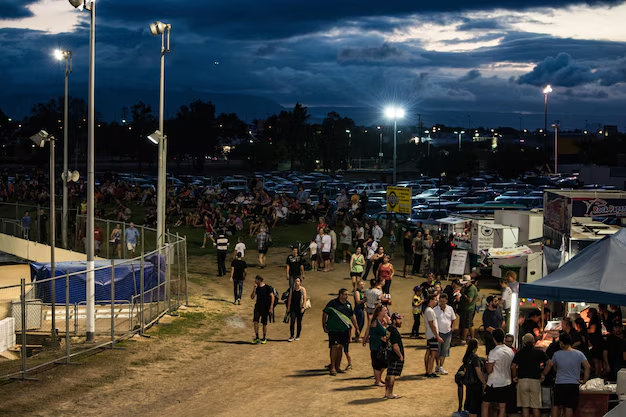
Fairs, Festivals, and “Fair Atlanta” Events
Some people searching for “Fair Atlanta” are actually looking for fairs in Atlanta—events that bring together food, rides, local vendors, jobs, or community resources.
Here are some event types that often come up around the city and metro area:
Types of Fairs You’ll Find Around Atlanta
- Job and Career Fairs: Often hosted at convention centers, colleges, or major corporate campuses in the city.
- College and Education Fairs: Held at high schools, downtown venues, and on local campuses.
- Health Fairs: Pop-up events offering screenings, wellness information, and community resources, sometimes organized by hospitals or public agencies.
- Cultural and Arts Fairs: Neighborhood festivals, art markets, and cultural celebrations across Midtown, Downtown, the Westside, and beyond.
- Seasonal and Holiday Fairs: Fall festivals, holiday markets, and themed family events in city parks and community spaces.
While the Georgia National Fair happens in Perry, Georgia, many Atlantans travel there from the metro, and you’ll also find local fairs and festivals closer to home in spots like Grant Park, Piedmont Park, and neighborhood main streets.
Quick “Fair Atlanta” Guide: Who Handles What?
Below is a simple overview to help you match your concern with the right Atlanta-area contact.
| If your “fair” concern is about… | Main type of help you may need | Where to start in the Atlanta area |
|---|---|---|
| Unfair treatment at work | Employment rights / discrimination | EEOC Atlanta District Office; Georgia Department of Labor |
| Housing discrimination or unfair denial | Fair housing protections | Georgia Commission on Equal Opportunity; Atlanta Housing Authority |
| High or incorrect city service bills | Billing dispute / city services | ATL 311 (3-1-1 or 404-546-0311) |
| Transit access or treatment on MARTA | Transit accessibility / complaints | MARTA Customer Service: 404-848-5000 |
| Police misconduct or unfair treatment | Police oversight / complaint process | Atlanta Citizen Review Board (ACRB) |
| Finding fairs, festivals, or expos | Event information | Local event listings, city parks schedules, convention calendars |
How to Advocate for a Fairer Atlanta
Whether you’re a resident or a visitor who cares about equity, there are practical ways to support a fairer Atlanta:
- Document issues: If something feels unfair—at work, with housing, or with authorities—keep notes, emails, letters, and dates. This is often crucial for complaints.
- Use official complaint channels: City, state, and federal offices in Atlanta generally have formal ways to submit complaints or requests for review.
- Stay informed locally: Follow City of Atlanta announcements, neighborhood meetings, and public hearings, especially around zoning, transportation, and policing.
- Support community efforts: Many nonprofits and community groups in Atlanta focus on fair housing, workers’ rights, transit equity, and justice reform. Volunteering, attending meetings, or staying connected can amplify your voice.
“Fair Atlanta” is an ongoing effort, not a finished product. Understanding who does what, how systems work, and where to go when something isn’t right gives you real leverage—whether you’re making a complaint, planning a move, looking for a job, or simply trying to participate in Atlanta life on equal footing.