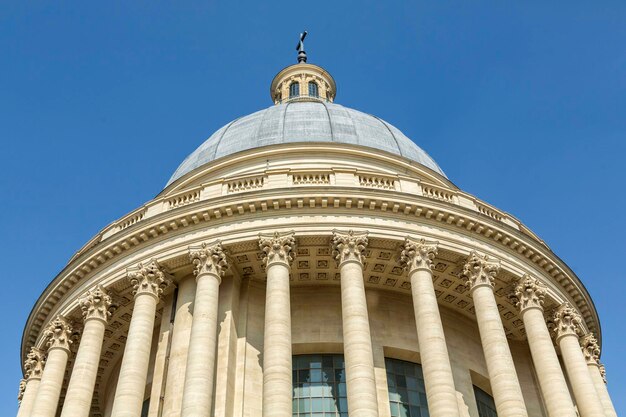
Federal Reserve Bank of Atlanta: What It Is and How It Matters to Atlanta Residents
If you live in Atlanta, Georgia, you’ve probably heard of the Federal Reserve Bank of Atlanta—or seen its distinctive building in Midtown. But what exactly does it do, can you visit it, and how does it affect your everyday financial life in Atlanta?
This guide breaks down the essentials in clear, local terms.
What Is the Federal Reserve Bank of Atlanta?
The Federal Reserve Bank of Atlanta is one of 12 regional banks that make up the Federal Reserve System, the central bank of the United States.
Atlanta’s Fed:
- Serves the Sixth Federal Reserve District
- Covers Georgia, Florida, Alabama, and parts of Louisiana, Mississippi, and Tennessee
- Plays a key role in monetary policy, bank supervision, and payment systems
For Atlanta residents, it’s the local arm of the nation’s central bank, located right in the heart of the city.
Where Is the Federal Reserve Bank of Atlanta Located?
Main office (headquarters for the Sixth District)
Address:
Federal Reserve Bank of Atlanta
1000 Peachtree Street NE
Atlanta, GA 30309
This is in Midtown Atlanta, near major landmarks such as Tech Square and along the Peachtree corridor.
Getting There
- MARTA Rail:
- Nearest station: likely Midtown Station (walkable distance depending on route).
- Driving:
- Located along Peachtree Street NE, accessible from I-85/75 via downtown/Midtown exits.
- Parking:
- Limited public parking is typically available nearby in paid decks and surface lots.
- On-site parking is generally restricted; expect to use surrounding garages.
Because the Federal Reserve is a high-security facility, access to the main building is controlled and may be limited to certain events, appointments, or educational programs.
What Does the Federal Reserve Bank of Atlanta Actually Do?
While many people think of it as just “a big bank,” its responsibilities are broader and more public-oriented.
1. Supports National Monetary Policy
The Atlanta Fed contributes research, data, and regional insights to help shape U.S. monetary policy. While final decisions are made at the national level, Atlanta’s economic and financial trends feed into those decisions.
This includes:
- Tracking employment and wage trends in metro Atlanta and the Southeast
- Monitoring housing, small business, and manufacturing conditions
- Providing information used when setting interest rate policy
For Atlanta residents, this means the local economy and businesses have a voice when national economic decisions are considered.
2. Supervises and Regulates Banks in the Region
The Federal Reserve Bank of Atlanta helps oversee certain banks and financial institutions across its district. This supervision aims to:
- Promote safety and soundness of the banking system
- Encourage fair and transparent lending practices
- Support financial stability in the region
While most of this work happens behind the scenes, it affects Atlanta consumers by helping keep the banking system stable and trustworthy.
3. Operates and Supports Payment Systems
The Atlanta Fed plays a part in the nationwide payments infrastructure, including:
- Processing some electronic payments between banks
- Helping support systems like ACH transfers and check clearing
- Working on payment innovation to make transactions faster and more secure
If you’re paid by direct deposit, send bill payments online, or move money between banks, the broader Federal Reserve system (including the Atlanta Fed) helps make that possible.
4. Issues and Distributes Currency
The bank also helps with the distribution of physical cash (bills and coins) to financial institutions:
- Supplying currency to Atlanta-area banks and credit unions
- Removing worn or damaged bills from circulation
- Verifying and counting currency returned from banks
While you can’t walk into the Atlanta Fed to exchange bills like at a regular bank, the cash in your wallet likely passed through Federal Reserve processing at some point.
How the Atlanta Fed Affects Everyday Life in Atlanta
You won’t open a checking account or apply for a car loan at the Federal Reserve Bank of Atlanta. But its work influences your financial environment in several ways:
Interest Rates:
When the Federal Reserve raises or lowers its target interest rate, it can affect your mortgage rate, credit card rate, and savings yields. The Atlanta Fed contributes local data and perspectives to national decision-making.Job Market:
Economic research from the Atlanta Fed looks at employment in Metro Atlanta, wage trends, and business conditions—information that can help public officials, employers, and community groups make decisions.Financial Stability:
Bank supervision helps reduce the risk of bank failures and disruptions that can affect deposits, access to credit, and business operations in Atlanta.Housing and Community Development:
The Atlanta Fed’s community and economic development work often focuses on issues like affordable housing, neighborhood investment, and small business finance in the Southeast, including the Atlanta area.
Visiting the Federal Reserve Bank of Atlanta
Policies can change, but historically the Atlanta Fed has offered educational visits and resources, especially through its museum and learning center when open.
What to Know Before You Go
- Security:
- Expect airport-style security for any on-site public access.
- You may need a government-issued photo ID (such as a driver’s license).
- Hours and Access:
- Public hours and tour availability can vary.
- It’s wise to check current information or call ahead before planning a visit.
- Group Visits:
- School groups, educators, and organizations may have access to scheduled tours or programs depending on current offerings.
Educational and Research Resources for Atlantans
The Federal Reserve Bank of Atlanta is also a major educational and research hub. This can be useful if you’re a:
- Student or teacher in Atlanta
- Local business owner or entrepreneur
- Nonprofit or community leader
- Resident wanting to better understand the economy
Types of Resources Commonly Available
- Economic research and commentary on the Southeast and Atlanta
- Data tools that track employment, inflation, wages, and housing
- Educational materials for K–12 and college classrooms
- Community development publications covering topics like affordable housing, small business financing, and neighborhood investment
These materials are often designed to be understandable even if you’re not an economist, making them useful for local decision-makers and curious residents.
Key Functions of the Atlanta Fed at a Glance
| Role / Function | What It Means for Atlanta Residents |
|---|---|
| Monetary policy input | Atlanta’s economy helps inform national interest-rate decisions. |
| Bank supervision and regulation | Contributes to a safer, more stable local banking system. |
| Payments and clearing services | Supports the smooth operation of electronic payments and transfers. |
| Currency distribution | Helps supply and manage cash used by Atlanta banks and businesses. |
| Economic research and data | Produces insights on jobs, housing, wages, and business conditions. |
| Community & economic development | Examines issues like affordable housing and small business finance. |
| Public education and outreach | Provides learning opportunities for schools, residents, and organizations. |
Practical Tips for Atlantans
Here are a few ways you might realistically interact with or benefit from the Federal Reserve Bank of Atlanta:
Learning about the local economy:
If you’re a business owner, investor, or just curious, you can use the Atlanta Fed’s economic commentary and tools to better understand trends affecting Metro Atlanta.Educator or student projects:
Teachers and students in Atlanta-area schools often use the Fed’s lesson plans, videos, and explainers for projects on money, banking, and the economy.Community organizations:
Nonprofits and local governments sometimes draw on the Atlanta Fed’s community development research when planning housing or small-business initiatives.Understanding rate changes:
When interest rates change, you can look to the Federal Reserve System’s communications—supported by input from the Atlanta Fed—to understand why and what it could mean for your loans or savings.
When You Should (and Should Not) Contact the Atlanta Fed
The Federal Reserve Bank of Atlanta does not:
- Open personal bank accounts
- Issue credit cards or personal loans
- Handle individual consumer disputes with banks (such as overdraft fees or service complaints)
If you have a problem with a bank in Atlanta, typical steps include:
- Contacting your bank or credit union directly
- Reaching out to federal agencies that handle consumer issues, such as:
- The Consumer Financial Protection Bureau (CFPB)
- The Federal Deposit Insurance Corporation (FDIC) for certain insured banks
- The Office of the Comptroller of the Currency (OCC) for national banks
- Consulting local consumer assistance resources or legal aid organizations in Atlanta
You may contact or refer to the Federal Reserve Bank of Atlanta when you’re interested in:
- Economic research, data, or publications
- Educational materials on money and banking
- Professional or academic conferences, events, or outreach they may host
For the most direct information, residents generally use the contact details provided by the bank on its official channels, which typically include a main phone line and mail address associated with:
Federal Reserve Bank of Atlanta
1000 Peachtree Street NE
Atlanta, GA 30309
In everyday life, you may never step inside the Federal Reserve Bank of Atlanta, but its work is woven into how money moves, how banks operate, and how the economy functions across Metro Atlanta and the Southeast. Understanding its role can make news about interest rates, inflation, and the job market feel far more connected to your own life in Atlanta.