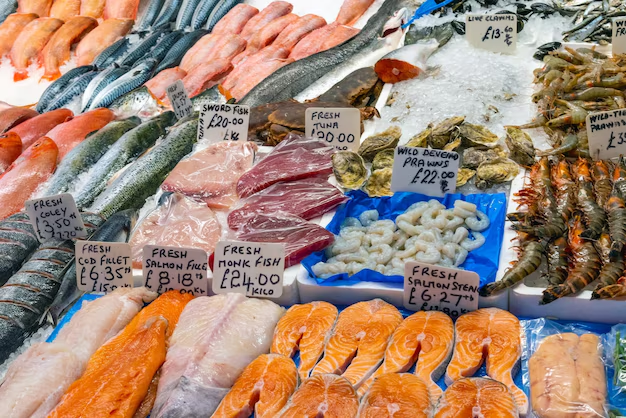
Finding Fresh Seafood: A Local Guide to Fish Markets in Atlanta
Atlanta may be hundreds of miles from the coast, but the city has a strong seafood scene thanks to regular deliveries from the Gulf, the Atlantic, and beyond. If you’re searching for a fish market in Atlanta—whether for a weekend boil, sushi night, or everyday healthy cooking—you have more options than you might expect.
This guide walks through how fish markets work in Atlanta, where to look, what to buy, and how to shop smart for fresh, high-quality seafood in the city.
How Fish Markets Work in Atlanta
Because Atlanta is landlocked, most seafood arrives by:
- Daily or near-daily shipments from coastal hubs like the Gulf Coast and the Southeast Atlantic
- Overnight air freight for higher-end or specialty items (sushi-grade fish, exotic species)
- Frozen-at-sea products, which are often as safe and high-quality as fresh when handled well
Local fish markets and seafood counters in Atlanta typically:
- Get deliveries multiple times per week, sometimes daily
- Turn inventory over quickly on busy days (weekends, holidays, Lent)
- Offer both fresh and frozen options, plus prepared items like crab cakes or marinated fillets
Because supply changes frequently, it’s common for Atlanta fish markets to update what’s available day by day. Calling ahead before a big purchase is often worth it.
Types of Fish Markets You’ll Find in Atlanta
1. Standalone Fish Markets
These are dedicated seafood shops whose main business is selling raw fish and shellfish. They often carry:
- Whole fish (snapper, grouper, pompano, etc.)
- Fillets and steaks (salmon, tuna, swordfish, catfish)
- Shellfish (shrimp, oysters, clams, mussels, crab, lobster)
- Seasonal specialties (crawfish, soft-shell crab, shad roe)
- House-made items (gumbo bases, fish stock, smoked fish)
Standalone markets usually have staff who can clean, fillet, and portion fish for you and help with cooking suggestions.
2. Fish Counters Inside Grocery Stores
Many Atlanta grocery chains have full seafood departments, especially in larger locations. There you’ll find:
- A mix of fresh and previously frozen fish
- Farmed and wild options
- Pre-seasoned, ready-to-cook items
- Packaged frozen seafood for longer storage
These counters can be convenient if you’re already shopping for other groceries, but selection and freshness can vary by store and location.
3. International and Ethnic Markets
Atlanta’s diverse population means you’ll find strong seafood selections in:
- Asian markets with live tanks (tilapia, crab, lobster, sometimes live shellfish)
- Latin American markets with whole fish ideal for frying or grilling
- Caribbean and African groceries with specific regional favorites (saltfish, smoked fish, specific tropical species)
These markets are often good places to find whole fish at competitive prices, along with herbs, spices, and ingredients for traditional recipes.
Where to Start: Major Areas and Districts for Seafood Shopping
Instead of focusing only on individual businesses, it helps to know which parts of Atlanta commonly have multiple seafood options close together. A few areas to explore:
South Atlanta & Near the Airport
Southside neighborhoods and areas near Hartsfield-Jackson Atlanta International Airport often receive frequent deliveries due to easy access to major highways and air freight. You may find:
- Independent fish markets that cater to everyday shoppers and restaurants
- Stores specializing in Gulf shrimp, catfish, and crab
- Places that offer cleaning and frying services on-site
West and Southwest Atlanta
Many residents head to Southwest corridors for:
- Whole fish, especially for frying or stews
- Large coolers of shrimp and crab
- Seasoned seafood ready for the fryer or oven
This side of town is also known for seafood takeout spots attached to or near raw markets.
Buford Highway and North DeKalb
The Buford Highway corridor is well known regionally for its international supermarkets and specialty shops. It’s one of the best places in metro Atlanta to explore:
- Live seafood tanks
- Fresh whole fish from multiple regions
- Unique shellfish and specialty products
It’s a solid go-to if you’re comfortable navigating busy, large-format markets and want variety.
Intown Neighborhoods (Midtown, Inman Park, Virginia-Highland, etc.)
Closer to the core of Atlanta, you’ll often find:
- Higher-end fish counters in premium grocery stores
- Specialty shops that emphasize sustainable or traceable sourcing
- Markets that cater to home cooks doing sushi, crudo, or grilled seafood
These options can be particularly good if you’re looking for premium salmon, tuna, or shellfish rather than large bulk purchases.
What to Look For in a Good Fish Market
No matter where you shop in Atlanta, a few signs can tell you whether a fish market is worth your time.
Freshness Clues
For whole fish, look for:
- Clear, bright eyes (not cloudy, sunken, or dull)
- Shiny skin with a natural, moist sheen
- Firm flesh that springs back when lightly pressed
- Clean, ocean-like smell (not sour or strongly “fishy”)
For fillets and steaks:
- Moist but not mushy or slimy
- No brown or gray edges
- Minimal pooling of liquid in the display tray
For shellfish:
- Closed shells (or those that snap shut when tapped)
- No cracked or broken shells
- Live and active movement for items like crabs or lobsters
Cleanliness and Handling
A quality fish market in Atlanta should maintain:
- Clean counters and display cases
- Properly iced, well-organized fish
- Staff willing to wear gloves and use clean tools
- Good odor control—the area should smell like the sea, not like old fish
If you’re uncomfortable with how fish is being handled or stored, it’s reasonable to shop elsewhere.
Typical Seafood You’ll Find in Atlanta Markets
Even though shipment schedules and seasons change, certain items commonly appear in Atlanta fish markets:
Common fish:
- Salmon (Atlantic and sometimes Pacific varieties)
- Catfish (often farm-raised, popular throughout the South)
- Tilapia
- Snapper (various types labeled as “red snapper” or similar)
- Grouper, mahi-mahi, and other mild white fish
- Tuna steaks
Shellfish:
- Shrimp (Gulf, domestic, and imported)
- Blue crab (whole, clusters, or picked meat)
- Snow crab and sometimes king crab
- Oysters (in the shell or shucked, often from the Gulf or East Coast)
- Mussels and clams
- Lobster tails and whole lobsters (especially around holidays)
Seasonal and specialty items:
- Crawfish (especially in late winter and spring)
- Soft-shell crabs
- Smoked fish (salmon, mackerel, whitefish)
- Saltfish (salted cod), popular for Caribbean and Latin dishes
Buying Seafood in Atlanta: Price, Value, and When to Shop
When to Go
In Atlanta, weekends and Fridays are usually the busiest times for fish markets, which can be good for turnover but crowded for shopping. For the best balance of freshness and time to talk with staff:
- Shop earlier in the day
- Consider midweek mornings if your schedule allows
Pricing Basics
Because seafood is perishable and often imported, prices in Atlanta can:
- Fluctuate with season, weather, and fuel costs
- Be a bit higher for premium, wild-caught, or sushi-grade items
- Be more affordable if you buy whole fish or family-size portions
Many shoppers focus on value cuts like whole farmed fish, frozen shrimp, or large fillets that can be portioned and frozen at home.
Simple Table: How to Choose Where to Buy Seafood in Atlanta
| Your Priority | Best Type of Place to Try in Atlanta | What You’ll Likely Get |
|---|---|---|
| Lowest price per pound | Standalone fish markets, international markets | Whole fish, bulk shrimp, seasonal deals |
| Convenience | Grocery store seafood counters near your home or office | Good everyday options, ready-to-cook items |
| Live or specialty seafood | Asian/international markets (e.g., Buford Highway area) | Live crabs, lobster, shellfish, specialty species |
| Premium or sushi-grade fish | Higher-end seafood counters and specialty markets intown | Carefully handled tuna, salmon, and select shellfish |
| One-stop shop (food + sides) | Markets with attached kitchens or seafood restaurants | Raw seafood plus cooked platters, fries, sides, sauces |
Food Safety Tips for Buying and Handling Seafood
Since seafood is perishable, Atlanta shoppers benefit from being careful in transport and storage, especially in warm weather.
At the Market
- Ask when the fish arrived and whether it has been previously frozen.
- Request that raw seafood be bagged separately from other groceries.
- If you’re driving more than 30–45 minutes, bring a small cooler with ice packs.
At Home
- Place seafood in the coldest part of your fridge and use it within 1–2 days.
- For longer storage, freeze tightly wrapped portions.
- Keep raw seafood away from ready-to-eat foods to avoid cross-contamination.
If you have questions about safe food handling in Georgia, you can contact:
Georgia Department of Public Health – Environmental Health
2 Peachtree St. NW
Atlanta, GA 30303
Phone (main): 404-657-2700
They provide general guidance on food safety, including home storage and preparation basics.
Local Agencies and Resources That Oversee Seafood Safety
While you’ll primarily interact with the market itself, a few organizations play a role in keeping seafood safe in the Atlanta area:
Georgia Department of Agriculture – Oversees food sales and inspections for many retail markets.
19 Martin Luther King Jr. Dr. SW, Atlanta, GA 30334
Main line: 404-656-3600Fulton County Board of Health – Environmental Health Services (for markets and restaurants in the City of Atlanta area within Fulton County):
10 Park Place South SE
Atlanta, GA 30303
Phone: 404-613-1303
Consumers who notice serious cleanliness or safety issues at a fish market can contact these agencies for information on how to submit a complaint or ask about inspection records.
Practical Tips for Getting the Most from Atlanta Fish Markets
A few simple habits can make your seafood shopping smoother and more rewarding:
- Call ahead 📞 if you need something specific (e.g., whole snapper of a certain size, live blue crab, sushi-grade tuna).
- Ask the staff how they recommend cooking a particular fish—many Atlanta market employees are used to giving quick recipe ideas.
- Be flexible with species. If snapper isn’t available or looks tired, consider another mild white fish like grouper, mahi-mahi, or another similar option.
- Try something new periodically. With markets bringing in seafood from multiple coasts, Atlanta is a good place to experiment with new varieties.
- Plan your menu around availability. Instead of fixing on one species, decide on a cooking method (grill, bake, fry, stew) and choose what looks best that day.
If You’re Visiting Atlanta
Visitors often want to cook at an Airbnb or carry out fresh seafood for a boil or family meal. When planning:
- Look for fish markets near where you’re staying to keep travel time short.
- Check hours in advance—some standalone markets close earlier than big-box groceries.
- Ask for ice for the trip back, especially in warmer months.
Shopping for seafood in Atlanta means working with a city that depends on fast, frequent deliveries rather than a local harbor—but that hasn’t stopped a strong fish market culture from forming. With a bit of know-how, you can find fresh fish, shellfish, and specialty items across the metro area and bring home high-quality seafood for almost any style of cooking.