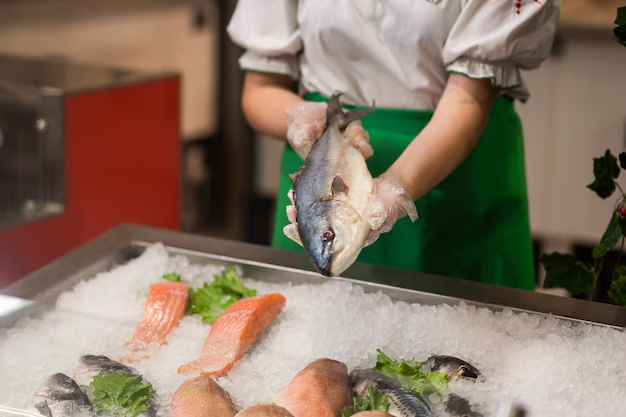
Finding a Great Fishmonger in Atlanta: Where to Go and What to Know
If you’re searching for a fishmonger in Atlanta, you’re really asking two things at once:
- Where can I buy fresh, high‑quality seafood in or near the city? and
- How do I tell if a fishmonger is actually good at what they do?
Atlanta is far from the coast, but the metro area still has access to daily shipments of Gulf, Atlantic, and international seafood. The key is knowing which types of places to look for, how to judge freshness, and how to shop smart in Atlanta’s climate and traffic patterns.
What “Fishmonger” Means in Atlanta
Traditionally, a fishmonger is a specialist who buys, handles, and sells seafood—often breaking down whole fish, advising customers, and preparing custom cuts.
In Atlanta, that role might be filled by:
- A stand-alone seafood market
- A seafood counter inside a large grocery store
- A vendor at a farmers market or public market
- A wholesale/retail hybrid that sells to both restaurants and home cooks
You may not always see the word “fishmonger” on a sign, but if there’s a person behind the counter cutting whole fish, answering questions, and handling orders, that’s effectively your fishmonger.
Common Types of Fishmongers Around Atlanta
1. Stand-Alone Seafood Markets
These are dedicated shops that focus primarily on seafood. In and around Atlanta, they often:
- Bring in fresh fish several times a week
- Offer whole fish, fillets, shellfish, and sometimes live seafood
- Provide custom cutting, scaling, and cleaning
- Carry regional favorites like Gulf shrimp, red snapper, and catfish
They’re popular with home cooks who want specific species, whole fish, or large quantities for events and family gatherings.
2. Grocery Store Seafood Counters
Many Atlanta-area supermarkets have in-house seafood departments. Quality can vary, but some locations receive regular deliveries of fresh, never-frozen fish and offer:
- Pre-portioned fillets for convenience
- Steam-in-store or seasoning options (common in some chains)
- A limited selection of whole fish and shellfish
These counters are useful if you live in-town or in the suburbs and want to do all your shopping in one trip.
3. Farmers Markets and Public Markets
Some farmers markets in and near Atlanta host seafood vendors that operate like traditional fishmongers, bringing in:
- Regionally sourced fish and shrimp
- Seasonal specialties (e.g., soft-shell crabs in season)
- Ice-packed displays and whole fish
These are good spots if you value small vendors, seasonal catches, and local/regional supply chains.
How to Judge a Good Fishmonger in Atlanta
No matter where in the metro area you shop, a strong fishmonger usually has:
1. Clean, cold, and well-organized displays
- Fish laid on plenty of fresh ice
- No pooling water or strong “fishy” odor
- Shellfish stored properly (e.g., live shellfish kept cool and moist, not submerged)
2. Knowledgeable staff
Look for staff who can:
- Tell you where the fish came from (Gulf, Atlantic, farmed, etc.)
- Explain whether it was fresh or previously frozen
- Suggest cooking methods and help with portion sizes
3. Willingness to prep your seafood
A good fishmonger in Atlanta will typically:
- Scale, gut, and fillet whole fish on request
- Clean and cut fish into steaks, fillets, or smaller portions
- Bag different items separately to keep odors and cross-flavors down
4. Transparent labeling and pricing
- Clear price per pound
- Clear species names (e.g., “Atlantic salmon” vs. just “salmon”)
- Labels indicating wild vs. farmed when applicable
What to Look for When Buying Fish in a Landlocked City
Atlanta’s distance from the coast means shipping and handling matter a lot. You can still get excellent fish; you just need to evaluate freshness carefully.
Signs of Fresh Whole Fish
- Eyes: Clear, bright, not sunken
- Gills: Bright red or pink, not brown or slimy
- Smell: Clean, mild, like the ocean—not sour or overly “fishy”
- Flesh: Firm and bounces back when pressed
Signs of Fresh Fillets
- Color: Vibrant, not dull or dried at the edges
- Texture: No mushy, separating flakes
- Moisture: Slightly moist, not sitting in milky liquid
Shellfish and Crustaceans
- Live shellfish (clams, mussels, oysters) should be closed, or close when tapped
- Shrimp should smell mild and feel firm
- Crabs or lobsters (if sold live) should show signs of movement and responsiveness
Typical Seafood Options You’ll See in Atlanta
While availability changes, many Atlanta fishmongers regularly carry:
Common finfish:
- Salmon (often Atlantic, sometimes wild Pacific in season)
- Snapper, grouper, mahi-mahi
- Catfish (farm-raised), tilapia, trout
- Tuna, swordfish (often as steaks or loins)
Shellfish and others:
- Gulf shrimp (a staple in many Atlanta markets)
- Scallops, crab legs, sometimes whole crabs
- Oysters, clams, mussels
- Squid, octopus, sometimes specialty items like fish roe
Helpful Questions to Ask Your Fishmonger in Atlanta
When you’re at a seafood counter, it’s normal—and smart—to ask questions. Consider:
“When did this fish arrive?”
Aim for the most recent shipment, especially in warmer months.“Has this fish been previously frozen?”
Previously frozen fish can still be very good; you just need to know if you plan to freeze it again.“Do you have whole fish of this species?”
Whole fish can be fresher and are often cheaper per pound.“What would you recommend for grilling/baking/frying?”
Fishmongers see how each fish looks day to day and often know which batch is best.
Storing and Transporting Seafood in Atlanta’s Heat
Atlanta’s weather, especially in late spring through early fall, can be hot and humid, which affects how you handle seafood once it leaves the shop.
Transport Tips
- Bring a soft-sided cooler or insulated bag if you’re driving more than 20–30 minutes home.
- Ask for extra ice in the bag.
- Make seafood your last stop if you’re running multiple errands.
At-Home Storage
- Refrigerate seafood as soon as you get home.
- For same-day or next-day cooking, place fish on a plate or tray over ice in the coldest part of your fridge.
- Use most fresh fish within 1–2 days.
- If you must freeze, wrap tightly in plastic wrap plus a freezer bag or use a vacuum sealer if you have one.
Seasonal Considerations for Atlanta Shoppers
Atlanta seafood markets adjust based on:
- Seasonal migrations and fishing seasons (e.g., certain Gulf species more available at certain times)
- Holidays and events (Lent, Thanksgiving, New Year’s Eve often increase demand)
You might notice more:
- Shellfish during cooler months
- Grilling-friendly fish (salmon, swordfish, tuna) heavily featured in late spring and summer
If you’re planning a big seafood meal for a holiday or event, consider:
- Visiting or calling your fishmonger a few days ahead
- Asking about pre-orders or special cuts
Comparing Different Fishmonger Options in Atlanta
Here’s a simple way to think about which type of place might fit your needs:
| Where You Shop | Best For | Things to Keep in Mind |
|---|---|---|
| Stand-alone seafood market | Variety, whole fish, custom prep | May require a special trip or longer drive |
| Grocery store seafood counter | Convenience, small quantities | Quality varies by location and delivery schedule |
| Farmers/public markets with seafood | Seasonal, regional catches, small vendors | Limited days/hours; go early for best selection |
Safety and Regulations You Should Know About
In the Atlanta area, seafood sold to consumers is generally subject to food safety and handling regulations that apply to retail food establishments. While individual shop standards can vary, they are expected to:
- Keep seafood at safe temperatures
- Follow cleaning and sanitation requirements
- Follow rules around tagging and tracking certain shellfish
If you ever see conditions that seem unsafe—like strong odors, warm display cases, or obviously spoiled product—it’s reasonable to:
- Avoid buying from that particular counter or market, and
- Choose another retailer in the area
Practical Tips for Getting the Most from an Atlanta Fishmonger
Shop earlier in the day 🕘
Selection is often better, and displays tend to be fresher and better stocked.Be flexible about the exact species
If snapper looks tired but the grouper is pristine, choose the fish that looks and smells best, not the one you planned on.Ask for trimmings if you like making stock
Some fishmongers will give or sell fish heads and bones for broths and soups.Start simple if you’re new to cooking fish
Ask for mild, forgiving options (e.g., salmon, trout, or certain white fish) and basic prep tips.
When a Fishmonger Might Not Be the Best Option
There are times in Atlanta when you might choose frozen seafood instead of fresh:
- If you live far outside the city center and can’t get to a fishmonger often
- If you want specific fish out of season
- If you prefer to stock up and cook gradually over weeks
Many frozen products are processed shortly after catch, so “fresh” isn’t always better than correctly handled frozen fish. A good Atlanta fishmonger or seafood counter will usually sell both and can explain the differences.
By understanding how Atlanta’s seafood supply works, what to look for at the counter, and how to handle fish in the city’s climate, you can confidently use any Atlanta-area fishmonger—from neighborhood markets to major grocery chains—to bring home seafood that’s safe, fresh-tasting, and well-suited to how you like to cook.