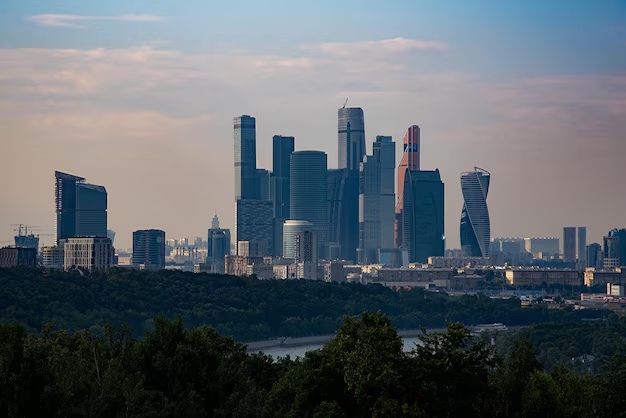
The Future of Atlanta: How the City Is Growing, Changing, and Planning Ahead
Atlanta is already a major hub for business, transportation, and culture in the Southeast—but the future Atlanta will look and feel different from the city you know today. If you live in Atlanta, are planning a move, or are visiting and curious about where the city is headed, it helps to understand the key trends shaping its next decade.
Below is an overview of how Atlanta is expected to evolve—from transportation and housing to neighborhoods, green space, and jobs—with a focus on what that means for everyday life in and around the city.
Big Picture: Where Atlanta Is Headed
Atlanta’s future is being shaped by a few major forces:
- Population growth and new residents
- Redevelopment of core neighborhoods
- Transit and transportation upgrades
- Investment in green space and the environment
- Shifts in jobs, tech, and entertainment
For Atlanta residents, that translates into more density in key areas, changing traffic patterns, rising housing demand, and an expanding urban core that reaches farther beyond Downtown and Midtown than in the past.
Transportation & Transit: Getting Around the Atlanta of Tomorrow
Transportation is one of the biggest issues for the future of Atlanta. If you live here, you already know why: I-285, GA-400, I-75/85, and surface streets are often crowded, and many people want better alternatives to driving everywhere.
MARTA and Transit Expansion
MARTA is at the center of many long-term plans:
- More frequent bus routes in high-demand corridors
- Bus Rapid Transit (BRT) concepts along major routes like North Avenue or Summerhill
- Potential new rail or light rail segments tied to the Atlanta BeltLine and other corridors
Key agencies and players:
- MARTA Headquarters – 2424 Piedmont Rd NE, Atlanta, GA 30324, Phone: (404) 848-5000
- Atlanta Department of Transportation (ATLDOT) – 55 Trinity Ave SW, Atlanta, GA 30303
For residents, this could mean:
- More reliable non-car options in dense areas like Midtown, Downtown, Westside, and Southeast Atlanta
- Better connections to employment centers such as Perimeter, Buckhead, and the Airport area
Roads, Highways, and “Smart” Infrastructure
You can expect continued work on:
- I-285/GA-400 interchange improvements
- Managed lanes and toll lanes on major corridors
- Smart signals and traffic management inside the City of Atlanta to reduce congestion on streets like Peachtree, Ponce de Leon, and Northside Drive
While this may cause short-term construction headaches, the long-term goal is more predictable travel times and improved safety.
Housing, Affordability, and New Development
Atlanta’s skyline and neighborhoods are changing quickly, especially around Midtown, West Midtown, the BeltLine, and the Westside.
Where Growth Is Happening
You’ll see major residential and mixed-use growth in:
- Midtown – continuing high-rise development along Peachtree, West Peachtree, and Spring Streets
- West Midtown / Howell Mill area – conversion of industrial space to apartments, offices, and restaurants
- Old Fourth Ward, Reynoldstown, and Edgewood – infill housing and dense projects near the BeltLine
- Upper Westside and Westside Park area – new communities anchored by green space and access to the Proctor Creek Greenway
- Southside BeltLine neighborhoods – early-stage growth with an eye toward future transit and trails
Affordability and Inclusion
As housing demand rises, so do concerns about affordability and displacement. Common tools being used in Atlanta’s future housing plans include:
- Inclusionary zoning in certain BeltLine and Westside areas (some developments must include affordable units)
- Atlanta Housing (AH) programs and vouchers
- Atlanta BeltLine Partnership and Invest Atlanta assisting with affordability strategies and homeownership programs
Useful agencies to know:
- Atlanta Housing – 230 John Wesley Dobbs Ave NE, Atlanta, GA 30303, Phone: (404) 892-4700
- Invest Atlanta – 133 Peachtree St NE, Suite 2900, Atlanta, GA 30303, Phone: (404) 880-4100
If you’re an Atlanta resident, expect:
- More apartments and townhomes near transit and trails
- Ongoing tension between growth and affordability, especially in central neighborhoods
- Opportunities for down payment assistance or home rehabilitation through local programs if you qualify
Neighborhoods on the Rise
If you want to understand the future of Atlanta, it helps to watch which neighborhoods are gaining attention.
Intown and BeltLine Neighborhoods
Areas that are likely to keep transforming:
- Old Fourth Ward & Inman Park – very active now and expected to stay in high demand
- Reynoldstown, Cabbagetown, and East Atlanta – strong draw for younger residents and creative industries
- West End & Adair Park – poised for growth with the Westside BeltLine and proximity to Downtown
- Pittsburgh, Capitol View, and Oakland City – early redevelopment and increasing interest from buyers and renters
Living in or near these neighborhoods may bring:
- More cafes, retail, coworking spaces, and nightlife
- Increased pedestrian and bike infrastructure
- Stronger neighborhood organizations and community planning groups
Beyond the Core: Perimeter and Suburban Edges
The Perimeter Center area (around Dunwoody, Sandy Springs, and Brookhaven) is evolving into a more walkable, mixed-use district, with:
- High-rise offices and apartments
- Access to MARTA’s Red and Gold Lines
- New pedestrian crossings over major roads and interstates
This creates multiple “downtowns” around metro Atlanta, not just one central core.
The BeltLine and Green Space: A More Walkable Future
The Atlanta BeltLine might be the single most visible symbol of Atlanta’s future. What began as a rail corridor concept is now a growing loop of trails, parks, and planned transit.
BeltLine Today vs. Tomorrow
Right now, the Eastside, Westside, Northside, and parts of the Southside Trails are open to walkers, cyclists, and runners. Over the next several years, the city aims to:
- Complete more trail segments, especially on the Southside and Northeast
- Add more access points from adjacent neighborhoods
- Support additional parks, art installations, and small business spaces
Key organization:
- Atlanta BeltLine, Inc. – 100 Peachtree St NW, Suite 2300, Atlanta, GA 30303, Phone: (404) 477-3003
For residents and visitors, the BeltLine future means:
- Easier car-free trips between neighborhoods such as Old Fourth Ward, Inman Park, West End, and Midtown
- A larger network of connected parks, including Historic Fourth Ward Park, Westside Park, and others
- More opportunities for outdoor events, markets, and performances
Parks, Trees, and Urban Nature
Atlanta is known as the “city in a forest,” and long-term plans aim to:
- Preserve and expand the urban tree canopy
- Enhance major parks like Piedmont Park, Grant Park, Chastain Park, and Westside Park
- Support neighborhood parks and pocket parks in denser areas
Helpful departments:
- City of Atlanta Department of Parks and Recreation – 233 Peachtree St NE, Suite 1700, Atlanta, GA 30303, Phone: (404) 546-6813
- Office of Resilience / Sustainability initiatives within the City of Atlanta
If you live here, expect more:
- Trails, sidewalks, and bikeways that connect to big parks
- Community discussions around tree protections and development balance
Jobs, Economy, and Innovation in Future Atlanta
Atlanta already hosts major employers in aviation, logistics, film, tech, finance, and education. Its future economy is likely to build on those strengths.
Growing Sectors
Areas expected to expand include:
- Tech and startups – especially in Midtown’s Tech Square, West Midtown, and areas around Georgia Tech
- Film and television production – continued use of studios in and around the city, with local jobs in support services
- Logistics and e‑commerce – driven by Atlanta’s position as a transportation hub and proximity to Hartsfield-Jackson
- Healthcare and higher education – anchored by Emory University, Georgia State University, Morehouse, Spelman, and others
Key institutions shaping this future:
- Georgia Tech – North Ave NW, Atlanta, GA 30332
- Atlanta City Hall / Mayor’s Office of Economic Development – 55 Trinity Ave SW, Atlanta, GA 30303
For workers, this may mean:
- More professional and technical job opportunities inside the city limits
- Growing importance of living near transit and job centers if you want to cut commute times
- Additional coworking and flexible office spaces in intown neighborhoods
Climate, Resilience, and Infrastructure
As Atlanta grows, it also faces challenges tied to heat, storms, flooding, and aging infrastructure.
Heat and Stormwater
Future projects are often designed to:
- Reduce urban heat using trees, reflective materials, and green roofs
- Manage stormwater with better drainage, retention basins, and natural solutions like rain gardens
- Improve resilience to heavy rain and flooding, especially in neighborhoods with older systems
For example, projects similar to Historic Fourth Ward Park’s stormwater design may appear in other areas to manage runoff.
Utilities and Digital Infrastructure
Residents can expect:
- Upgrades to water and sewer systems in older neighborhoods
- Wider availability of high-speed internet and fiber in developing corridors
- More electric vehicle (EV) charging stations at parking decks, multifamily housing, and commercial areas
Key utility contact for water/sewer:
- City of Atlanta Department of Watershed Management – 72 Marietta St NW, Atlanta, GA 30303, Customer Service: (404) 546-0311
Culture, Arts, and Public Life
The future Atlanta is not just about buildings and roads; it’s also about how people experience the city day-to-day.
Arts, Events, and Public Spaces
Expect to see continued growth in:
- Public art along the BeltLine, in Downtown, and neighborhood corridors
- Outdoor festivals and events in spaces like Piedmont Park, Centennial Olympic Park, and Westside Park
- Street-level activation with murals, markets, and small performance venues
Cultural anchors that will keep influencing the city:
- Woodruff Arts Center / High Museum of Art – 1280 Peachtree St NE, Atlanta, GA 30309
- Atlanta History Center – 130 West Paces Ferry Rd NW, Atlanta, GA 30305
For residents, this means:
- More chances to experience arts and culture without leaving your neighborhood
- Expanded programs for families, young professionals, and older adults
Education and Future Talent
Atlanta’s future depends heavily on its schools, colleges, and training programs.
K‑12 and Higher Education
Key directions include:
- Efforts to strengthen Atlanta Public Schools (APS) and partnerships with local organizations
- Expansion of dual-enrollment, technical training, and workforce development programs
- Continued influence from major institutions such as Georgia Tech, Georgia State University, Emory, and the Atlanta University Center (AUC)
Helpful contacts:
- Atlanta Public Schools – 130 Trinity Ave SW, Atlanta, GA 30303, Phone: (404) 802-3500
- Georgia State University (Downtown Campus) – 33 Gilmer St SE, Atlanta, GA 30303
These institutions play a major role in preparing the workforce that will shape Atlanta’s technology, healthcare, business, and arts sectors.
How Residents Can Engage in Shaping Future Atlanta
If you want a say in how Atlanta grows, there are practical ways to get involved.
Everyday Actions You Can Take
- Attend neighborhood planning unit (NPU) meetings – NPUs advise the city on zoning, land use, and community concerns.
- Participate in public meetings hosted by:
- City Planning Department
- MARTA and Atlanta BeltLine, Inc.
- ATLDOT and Parks & Recreation
- Share feedback on:
- Proposed rezoning or development in your neighborhood
- Transit and bike/pedestrian plans
- Park and greenway projects
City planning contact:
- City of Atlanta Department of City Planning – 55 Trinity Ave SW, Suite 3350, Atlanta, GA 30303, Phone: (404) 330-6070
Questions to Ask About New Projects
When you hear about a new development, transit line, or park, you might ask:
- How will this affect traffic and parking near my home or workplace?
- Are there affordable housing components or protections against displacement?
- Will this project improve sidewalks, bike access, and transit?
- What community benefits (jobs, training, public space) are included?
Quick Snapshot: What the Future Atlanta Means for You
| Topic | What’s Changing | What It Means for Residents & Visitors |
|---|---|---|
| Transportation | More transit options, smart signals, BRT | More ways to get around without always driving |
| Housing & Growth | Denser development near core and BeltLine | More housing choices, but higher demand and prices in some areas |
| Neighborhoods | Revitalization of Westside, Southside, intown | New restaurants, services, and amenities nearby |
| Green Space | Expanded BeltLine, new parks and trails | Better access to outdoor recreation and car-free routes |
| Jobs & Economy | Growth in tech, film, logistics, healthcare | Broader job opportunities and more urban job centers |
| Climate & Resilience | Stormwater upgrades, tree canopy focus | Stronger infrastructure and more shade/green areas |
| Culture & Arts | More public art, festivals, and programming | Richer cultural life in many neighborhoods |
If you live in Atlanta today, the future of the city will likely bring more density, more options, and more connectivity—along with ongoing debates over affordability, traffic, and how to balance rapid growth with neighborhood character. Staying informed, using public input opportunities, and paying attention to what’s happening in your part of town are the best ways to navigate and help shape the future Atlanta you want to see.