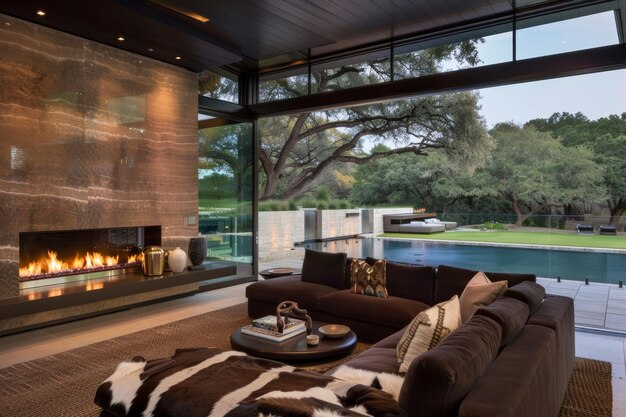
Garden Rooms in Atlanta: How to Plan, Build, and Enjoy Your Backyard Retreat
Thinking about a garden room in Atlanta—whether as a sunroom, backyard studio, or enclosed patio—can be a smart way to get more usable space without a full home addition. In a city with hot summers, mild winters, and lots of tree cover, a well-designed garden room can work as a home office, art studio, guest space, or indoor–outdoor lounge almost year-round.
This guide walks you through how garden rooms work specifically in Atlanta, Georgia: climate considerations, design ideas, zoning and permitting issues, cost factors, and practical steps to get started.
What Is a Garden Room in the Atlanta Context?
“Garden room” in Atlanta can mean several things:
- Sunroom or four-season room attached to your house
- Detached backyard studio or office, often called an accessory structure
- Screened porch that feels like an outdoor living room
- Enclosed patio with large windows or sliding doors
- Converted outbuilding (like a shed updated into a usable room)
In Atlanta, homeowners often use garden rooms as:
- Remote-work offices
- Guest or in-law overflow (not always a full bedroom)
- Kids’ playroom away from the main living area
- Yoga, art, or music space
- Quiet reading room or plant-filled conservatory
The big advantage in Atlanta is that a garden room can help you enjoy your yard without as much heat, pollen, or mosquitoes, which are all real concerns locally.
How Atlanta’s Climate Shapes Garden Room Design
Atlanta’s climate strongly shapes what works and what doesn’t for a garden room.
Weather Realities to Plan Around
- Hot, humid summers (often high 80s–90s°F with high humidity)
- Pollen-heavy springs, especially from pine and oak
- Mild but variable winters, with the occasional freeze
- Heavy rain and thunderstorms, sometimes with high winds
- Lots of trees in many neighborhoods, which can mean shade and debris
Because of this, most Atlantans who invest in a garden room want:
- Good insulation and air sealing for temperature control
- Efficient cooling (mini-split, ductless system, or tied into existing HVAC)
- Mosquito control, usually via screening or full glazing
- Durable roofing and gutters that hold up in storms and leaf fall
Types of Garden Rooms Popular in Atlanta
1. Attached Sunrooms and Four-Season Rooms
These are built onto the existing home, often off the living room, kitchen, or back deck.
Pros:
- Feels like a natural extension of the house
- Easier to access in bad weather
- Typically can be connected to existing utilities (HVAC and electrical)
- Great for resale appeal in many Atlanta neighborhoods
Consider:
- Requires permitting and inspections
- Roofline and materials should blend with existing home (important for HOA areas)
- More costly than a simple detached shed-style room
2. Detached Backyard Studios
Detached garden rooms can be small modern studios, upgraded sheds, or custom accessory structures placed deeper into the yard.
Common in:
- Intown neighborhoods (Grant Park, Kirkwood, East Atlanta, Westview) for home offices or creative studios
- Larger-lot areas (North Buckhead, Sandy Springs inside I-285, Cascade area) where there’s more yard space
Pros:
- Separation from the main house (ideal for focused work or hobbies)
- Can take advantage of a quiet spot or better light in the yard
- Placement can preserve main house’s historic or architectural look
Consider:
- Still subject to setback rules and size limits
- Will usually need electric, and sometimes water
- May have specific rules under City of Atlanta zoning or county codes
3. Screened Garden Rooms and Porches
A “garden room” in Atlanta is sometimes a screened porch with:
- Ceiling fans
- Comfortable seating
- Outdoor rugs and plants
- Perhaps clear vinyl or panels for cold days
This works well in areas like Virginia-Highland, Candler Park, or Decatur, where porches are part of the neighborhood character.
Pros:
- Excellent for mosquito protection
- Breezy and comfortable in spring and fall
- Often simpler and more affordable than full glass enclosures
Consider:
- Limited use on extremely hot or cold days
- Pollen can still be an issue in peak spring unless you plan for cleaning
- Usually treated as a porch rather than conditioned space for valuation purposes
Key Rules: Zoning, Permits, and HOAs in Atlanta
A garden room in Atlanta is not just a design choice; it’s also a regulatory project. The rules vary a bit depending on whether you’re in City of Atlanta limits or another jurisdiction (like DeKalb, Fulton outside city limits, or Cobb).
Where to Check First
City of Atlanta Office of Buildings
- Atlanta City Hall, 55 Trinity Ave SW, Atlanta, GA 30303
- Main line (commonly used for building permit info): (404) 330-6150
If you’re outside the city:
- Fulton County Planning and Zoning (for unincorporated Fulton)
- DeKalb County Planning and Sustainability
- Cobb County Community Development
- Gwinnett County Department of Planning and Development
Contact information can change over time, so it’s wise to confirm phone numbers and current office locations before visiting in person.
Typical Issues to Ask About
Do I need a building permit?
- Attached sunrooms and conditioned garden rooms: almost always yes.
- Detached small sheds with no utilities: sometimes exempt up to a certain size, but rules differ by jurisdiction.
- As soon as you add electric, plumbing, or HVAC, permit requirements usually apply.
What are the setback and size rules?
- Distance from property lines
- Maximum height of accessory structures
- Total lot coverage or floor area limits
Can it be used as a bedroom or rental?
- Many jurisdictions have specific rules about accessory dwelling units (ADUs) and short-term rentals.
- A simple garden room may not qualify as a legal dwelling, even if it feels like one.
Historical and conservation overlays
- Intown neighborhoods like parts of Inman Park, Grant Park, and Cabbagetown may have historic district guidelines affecting exterior changes, materials, and visibility from the street.
HOA and neighborhood covenants
- In many Buckhead, Morningside, and suburbs’ subdivisions, HOAs can restrict:
- Outbuilding size and style
- Placement (e.g., not visible from the street)
- Exterior colors and roofing materials
- In many Buckhead, Morningside, and suburbs’ subdivisions, HOAs can restrict:
It’s usually safest to confirm HOA rules and city/county code before signing any contract with a builder.
Cost Factors for a Garden Room in Atlanta
Exact costs vary widely, but you can better estimate by understanding which Atlanta-specific elements drive price.
Main Cost Drivers
Type of structure
- Screened porch or simple enclosure
- Fully insulated sunroom
- Detached studio with full utilities
Foundation needs in Atlanta soils
- Many areas have clay-heavy soil, so footings and drainage matter
- Sloped lots (common in Druid Hills, Midtown side streets, and parts of East Atlanta) may require more site work
HVAC and energy-efficiency level
- Basic space with fans only vs. mini-split system vs. tying into existing HVAC
- Energy-efficient windows to manage heat gain
Finishes and customization
- Tile, hardwood, or concrete floors
- Built-in storage or desks for offices
- Large sliding doors or window walls
Access and logistics
- Tight intown lots with limited vehicle access may increase labor cost
- Tree work (for example, trimming or removing problem trees) is a common added expense in Atlanta
Because of the variability, many Atlanta homeowners start with two to three detailed quotes from contractors who have worked in their specific neighborhood or zoning area.
Design Tips That Work Well in Atlanta
Light, Heat, and Orientation
In Atlanta’s sun and heat:
- North or east-facing garden rooms often feel more comfortable with less harsh afternoon sun.
- For west or south-facing rooms, consider:
- Deep roof overhangs
- Exterior shades or pergolas
- High-performance glass to reduce heat gain
Materials That Hold Up Locally
- Roofing: Asphalt shingles or metal roofing that matches or complements the main house
- Exterior cladding: Fiber-cement, brick, or wood, chosen to align with neighborhood style
- Flooring:
- Tile or sealed concrete if you expect some dirt and plant traffic
- Engineered wood or luxury vinyl for a warmer look but still moisture-aware
Comfort Features Atlantans Appreciate
- Ceiling fans to move air without always relying on AC
- Screened operable windows so you can enjoy spring/fall breezes (when pollen allows)
- Built-in storage for outdoor cushions, garden tools, or office supplies
- Durable entry surfaces (like a small landing with easy-to-clean flooring) where you transition from yard to room
Using a Garden Room: Popular Atlanta Scenarios
Home Office or Studio
With many Atlanta residents working remotely or hybrid, garden rooms frequently become backyard offices:
- Desk facing a yard or tree view
- Strong Wi-Fi (may need a mesh system or dedicated line)
- Sound damping if you’re near busy streets like Ponce de Leon, Moreland, or Peachtree
Playroom or Teen Space
For families in neighborhoods like Decatur, West Midtown, or Smyrna, a garden room can be:
- A supervised play area close to the house
- A teen hangout that gives everyone some separation
- A place for gaming or craft projects that doesn’t overrun the main living room
Wellness, Yoga, or Hobby Room
Many Atlantans use garden rooms as peaceful retreat spaces:
- Yoga mat and minimal furniture with lots of natural light
- Art studio with north light and easy-clean floors
- Music practice room with some acoustic treatment
Garden Rooms in Small Intown Yards vs. Larger Lots
Atlanta has both tight urban lots and spacious suburban-style properties. Your strategy will differ.
Intown Neighborhoods (Old Fourth Ward, Kirkwood, West End, etc.)
- Limited side-yard space and rear access
- Tree protection rules can be strict; removal of large trees often requires city review and fees
- Neighbors are close, so privacy and noise considerations matter
- Detached garden rooms may need to be compact and carefully placed
Larger-Lot and Perimeter Areas (Sandy Springs, Brookhaven, Cascade, etc.)
- More flexibility for larger detached studios
- Easier to create separate zones: entertaining, gardening, office
- HOA rules may be stricter about appearances from the street
Utility and Infrastructure Considerations
Adding a garden room in Atlanta often means extending or adding utilities.
Electrical
- You’ll likely need a licensed electrician for:
- New circuits
- Exterior-rated wiring or underground conduits
- Adequate outlets for office equipment or small appliances
Heating and Cooling
For year-round use, homeowners often choose:
- Ductless mini-split system: popular for detached rooms or additions
- Extension of existing HVAC: sometimes feasible for attached sunrooms
- Ceiling fans + portable systems for three-season use only
Because Atlanta summers can be intense, good insulation and shading are as important as the size of the AC unit.
Plumbing (Optional)
If you want a half bath or sink in your garden room:
- Expect more complex permitting and inspections
- Plan for trenching lines from the main house
- Talk with a licensed plumber familiar with local inspections and codes
Simple Planning Checklist for an Atlanta Garden Room
| Step | What to Do | Atlanta-Specific Tip |
|---|---|---|
| 1 | Define use (office, lounge, studio, guest overflow) | Decide if it must be conditioned space or just three-season. |
| 2 | Measure yard and note lot lines | Many Atlanta intown lots are narrower than they look from the street. |
| 3 | Check zoning and HOA rules | Contact City of Atlanta Office of Buildings or your county/HOA before design. |
| 4 | Consider sun, shade, and trees | Look at where afternoon sun hits and which trees might limit placement. |
| 5 | Set a budget range | Include site work, tree work, and permitting—common local extras. |
| 6 | Talk with at least two contractors | Choose professionals with Atlanta-area permit experience. |
| 7 | Finalize design and apply for permits | Plan for review time, especially during busy building seasons. |
| 8 | Build and inspect | Ensure inspections are passed for structure, electrical, and any plumbing. |
| 9 | Furnish for function | Add lighting, storage, and shading tailored to how you’ll use the space. |
Where to Get Local Guidance and Approvals
For projects inside the City of Atlanta:
- Office of Buildings – City of Atlanta
Atlanta City Hall
55 Trinity Avenue SW
Atlanta, GA 30303
General inquiries (commonly used for permits and building questions): (404) 330-6150
For historic properties or neighborhoods with conservation rules, you may also need to review information from:
- Atlanta Urban Design Commission (Affects designated historic districts and landmarks)
If your property is in Decatur, Brookhaven, Sandy Springs, or another independent city, check directly with that city’s planning or community development department. For unincorporated county areas, contact your county’s planning/zoning office.
A garden room in Atlanta can be a practical, comfortable way to add everyday living space—if you design for the local climate, respect zoning and HOA rules, and think carefully about how you’ll actually use the room. Starting with clear goals, local code checks, and a realistic budget will make the process smoother and help you end up with a space that genuinely works for life in Atlanta.