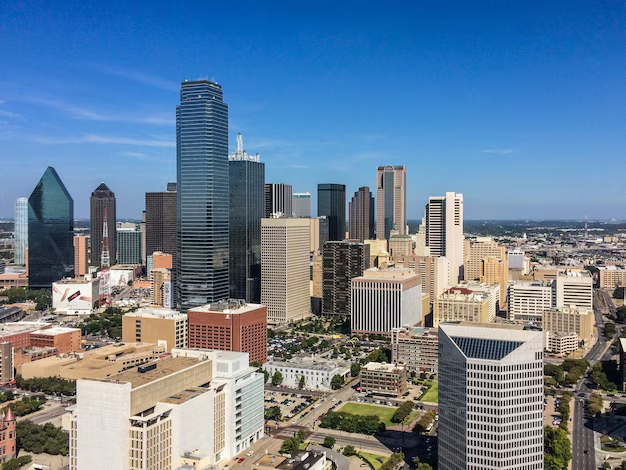
High-Rise Apartments in Atlanta: Where to Look, What to Expect, and How to Choose
Atlanta’s skyline has changed fast over the last decade, and high-rise apartments are now a major part of in-town living. Whether you want to live steps from MARTA, enjoy skyline views from your balcony, or cut your commute down to a short walk, Atlanta offers a wide range of towers to choose from.
This guide breaks down how high-rise living in Atlanta actually works—by neighborhood, budget, lifestyle, parking, transit access, and more—so you can narrow down options that fit what you need.
What Counts as a “High-Rise” Apartment in Atlanta?
In Atlanta, people usually call a building a high-rise if it’s:
- 10+ stories tall, often 15–40+ stories in major intown districts
- Built as luxury rentals, condos, or a mix of both
- Located in dense parts of the city, especially around Midtown, Buckhead, Downtown, and West Midtown
You’ll also see mid-rise buildings (5–9 stories) in many of the same neighborhoods. When you search online or talk to a leasing office, be clear that you’re looking for high-rise if the views, elevators, and tower-style amenities are important to you.
Best Atlanta Neighborhoods for High-Rise Apartments
Midtown Atlanta
Midtown is one of the top areas for high-rise living in the city.
Why people choose Midtown high-rises:
- Walkable to Piedmont Park, the Fox Theatre, restaurants, and nightlife
- Strong MARTA access with Arts Center and Midtown stations
- Many towers with pools, gyms, rooftop lounges, and coworking areas
Midtown is a good fit if you want a car-optional lifestyle and like being in the middle of the city’s arts and restaurant scene.
Buckhead
Buckhead offers a more polished, business-and-shopping-oriented high-rise experience.
Buckhead high-rise pros:
- Close to Lenox Square and Phipps Plaza
- Many buildings near Lenox and Buckhead MARTA stations
- Often features valet parking, concierge service, and upscale amenities
Buckhead high-rises suit people who want luxury finishes, proximity to corporate offices, and easy access to shopping and major roads like GA-400 and Peachtree Road.
Downtown Atlanta
Downtown high-rises tend to attract students, government workers, and people who want to be close to major venues.
What stands out Downtown:
- Walking distance to State Farm Arena, Mercedes-Benz Stadium, Georgia State University, and government offices
- Multiple MARTA rail stations: Five Points, Peachtree Center, Civic Center, GWCC/Philips Arena/CNN Center
- Mix of older converted towers and newer buildings
Downtown is ideal if you value transit access and proximity to events and offices more than a quiet, residential feel.
West Midtown & Atlantic Station
West Midtown and Atlantic Station combine an urban vibe with warehouse conversions and newer towers.
- Atlantic Station has a mix of high-rise apartments and condos around a central retail area.
- West Midtown has newer developments with loft-style units, high ceilings, and modern finishes.
This area works well if you like trendy restaurants, breweries, design shops, and easy access to I-75/I-85 while still being fairly close to Midtown.
Other Areas With Some High-Rise Options
While most high-rises are concentrated intown, you’ll find some taller buildings in:
- Perimeter Center (Sandy Springs/Dunwoody area) – near Perimeter Mall and MARTA
- Parts of Sandy Springs and Brookhaven – usually closer to major office corridors
- Along key stretches of Peachtree Road north of Buckhead
These are good if you work in Perimeter or North Fulton but still want tower-style living.
Typical Amenities in Atlanta High-Rise Apartments
Amenities are a big part of why people choose high-rises in Atlanta. Common offerings include:
Building & Community Amenities
- Rooftop or resort-style pools
- Fitness centers (often with spin rooms, yoga spaces, or weight rooms)
- Clubrooms and lounges with Wi‑Fi
- Business centers or coworking spaces
- Pet amenities: dog parks, pet washing stations
- On-site security and controlled access
- Package lockers and sometimes 24/7 package rooms
- Parking decks, with reserved or assigned spaces
In-Unit Features You’ll Often See
- Floor-to-ceiling windows or large picture windows
- Balconies with skyline views in many units
- In-unit washer/dryer
- Stone or quartz countertops, stainless steel appliances
- Walk-in closets
- Smart thermostats or keyless entry in newer buildings
The more central and new the building, the more likely you’ll see upgraded finishes and extra amenities baked into the rent.
What Does It Cost? Price Ranges for High-Rise Apartments in Atlanta
Pricing shifts quickly in Atlanta, but there are some general patterns:
- Studio / efficiency units in high-rises: Often higher than standard garden-style units elsewhere in the city because of location and amenities.
- 1-bedrooms: Typically more expensive in Midtown and Buckhead than in outlying areas.
- 2- and 3-bedrooms: Can be significantly higher, especially in top-tier towers with premium views.
Expect higher rent overall than for low-rise or garden-style apartments in outer neighborhoods, due to:
- Central locations
- Elevator construction costs
- Amenity packages
- Parking deck costs
If you’re on a tighter budget, you can:
- Look at slightly older high-rises instead of brand-new ones
- Prioritize lower floors or units without a balcony
- Consider Downtown or Perimeter area buildings as alternatives to the priciest Midtown or Buckhead towers
Parking, Traffic, and Transit: Big Factors in Atlanta High-Rise Living
Parking in High-Rise Buildings
Most high-rise apartments in Atlanta include:
- Structured parking decks, often attached to or under the building
- Assigned parking spaces, sometimes at extra cost
- Guest parking that may be limited or paid
Ask these questions when touring:
- Is parking included in the rent, or is it a separate fee?
- Is there guest parking, and is it free, validated, or paid?
- Are there EV charging stations if you drive an electric car?
Traffic and Commuting
Atlanta traffic can be intense, especially around:
- I-75/I-85 Connector through Downtown/Midtown
- GA-400 through Buckhead
- I-285 near Perimeter
One of the main reasons people choose high-rises is to shorten their commute or avoid long drives. When you evaluate a building, test your route:
- Drive it at your actual commute time if possible
- Check alternate routes (Peachtree Street, Northside Drive, surface streets)
- See how long it takes to reach grocery stores, schools, and frequent destinations
MARTA and Car-Light Living
If you want to rely less on a car, look for high-rises near MARTA rail stations. Key intown stations near clusters of towers include:
- Midtown Station – near multiple high-rise apartments and offices
- Arts Center Station – access to Midtown’s northern stretch
- North Avenue Station – between Midtown and Downtown
- Peachtree Center Station – central to Downtown high-rises
- Lenox and Buckhead Stations – near Buckhead towers
- Sandy Springs and Dunwoody Stations – serve Perimeter Center developments
MARTA’s main customer service and headquarters address:
- Metropolitan Atlanta Rapid Transit Authority (MARTA)
2424 Piedmont Rd NE
Atlanta, GA 30324
Phone: 404-848-5000
If you plan to use MARTA frequently, buildings within a 5–10 minute walk of a station can make a noticeable difference in daily convenience.
Comparing Atlanta High-Rise Areas at a Glance
| Area | Vibe & Lifestyle | Transit Access | Typical Pros | Things to Watch |
|---|---|---|---|---|
| Midtown | Artsy, walkable, busy nightlife | Strong MARTA presence | Parks + restaurants + towers combined | Can be noisy, pricier |
| Buckhead | Upscale, business & shopping | Good MARTA near core | Luxury finishes, near offices & malls | Heavy traffic |
| Downtown | Event-heavy, student & office mix | Multiple MARTA stops | Close to stadiums and gov’t centers | Fewer grocery options close by in some spots |
| West Midtown / Atlantic Station | Trendy, mixed-use, creative | Limited rail, bus routes | Modern loft-style buildings, dining | More car-dependent |
| Perimeter Area | Corporate hub, suburban-urban mix | Several MARTA stops nearby | Newer towers near offices and mall | Not truly “intown” feel |
How to Evaluate a High-Rise Apartment in Atlanta
When you tour or research high-rise apartments, focus on more than just the view.
1. Noise and Lifestyle Fit
In a city like Atlanta, noise levels can vary by floor and orientation.
Ask yourself:
- Are you okay with Peachtree Street traffic noises, sirens, or nightlife below?
- Do you prefer a building that’s more residential and quiet, or are you fine with a lively environment?
- Does the building have quiet hours or specific rules about parties and common spaces?
2. Safety and Building Access
Look into:
- Controlled entry systems (key fobs, call boxes)
- Staffing: on-site security or concierge vs. limited on-site staff
- Garage access controls for vehicles
- Lighting around entrances and parking decks
For broader neighborhood safety context, you can review information or ask questions with:
- Atlanta Police Department (APD) – Zone stations cover different areas of the city.
Main non-emergency line: 404-614-6544
Headquarters:
226 Peachtree St SW
Atlanta, GA 30303
They can clarify which zone a building is in and general safety resources, but you’ll also want to visit the area at different times of day to get your own impression.
3. Utilities and Fees
High-rises sometimes have extra fees and utility arrangements:
- Parking fees per space
- Amenity fees or “community fees”
- Trash/valet trash fees
- Water, sewer, and gas billed by the building rather than set up directly with the utility
In many parts of Atlanta, you’ll set up electric service with:
- Georgia Power
241 Ralph McGill Blvd NE
Atlanta, GA 30308
General customer service: 888-660-5890
Ask the leasing office to estimate monthly utility costs for typical usage so you can factor that into your total budget.
4. Lease Terms and Flexibility
Common lease options in Atlanta high-rises:
- 12-month leases are standard
- Some offer shorter-term leases at a premium
- Rent may vary by start date and lease length
Ask about:
- Renewal terms and typical rent increases
- Early termination options and fees
- Guest policies and subletting or roommate rules
Accessibility, Pets, and Special Considerations
Accessibility
Most Atlanta high-rises are built with:
- Elevator access to all floors
- Ramps and accessible entryways
- Some ADA-compliant units with wider doorways and modified bathrooms
If accessibility is critical, request to:
- Tour a specific accessible unit
- Confirm locations of accessible parking and building entries
- Learn how maintenance handles elevator outages or emergencies
Pets in High-Rise Buildings
Atlanta is generally pet-friendly, but each building has its own rules:
- Breed or weight restrictions may apply for dogs
- Pet deposits or monthly pet rent are common
- Some buildings offer dog parks, pet washing stations, or pet events
If you have a pet, look for nearby parks and green space. Popular spots include Piedmont Park for Midtown residents and local neighborhood parks for other areas.
For pet licensing or animal-related issues in the city of Atlanta, residents often work with:
- Fulton County Animal Services
1251 Fulton Industrial Blvd NW
Atlanta, GA 30336
Phone: 404-613-0358
How to Start Your Search for High-Rise Apartments in Atlanta
Here’s a step-by-step way to narrow down your options:
Choose your primary area
- Midtown, Buckhead, Downtown, West Midtown, Perimeter, or another corridor based on where you work or spend most of your time.
Set your total monthly housing budget
- Include: rent + parking + estimated utilities + any amenity fees.
Decide your must-haves
- Example: in-unit washer/dryer, balcony, pet-friendly, garage parking, walkable to MARTA, or 24/7 concierge.
Create a short list of buildings
- Focus on 3–6 buildings in your top one or two neighborhoods.
Tour in person if possible
- Visit at different times (rush hour vs. late evening).
- Take note of street noise, lobby feel, and how busy the amenities are.
Compare using a simple checklist
- Price, commute time, noise level, amenities, lease flexibility, parking terms, and general comfort with the area.
Local Offices and Agencies That Can Help Indirectly
While there isn’t a single city office that matches renters with high-rises, a few local entities can support parts of the process:
City of Atlanta Department of City Planning
55 Trinity Ave SW, Suite 1450
Atlanta, GA 30303
Phone: 404-330-6070
Useful for: zoning maps, understanding development patterns in certain neighborhoods.Atlanta Housing Authority (AHA)
230 John Wesley Dobbs Ave NE
Atlanta, GA 30303
Phone: 404-892-4700
Useful for: learning about income-restricted or voucher-compatible housing; some high-rises may participate in specific programs.Fulton County Tax Assessor’s Office (for condo buyers researching buildings)
141 Pryor St SW, Suite 2052
Atlanta, GA 30303
Phone: 404-612-6440
Useful for: checking property records, ownership info, and tax status for condo towers.
For most renters, though, the main work will be done directly with leasing offices at each building or through local real estate professionals who handle rentals.
High-rise apartments in Atlanta offer a wide range of experiences—from Midtown’s artsy energy to Buckhead’s polished skyline, Downtown’s event-driven atmosphere, and West Midtown’s creative edge. Once you know your preferred neighborhood, commute needs, and budget, you can quickly narrow down which towers actually fit your lifestyle and make high-rise living in Atlanta work for you.