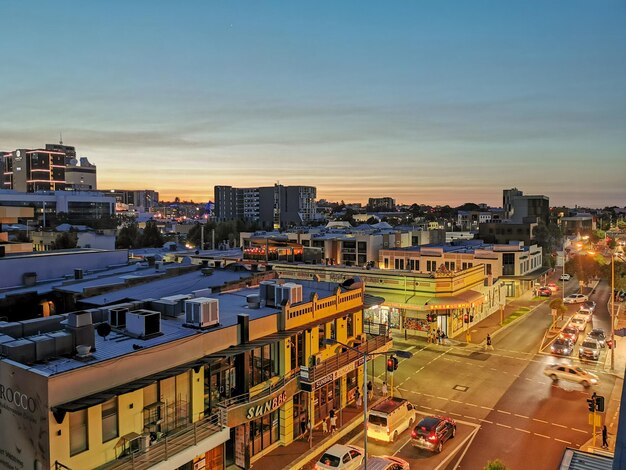
High Street Atlanta: What to Know About the New Mixed-Use Destination
High Street Atlanta is one of the major new mixed-use developments rising in the Perimeter Center area of metro Atlanta, near Dunwoody and Sandy Springs. If you live in Atlanta, commute to Perimeter, or visit the city often, you’re likely to hear more about High Street as it continues to open in phases.
This guide walks through what High Street Atlanta is, where it is, what you can expect there, and how it fits into the broader Atlanta lifestyle and real estate landscape.
What Is High Street Atlanta?
High Street Atlanta is a large, planned mixed-use development that combines:
- Retail and dining
- Apartments and residential living
- Office space
- Hotels and entertainment
- Public plazas and pedestrian-friendly streets
The idea is similar to other well-known Atlanta mixed-use projects like Avalon, The Battery Atlanta, and Colony Square: create a walkable “mini-district” where people can live, work, shop, and hang out without needing to drive from place to place.
For Atlanta residents, High Street is intended to be:
- A new place to shop and dine in the Perimeter area
- An option for urban-style apartment living outside of Midtown/Buckhead
- A hangout and entertainment spot near major employers and Perimeter Mall
Where Is High Street Atlanta Located?
High Street sits in the Perimeter Center area, just north of I-285 and near Georgia 400, in the city of Dunwoody but functionally part of the larger Atlanta metro core.
General area details:
- Near Perimeter Mall
- Close to Dunwoody MARTA Station
- Surrounded by major office towers and corporate campuses
- Easy access to I-285 and GA-400
If you already know Perimeter Mall, think of High Street as being in that same cluster of development, but designed to be more walkable and street-level than a traditional indoor mall.
What Will You Find at High Street Atlanta?
Because High Street is being built and opened in phases, the exact list of shops, restaurants, and amenities will grow over time. However, the general plan includes:
Shopping and Retail
High Street is expected to feature a mix of:
- National brands (fashion, lifestyle, and specialty retailers)
- Service-focused storefronts (fitness studios, salons, etc.)
- Local and regional concepts where possible
Residents in north Atlanta often look to Perimeter Mall, Avalon, and Lenox Square for major shopping; High Street is designed to add street-level storefronts and a more “city block” feel to that mix.
Dining and Nightlife
For dining, High Street plans to offer:
- Casual spots for lunch, coffee, and quick bites
- Sit-down restaurants suitable for date nights or business dinners
- Bars and lounges that give after-work crowds and residents a place to unwind
If you work in one of the nearby Perimeter office towers, High Street will likely become another go-to lunch and happy hour destination, in addition to existing options along Hammond Drive, Ashford Dunwoody Road, and around Perimeter Mall.
Residential Living
High Street includes apartment communities built into the development. For renters, that typically means:
- Walkable access to shops, restaurants, and (potentially) your office
- Proximity to MARTA and major highways
- Modern, amenity-heavy buildings (pools, fitness centers, co-working spaces, etc.)
This can be especially appealing for:
- Young professionals working in Perimeter Center, Buckhead, or Midtown
- People relocating to Atlanta who want urban-style living but not right in the core of the city
- Residents who prefer transit access and walkability over a traditional suburban subdivision
Offices and Workspaces
High Street’s office space is intended to blend into the walkable street grid so that:
- Workers can walk to lunch, coffee, and errands
- Companies can offer employees a more “live-work-play” environment
- The area stays active beyond traditional 9-to-5 hours
If you commute to Perimeter Center, High Street may eventually be part of your daily work neighborhood.
Entertainment and Public Space
Most mixed-use projects in Atlanta now prioritize:
- Public plazas and green space
- Outdoor seating areas
- Seasonal events like outdoor movies, holiday activations, or small festivals
High Street is planned with similar features so it functions as a gathering place, not just a shopping center.
High Street vs. Other Atlanta Mixed-Use Destinations
High Street will join a growing list of mixed-use hubs across metro Atlanta. Here’s a simple comparison to help you understand where it fits:
| Area / Project | General Location | Vibe / Use Case |
|---|---|---|
| High Street Atlanta | Perimeter Center (Dunwoody) | Urban-style streets, close to offices and MARTA, live-work-play for north ATL |
| The Battery Atlanta | Cobb County (Truist Park) | Braves games, entertainment, bars, restaurants, apartments |
| Avalon | Alpharetta | Upscale shopping, dining, suburban mixed-use with strong retail |
| Colony Square | Midtown Atlanta | In-city office/retail/food hall, heavy lunch and after-work crowd |
| Ponce City Market | Old Fourth Ward | Historic building, food hall, BeltLine access, tourism + local |
If you live in Dunwoody, Sandy Springs, Brookhaven, or north Dekalb, High Street is likely to become one of your closest walkable destinations.
Getting to High Street Atlanta
Because High Street is right in the Perimeter area, you have multiple ways to get there.
By Car
High Street is just off:
- I-285 (Perimeter loop)
- GA-400, with nearby interchanges
Expect typical Perimeter traffic patterns, especially:
- Morning and evening rush hours
- Lunchtime on weekdays
- Peak holiday shopping seasons
Parking is typically structured or deck-based in mixed-use projects like this, often with paid or validated parking depending on where and when you park. Always check posted signs and any development-specific guidance as you arrive.
By MARTA
One of High Street’s major advantages compared to some other suburban developments is its proximity to MARTA rail:
- Dunwoody Station (Red Line) is the key nearby station in the Perimeter area.
- From the station, you can typically walk to nearby offices and retail, and High Street is designed to be within that walkable radius.
This makes High Street appealing if you:
- Live along the Red Line (e.g., Buckhead, Midtown, North Springs corridor)
- Want to avoid driving and parking in Perimeter
- Commute to work nearby and want after-work options without getting back in the car
Who Is High Street Atlanta Best For?
High Street will serve several different groups in and around Atlanta:
Local Residents
- Dunwoody and Sandy Springs residents looking for more dining and retail options
- People in nearby neighborhoods who want a walkable night out without going all the way to Midtown, Inman Park, or the BeltLine
- Families who appreciate open plazas and public spaces for casual outings
Workers in Perimeter Center
For thousands of people who already:
- Work in nearby office towers
- Park in large decks or arrive via MARTA
High Street adds:
- More lunch spots and coffee options
- After-work bars and restaurants
- A more “urban core” feel in an area that has historically been dominated by stand-alone office buildings and large parking lots
Renters and New Atlantans
High Street’s apartments may appeal if you:
- Are new to Atlanta and want a turnkey, walkable lifestyle in a major commercial district
- Prefer to avoid a car-centric routine, especially if you work nearby or along the Red Line
- Are weighing options between Buckhead, Midtown, and Perimeter and want something a bit quieter but still active
How High Street Fits Into the Atlanta Development Pattern
If you’re trying to understand how High Street fits into the bigger picture of Atlanta growth, a few themes are helpful:
- Perimeter Center is becoming a second “downtown” for the northern suburbs, with major employers, shopping, and dining already in place.
- Developers are increasingly turning large parking lots and underused parcels into denser, walkable grids that feel more like city blocks than suburban strips.
- Projects like High Street aim to keep areas active beyond business hours, which can improve safety, convenience, and overall appeal.
For current residents, this likely means:
- More local options without needing to drive into the city core
- Heavier traffic at peak times as more people live, work, and hang out in Perimeter
- Rising interest in transit, sidewalks, and bike connections to balance car dependence
Tips for Making the Most of High Street (As It Opens)
As High Street continues to build out, a few practical tips can help you navigate it more smoothly:
- Check current tenant lists before you go if you’re looking for specific shops or restaurants; openings are often phased.
- If you work nearby, time your visits (lunch, coffee, errands) slightly before or after the main rush to avoid lines.
- If you dislike driving in Perimeter traffic, consider MARTA to Dunwoody Station and walking in, especially for evenings or weekends.
- For residents comparing apartments, evaluate:
- Noise levels from street activity
- Proximity to MARTA and your office
- Parking arrangements (assigned spots, guest parking, fees)
Nearby Public and Civic Resources in the Area
If you are considering living or spending significant time near High Street, a few nearby public touchpoints can be helpful:
City of Dunwoody Government
– City Hall: 4800 Ashford Dunwoody Road, Dunwoody, GA 30338
– Handles local zoning, planning, and community events for the area around High Street.MARTA – Dunwoody Station (Red Line)
– 1200 Hammond Drive, Dunwoody, GA 30328
– Main rail access point for Perimeter Center, useful for commuting to and from High Street.DeKalb County Public Library – Dunwoody Branch
– 5339 Chamblee-Dunwoody Road, Dunwoody, GA 30338
– Offers community programming, study spaces, and events if you live or work nearby.
High Street Atlanta is designed to be another major live-work-play hub in the metro, with a strong focus on Perimeter Center residents and workers. If you’re an Atlantan who spends time on the north side of the city, it will likely become a regular part of your options for living, dining, shopping, and meeting up.