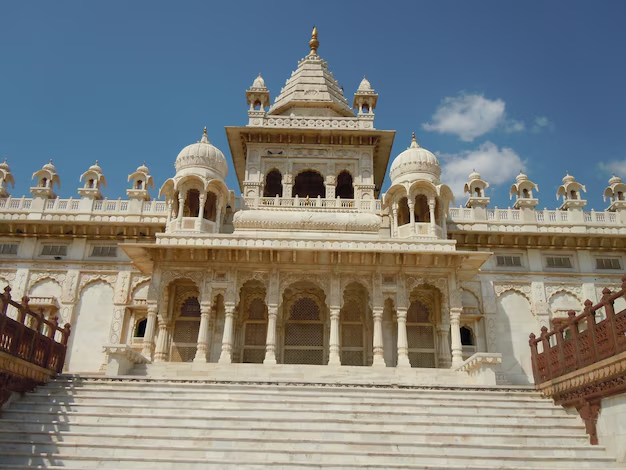
Hindu Temples in Atlanta: Your Guide to Hindu Temple of Atlanta and More
Atlanta has a vibrant Hindu community, and if you’re searching for “Hindu Temple Atlanta,” you’re most likely looking for the Hindu Temple of Atlanta in Riverdale—one of the largest and best-known Hindu temples in the metro area. You might also be interested in other temples closer to where you live, how to visit, what to expect, and how festivals are celebrated here.
This guide walks you through the main Hindu temples in and around Atlanta, with a focus on Hindu Temple of Atlanta, plus practical tips for visiting, worship, events, and community life.
The Hindu Temple of Atlanta (Riverdale): Overview
The Hindu Temple of Atlanta is one of the most established and recognizable Hindu temples serving metro Atlanta.
Location (Greater Atlanta Area)
• Address: 5851 Georgia Highway 85, Riverdale, GA 30274
• Area: South of Atlanta, generally a 20–35 minute drive from many parts of the city, depending on traffic
Though it’s physically in Riverdale, people across the region commonly refer to it as the “Hindu Temple in Atlanta” because of its size, history, and central role in the Hindu community.
What Makes This Temple Stand Out
The temple complex typically includes:
- Balaji (Venkateswara) Temple – Inspired by Lord Venkateswara of Tirupati
- Shiva Temple – With shrines dedicated to Shiva and other deities
- Multiple smaller shrines for Ganesha, Durga, Hanuman, and other deities
- Large halls for cultural programs, classes, and community events
- A temple canteen (when operating) serving traditional Indian vegetarian food
For many Hindus in Atlanta, this temple is a central hub for:
- Daily darshan and puja
- Major Hindu festivals
- Cultural events, language classes, and youth activities
Main Services and Activities at Hindu Temple of Atlanta
Daily Worship (Darshan and Puja)
Most days, the temple offers:
- Open darshan hours for devotees to visit and offer prayers
- Regular aarti and archana timings
- Special abhishekams and homams on specific days (such as Pradosham, Ekadashi, Purnima, or specific deity days)
⏰ Tip: Timings can change based on weekday, weekend, or festival days. It’s wise to call ahead or check their posted schedule before driving from central Atlanta.
Special Pujas and Religious Services
Visitors often use the Hindu Temple of Atlanta for:
- Sankalpa and archana in individual names
- Grihapravesham (housewarming) and Vastu pujas
- Satyanarayan puja, Ganapati homam, and other special rituals
- Naming ceremonies, annaprashan, and other samskaras
- Priest services at home in the Atlanta area (often by prior appointment)
Devotees usually book these services in advance through the temple office.
Festivals Celebrated at the Temple
If you’re in Atlanta and want to experience Hindu festivals in a community setting, this temple is often one of the busiest places to go.
Commonly observed festivals include:
- Diwali / Deepavali – Lamps, special pujas, cultural programs, and often heavy evening crowds
- Navaratri – Golu displays, Devi puja, music and dance programs
- Ganesh Chaturthi – Ganesha idols, special homam and visarjan activities
- Ugadi, Tamil New Year, Vishu, Pongal, Sankranti – Regional New Year and harvest celebrations
- Krishna Janmashtami, Rama Navami, Mahashivaratri, and more
On festival days, expect:
- Very crowded parking
- Longer lines for darshan
- Extended temple hours and multiple aarti sessions
If you’re new to Atlanta or visiting, festivals are a great way to experience the local Hindu community and cultural performances.
Cultural and Educational Programs
The Hindu Temple of Atlanta typically supports:
- Language classes (such as Hindi, Telugu, Tamil, or others, depending on volunteers)
- Bhajan and music groups
- Dance and cultural programs for youth
- Religious discourses or pravachans when visiting scholars or swamis are in town
Many Atlanta families use the temple as a place for their children to stay connected with Indian languages and traditions.
Practical Tips for Visiting Hindu Temple of Atlanta
What to Wear and Bring
Most Atlanta-area Hindu temples have similar expectations:
- Dress modestly:
- Long pants or long skirts preferred
- Tops that cover shoulders and are not low-cut
- Remove shoes before entering the main temple area
- You may bring:
- A small offering like fruits, flowers, or sweets (often available at nearby Indian grocery stores)
- A shawl or light sweater, as some areas are air-conditioned
Etiquette Inside the Temple
Common practices include:
- Enter quietly and keep phones on silent
- No photography in sanctum areas if there are signs prohibiting it
- Walk in a clockwise direction when doing pradakshina (circumambulation) around sanctums
- Sit quietly in the hall if a puja, homam, or aarti is in progress
- Follow instructions from priests or volunteers, especially on crowded days
If you’re new to Hindu temples, it’s perfectly acceptable to observe respectfully and follow others’ lead.
Parking and Getting There from Atlanta
For someone starting in Atlanta proper:
- Driving via I-75/85 and then connecting to GA-85 is common
- Travel time varies with traffic, particularly during rush hours and weekends
Parking is typically on-site, but:
- On major festival days, lots may fill up quickly
- Expect to walk a bit from your car to the main temple buildings
If you don’t drive, rideshare services are often the most practical way to get from central Atlanta to Riverdale.
Other Prominent Hindu Temples in the Atlanta Area
While “Hindu Temple Atlanta” usually refers to the Riverdale temple, metro Atlanta has several other Hindu temples. Depending on where you live or stay, one of these might be closer or align with your regional or sectarian traditions.
Below is a simple overview table to help you orient yourself:
| Temple (Metro Atlanta) | General Area / Direction from Downtown | Typical Focus / Style* |
|---|---|---|
| Hindu Temple of Atlanta (Riverdale) | South (Riverdale) | Balaji, Shiva, multiple deities |
| BAPS Shri Swaminarayan Mandir (Lilburn) | Northeast (Lilburn) | Swaminarayan tradition, ornate marble mandir |
| Sanatan Mandir (Smyrna) | Northwest (Smyrna) | North Indian style, multiple deities |
| Shree Shakti Mandir (Lake City) | South (Lake City) | Devi-focused (Shakti), multiple deities |
| Ramakrishna Vedanta Society (Decatur) | East (Decatur) | Vedanta, meditation, lectures |
*Focus and programs may evolve over time; check directly with each temple for current details.
BAPS Shri Swaminarayan Mandir (Lilburn)
- Located in Lilburn, northeast of Atlanta
- Known for its grand, intricately carved stone and marble architecture
- Offers daily darshan, aarti, Sunday assemblies, and cultural programs
- Popular with visitors of all backgrounds for its peaceful atmosphere and architecture tours
Sanatan Mandir (Smyrna)
- Located in Smyrna, convenient to northwest Atlanta suburbs
- Generally follows a North Indian style of worship
- Hosts festival celebrations, Sunday school, bhajans, and cultural events
Shree Shakti Mandir (Lake City)
- Located in Lake City, also south of Atlanta
- Strong emphasis on Devi (Shakti) worship
- Active during Navaratri, Durga Puja, and related festivals
Ramakrishna Vedanta Society of Atlanta (Decatur)
- Located in Decatur, near East Atlanta and Emory area
- Focus on Vedanta philosophy, meditation, scriptural study, and interfaith understanding
- Regular lectures, devotional singing, and quiet meditation hours
How to Choose a Hindu Temple in Atlanta
If you’re new to the city or visiting, you may be unsure which temple is the best fit. These factors can help you decide:
1. Location and Commute
Atlanta traffic can be significant. Many people choose a temple based on:
- Proximity to home or hotel
- How easy it is to reach on weekends or evenings
- Parking availability and neighborhood familiarity
For south metro residents, the Hindu Temple of Atlanta and Shree Shakti Mandir are common choices; for those in the northeast, BAPS Mandir may be closer.
2. Tradition and Deity Preference
Different temples may emphasize:
- Vaishnava traditions (Venkateswara, Krishna, Rama)
- Shaiva traditions (Shiva, Parvati, Ganesha)
- Shakta traditions (Devi, Durga, Lakshmi, Kali)
- Specific sampradaya or lineage (such as Swaminarayan, Ramakrishna Order)
If you have a family tradition, you might prefer the temple that matches your preferred deity or style of worship. The Hindu Temple of Atlanta, with multiple shrines, often suits families with diverse devotional practices.
3. Services and Programs Offered
Consider what you need regularly:
- Daily darshan and aarti
- Ability to book home pujas or special ceremonies
- Sunday school, youth programs, or language classes for children
- Spiritual discourses, satsangs, or meditation groups
For many Atlanta families, the combination of religious, cultural, and educational activities is what makes a specific temple their long-term community base.
Attending Festivals and Big Events in Atlanta Temples
What to Expect on Major Festival Days
On big occasions like Diwali, Navaratri, Janmashtami, or Ganesh Chaturthi, temples in the Atlanta area (especially Hindu Temple of Atlanta and BAPS Mandir) can be extremely busy.
Common experiences include:
- Traffic and parking delays near the temple
- Organized queues for darshan
- Additional security and volunteer presence
- Food stalls, prasad distribution, or canteen specials
- Cultural programs with dance, music, and children’s performances
If you’re bringing elderly family members or young children, consider:
- Visiting earlier in the day when crowds may be lighter
- Bringing water and planning for some waiting time
Getting Involved in the Community
Many Atlanta temples welcome new volunteers and participants. You might be able to:
- Help with festival arrangements and decoration
- Assist in food service or prasad distribution
- Participate in music, dance, or drama programs
- Support youth activities, camps, or classes
This can be a meaningful way to meet other Atlanta-area families and build a support network, especially if you’re new to the city.
If You’re Completely New to Hindu Temples
Whether you live in Atlanta or are visiting from elsewhere, you may have never stepped into a Hindu temple before. Most major temples in the area, including the Hindu Temple of Atlanta, are used to visitors and newcomers.
Here are a few simple points to remember:
- It’s fine to enter even if you are not Hindu, as long as you are respectful
- You’re not required to participate in rituals; you can observe quietly
- If you’re unsure what to do, you can:
- Watch what others do at the entrance and sanctum
- Ask a volunteer or front-desk staff for basic guidance
- Many temples have informational boards or brochures describing deities and customs in simple terms
For Atlanta residents with friends or coworkers curious about Hinduism, bringing them to a temple for a short, guided visit can be an approachable introduction.
Quick Summary: Finding and Visiting Hindu Temples in Atlanta
Key takeaways for “Hindu Temple Atlanta”:
- The term often refers to the Hindu Temple of Atlanta in Riverdale, a major religious and cultural center for Hindus across metro Atlanta.
- The temple offers daily worship, special pujas, festival celebrations, classes, and community events, serving a wide range of traditions.
- Metro Atlanta also has other significant temples, including BAPS Shri Swaminarayan Mandir (Lilburn), Sanatan Mandir (Smyrna), Shree Shakti Mandir (Lake City), and Ramakrishna Vedanta Society (Decatur).
- When choosing a temple, Atlanta residents usually consider location, traffic, tradition, and available programs.
- Visitors should be prepared for modest dress, shoe removal, and quiet, respectful behavior, and may want to plan ahead for festival crowds and parking.
Whether you live in Atlanta full-time or are here for a short visit, the region’s Hindu temples offer a way to worship, connect with community, and experience vibrant cultural traditions close to home.