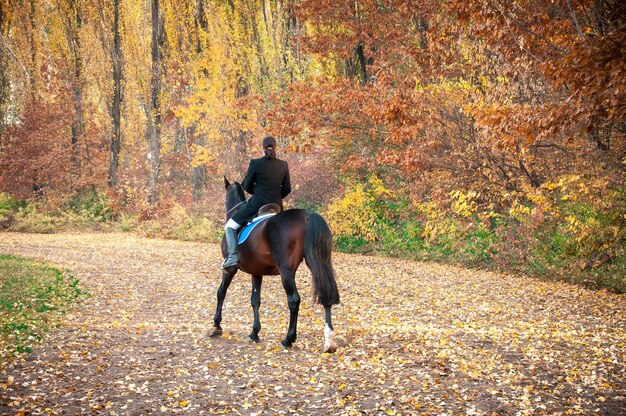
Horseback Riding in Atlanta: Best Trails, Lessons, and Local Stables
Horseback riding in Atlanta offers more variety than many people expect. Within an hour of downtown, you can find guided trail rides, riding lessons, kids’ pony programs, and even therapeutic riding—all without leaving the metro area.
Whether you live in the city or you’re just visiting, this guide walks you through where to ride, what it costs, what to wear, and how horseback riding works in and around Atlanta.
Types of Horseback Riding Experiences Near Atlanta
Before you pick a barn or trail, it helps to know the main riding options you’ll see around Atlanta:
- Guided trail rides – Relaxed rides on forest or pasture trails, usually 1–2 hours, great for beginners.
- Riding lessons – Structured instruction (English or Western) in arenas; good for kids, teens, and adults who want real skills.
- Kids’ pony rides and camps – Hands-on experiences for younger children, often including grooming and basic horse care.
- Therapeutic and adaptive riding – Programs that use horses to support physical, emotional, or developmental needs.
- Leasing, boarding, and training – For locals who ride regularly or own/lease a horse.
Most Atlanta-area stables sit just outside the dense urban core—in areas like Alpharetta, Milton, Canton, Conyers, and Douglas County—where land is more open but still an easy drive from the city.
Quick Comparison: Popular Riding Options Around Atlanta
The specific businesses and programs available can change, but the types of experiences you can expect are fairly consistent across the metro area.
| Type of Experience | Best For | Typical Distance from Downtown | Typical Price Range* |
|---|---|---|---|
| Guided Trail Ride | Visitors, beginners, casual fun | 30–60 minutes by car | $$ (per rider, per hour) |
| Private Riding Lesson | Serious beginners, advancing | 30–45 minutes | $$–$$$ (per lesson) |
| Group Riding Lesson | Budget learning, social | 30–45 minutes | $–$$ |
| Kids’ Pony Ride/Session | Young children (3–8) | 30–60 minutes | $–$$ |
| Summer / Holiday Camps | School-age kids | 30–60 minutes | $$$ (per week) |
| Therapeutic Riding | Riders with special needs | 30–60 minutes | Varies; may have subsidies |
*Prices vary widely by barn, program, and duration. Call ahead for current rates.
Where to Go Horseback Riding Around Atlanta
Below are common areas and facility types that Atlanta riders use. Specific barns and programs come and go over time, so always verify current details directly with the facility.
North of Atlanta: Alpharetta, Milton, Canton, and Cumming
The north metro is known for its concentration of riding schools and competition barns, especially in:
- Milton and Alpharetta (Fulton County)
- Canton (Cherokee County)
- Cumming (Forsyth County)
Here you’ll commonly find:
- English riding programs (hunter/jumper, dressage)
- Western lessons and sometimes barrel or trail-focused programs
- Boarding barns with covered arenas and lights for year-round riding
- Youth lesson programs and IEA/competitive teams
These areas are popular with Atlanta residents who are willing to commute 30–45 minutes for higher-end facilities and consistent lesson programs.
East and Southeast: Conyers, Covington, and Rockdale / Newton Counties
To the east and southeast of the city, near areas like Conyers and Covington, there are:
- Trail riding outfits that use wooded and pasture land
- Western riding schools
- Some family-run barns that offer reasonably priced lessons and camps
This side of the metro is often a bit less crowded than the north side and can be easier to reach from Intown, Decatur, or East Atlanta via I‑20.
West and Southwest: Douglasville, Powder Springs, Fairburn, and Palmetto
West and southwest of Atlanta, you’ll find:
- Trail-focused stables with access to rolling pastures and forest trails
- Beginner-friendly lesson barns
- Some boarding and training facilities geared toward Western riders
These regions can be convenient if you are coming from Midtown, Downtown, or the Airport area, especially via I‑20 West or I‑85 South.
Public Lands and Equestrian Trails Near Atlanta
Several Georgia state and regional parks within driving distance of Atlanta offer horse-friendly trails or equestrian areas. Rules and access can change, so check before you go.
State-Level Contacts for Equestrian Trails
If you’re planning to bring your own horse or are just exploring where equestrian trail systems exist, these official contacts are helpful:
Georgia Department of Natural Resources – State Parks & Historic Sites Division
2 Martin Luther King Jr. Drive SE, Suite 1252 East Tower
Atlanta, GA 30334
Phone: (404) 656-2770
They can guide you to parks with bridle trails, trailer parking, and camping options for equestrians.Georgia Forestry Commission (for some state forest equestrian access)
5645 Riggins Mill Road
Dry Branch, GA 31020
Phone: (478) 751-3500
While these offices are not riding stables, they are reliable sources for up-to-date rules about where horses are allowed, permits, and seasonal closures.
Horseback Riding Lessons in Atlanta: What to Expect
If you live in Atlanta (or nearby suburbs) and want to learn to ride, not just try it once, a lesson program is usually the best fit.
English vs. Western Riding
Most Atlanta-area barns teach one or both of these styles:
English riding
Common in Alpharetta, Milton, Canton, and other north metro barns. Often focuses on:- Hunter/jumper
- Dressage
- Eventing basics
Western riding
More common in outer suburbs and rural edges of the metro. Often focuses on:- Trail and pleasure riding
- Basic Western equitation
- Sometimes speed events such as barrel racing (at more specialized barns)
Both styles are suitable for beginners. Many people in Atlanta choose based on:
- Which barns are closest
- Whether they picture themselves on trails vs. jumping fences
- Availability of lesson slots that match their schedule
Age Requirements
Typical patterns around Atlanta:
- Kids’ lead-line or “tiny tot” lessons: often start around age 4–6
- Regular group lessons: often start around age 7–8
- Adults: there is usually no upper age limit as long as the rider can participate safely
Each barn sets its own rules, so ask specifically about minimum age and any health or fitness considerations.
Lesson Format and Frequency
Common features of Atlanta riding programs:
Private lessons (one-on-one):
- Most helpful for new riders or nervous adults
- Typically 30–60 minutes
Group lessons:
- Often 2–6 riders per group
- More budget-friendly
- Good for social learning and children
Many barns encourage or require a weekly commitment, especially for youth riders. Some offer package pricing (e.g., four lessons per month at a set rate).
Trail Rides and One-Time Experiences Near Atlanta
If you’re visiting Atlanta or just want a single fun outing, a guided trail ride is usually the easiest option.
Typical characteristics of guided trail rides around Atlanta:
- Duration: 1–2 hours
- Skill level: Often suitable for true beginners (walk-only or walk–trot)
- Weight limits: Many stables have a rider weight limit for horse welfare; always ask when booking.
- Age limits: Young children may ride on lead lines or do shorter pony rides instead of full trail rides.
- Required reservations: Most operations near Atlanta require advance booking, especially on weekends and holidays.
You’ll usually be asked to arrive 15–30 minutes early to sign waivers, get fitted for helmets, and receive a short safety briefing.
What to Wear Horseback Riding in Atlanta
Atlanta’s weather and terrain influence what’s most comfortable and safe to wear.
Basic Clothing
Most barns around Atlanta recommend:
- Long pants (jeans or riding leggings) to protect your legs from rubbing.
- Closed-toe shoes with a small heel, such as:
- Paddock boots or riding boots
- Sturdy boots with a smooth sole
(Avoid sneakers for safety where possible, unless the barn allows them for beginner pony sessions.)
Helmet Use
- Reputable Atlanta barns require ASTM/SEI-approved riding helmets for minors and often for adults.
- Most will provide helmets for lesson and trail riders.
- If you plan to ride regularly, many local riders choose to buy their own helmet from a tack store for comfort and hygiene.
Weather Considerations in Atlanta
Atlanta’s climate is hot and humid in summer and mild to cool in winter:
Summer (May–September)
- Lightweight, breathable shirts
- Sunscreen and bug spray (check the barn’s policies)
- Plenty of water; many barns have water coolers or vending machines
Winter (December–February)
- Layers you can remove (riding can warm you up quickly)
- Gloves and ear warmers that fit under a helmet
- Waterproof or insulated boots if riding outdoors
Safety and Liability in Atlanta Horseback Riding
Stable operators around Atlanta typically take safety seriously, but riding always carries risks.
Common Safety Practices
Most Atlanta-area barns:
- Require waivers and release forms
- Provide or require riding helmets
- Match horses to riders by size, experience, and temperament
- Start beginners in a fenced arena or on calm horses at a walk
If you’re unsure about a program’s safety standards, you can:
- Ask how long they’ve been operating
- Ask how they screen and train their horses
- Observe a lesson or trail ride group (many barns allow this if you call ahead)
Georgia Law and Equine Activities
Georgia, including the Atlanta area, follows an “equine activity liability” framework. In practice, this often means:
- Facilities post warning signs stating that equine activities involve inherent risks.
- Riders (or parents/guardians) sign waivers acknowledging these risks.
This does not mean barns can ignore safety, but it does mean you should read all paperwork carefully and ask questions if you’re unsure about any part of it.
Costs of Horseback Riding in Atlanta
Prices vary widely by barn, location, and type of program, but these general patterns are common around Atlanta:
Guided trail rides:
- Typically charged per rider, per hour
- Longer rides or private outings cost more
Private lessons:
- Usually more expensive than group lessons
- Often 30–60 minutes in length
Group lessons:
- Lower per-lesson cost
- Often sold in monthly packages
Camps:
- Priced by the week, especially in summer
- Full-day camps are more expensive than half-day camps
When comparing prices, also ask about:
- Cancellation policies (important with Atlanta’s sudden storms)
- Required gear (if you need to purchase boots or helmets)
- Additional fees for show coaching, horse leasing, or off-site trail access
Special Programs: Therapeutic and Adaptive Riding Around Atlanta
Several programs in and around Atlanta focus on therapeutic or adaptive riding for:
- Children and adults with developmental or physical disabilities
- Veterans
- Individuals dealing with emotional or behavioral challenges
These programs usually include:
- Specially trained horses
- Instructors with additional certifications or training
- Safety protocols tailored to each rider’s needs
To explore options:
- Look for “therapeutic riding” or “adaptive riding” programs in the Atlanta metro.
- Many are associated with broader therapeutic or non-profit organizations and may offer financial aid or scholarships.
Always discuss any medical or therapeutic goals with the program directly; they can explain what they can and cannot provide.
How to Choose a Stable or Program in the Atlanta Area
When you’re comparing horseback riding options near Atlanta, consider:
Distance and drive time
- Traffic on GA‑400, I‑75, I‑85, and I‑20 can be heavy at rush hour.
- Map the trip for the actual day and time you expect to go.
Discipline and goals
- Casual trail ride vs. long-term lessons
- English vs. Western
- Competition vs. recreational focus
Instructor qualifications
- Ask how long instructors have been teaching.
- For kids, ask about experience with children and class size.
Horse care and facility condition
- Horses should appear well-fed, calm, and clean enough to indicate basic care.
- Arenas and barns should be reasonably maintained and safe.
Program structure
- Consistent weekly lessons vs. drop-in options
- Clear progression for riders who want to advance
Communication and policies
- Clear explanation of cancellation, weather, and safety policies
- Easy to reach by phone or email
Helpful Local Contacts and Resources
If you want broader information about horses, agriculture, or youth programs in the Atlanta region, these official local offices can be useful starting points:
University of Georgia Cooperative Extension – Fulton County
1757 E. Atlanta Road
Stockbridge, GA 30281 (regional office serving Fulton via surrounding area)
Phone: (770) 288-8421
They can help direct you to 4‑H horse programs, educational events, and local agricultural resources connected to the Atlanta area.Fulton County Government – Parks and Recreation (for local parks that may have equestrian connections or nearby trails)
Government Center
141 Pryor Street SW
Atlanta, GA 30303
Phone: (404) 612-4000
These offices do not operate riding stables themselves, but they can point Atlanta residents toward local youth programs, regional horse events, and educational opportunities.
Making the Most of Horseback Riding in Atlanta
To get started with horseback riding around Atlanta:
- Decide whether you want a one-time trail ride or ongoing lessons.
- Choose your direction from the city (north, east, west, or south) based on your home or hotel location and traffic patterns.
- Call ahead to a few barns to ask about:
- Availability
- Age and weight limits
- Skill level requirements
- Current prices and policies
- Plan your outfit (long pants, boots, and a helmet if you own one).
- Arrive early to sign paperwork and get comfortable around the horses.
With the right stable and a bit of preparation, horseback riding in the Atlanta area can be a safe, memorable way to spend a weekend, explore nature, or build a new long-term hobby.