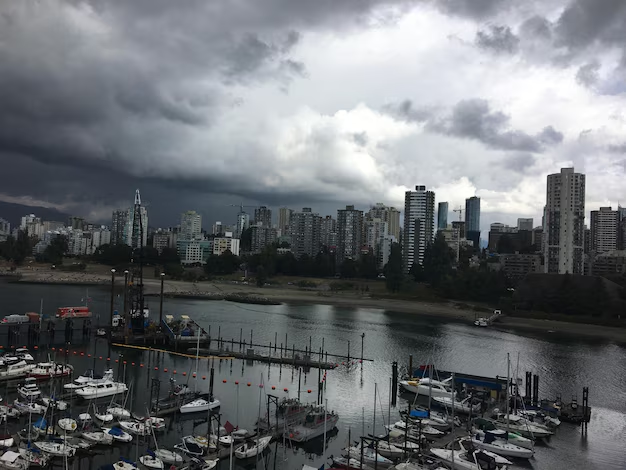
Hurricane Risks in Atlanta: What Residents and Visitors Need to Know
Atlanta might sit far from the coast, but hurricanes still matter here. When a storm makes landfall on the Gulf Coast or Atlantic, its remnants often track toward north Georgia, bringing heavy rain, flooding, strong winds, and power outages to the Atlanta metro area.
If you live in Atlanta, are visiting, or are planning a trip, understanding how hurricanes affect Atlanta helps you prepare and stay safe.
Does Atlanta Get Hurricanes?
Atlanta does not typically experience hurricanes at full strength the way coastal cities do. By the time a storm reaches metro Atlanta, it is usually:
- A tropical storm
- A tropical depression
- Or a remnant low (a weakened storm system)
However, the impacts can still be serious, especially in terms of:
- Flash flooding
- Downed trees and power lines
- Tornadoes spinning up in outer bands
- Multi-day power outages
Atlanta is surrounded by heavily wooded neighborhoods, older trees, and dense infrastructure. That means even a downgraded storm can cause significant disruption.
Hurricane Season in Atlanta
When hurricane threats are most likely
The official Atlantic hurricane season runs from June 1 to November 30, with the peak months for Atlanta impacts typically:
- August
- September
- October
During this period, storms that make landfall in:
- The Florida Panhandle
- The Gulf Coast (Alabama, Mississippi, Louisiana)
- The Georgia and Carolina coasts
may track inland toward Georgia, bringing storms to metro Atlanta within a day or two.
What this means for you in Atlanta
During hurricane season, Atlantans should:
- Pay more attention to tropical storm forecasts
- Expect the possibility of school closures or shifts to remote work during major events
- Be prepared for localized flooding, especially in low-lying or creek-adjacent areas
How Hurricanes Impact Atlanta Specifically
1. Heavy rain and flooding
Even if wind speeds are not extreme, tropical systems carry a lot of moisture. In Atlanta, this often leads to:
- Flash flooding on roadways, underpasses, and creek crossings
- Overflow along Peachtree Creek, Proctor Creek, South River, and other local waterways
- Flooding in low-lying neighborhoods or basement-level apartments
Areas near:
- Downtown and Midtown underpasses
- The Connector (I‑75/85)
- I‑20, I‑285, and GA‑400 interchanges
- Older drainage systems inside the Perimeter (ITP)
can become hazardous when heavy rain bands linger.
Key takeaway: In Atlanta, water is usually the bigger danger than wind during a hurricane remnant.
2. Wind damage and downed trees
Atlanta’s tree canopy is one of the city’s defining features—but it also makes us vulnerable to wind damage. Tropical storms can bring:
- Gusts strong enough to knock over large trees
- Falling branches onto homes, cars, and power lines
- Blocked roads and neighborhoods temporarily cut off
Neighborhoods with older, taller trees—such as Virginia-Highland, Druid Hills, Inman Park, Grant Park, Buckhead, and parts of Southwest Atlanta—may see more downed trees.
3. Power outages
Strong winds + trees + overhead power lines mean power outages are common in metro Atlanta during tropical systems. You might see:
- Widespread outages across multiple neighborhoods
- Traffic signals going dark at major intersections
- Cell service disruptions if towers lose power or backup systems
Most outages are restored within hours or days, but longer disruptions can occur after major storms.
4. Tornado risk
Outer rain bands from hurricanes sometimes produce short-lived tornadoes, especially:
- South and east of the storm’s track
- In parts of south metro Atlanta (Clayton, Henry, Fayette, and surrounding counties)
These tornadoes can form quickly, so staying alert to tornado watches and warnings from the National Weather Service in Peachtree City is important whenever a tropical system moves through.
5. Travel disruptions in and around Atlanta
For residents, commuters, and visitors:
- Flights at Hartsfield-Jackson Atlanta International Airport may be delayed or canceled due to storms anywhere in the Southeast.
- Interstates (I‑75, I‑85, I‑20, I‑285, I‑675, GA‑400) may experience flooding, accidents, or closures.
- MARTA rail and bus service can be delayed or modified during severe weather.
If you’re traveling to or from Atlanta during a tropical event, plan for flexible timing and check conditions frequently.
Who Issues Hurricane and Tropical Weather Alerts for Atlanta?
Several key agencies provide official alerts for the Atlanta area:
National Weather Service – Peachtree City Office
- Role: Issues watches, warnings, and advisories for metro Atlanta
- Covers: Tropical storms, flash flooding, high winds, tornadoes, and more
- Location: Near Peachtree City, GA (serves the Atlanta region)
Typical alerts you might see:
- Tropical Storm Watch/Warning
- Flash Flood Watch/Warning
- High Wind Advisory
- Tornado Watch/Warning
City of Atlanta & Fulton/DeKalb County Emergency Management
The City of Atlanta works with:
- Atlanta-Fulton County Emergency Management Agency (AFCEMA)
- DeKalb Emergency Management Agency (DEMA) (for parts of the city in DeKalb County)
They coordinate:
- Local preparedness messaging
- Shelter information if needed
- Road closures and response efforts after storms
Georgia Emergency Management and Homeland Security Agency (GEMA/HS)
- Coordinates statewide planning and disaster response
- Supports local counties, including Fulton, DeKalb, Cobb, Gwinnett, Clayton, and others in the Atlanta metro
If a storm severely impacts the region, GEMA/HS may be involved in relief centers, resource distribution, and public updates.
Atlanta Hurricane Preparedness: What to Do Before a Storm
Even though Atlanta is inland, preparing as if you might lose power, water, or safe road access for a few days is wise.
Build a basic storm kit for Atlanta
Aim to have enough for at least 3 days, preferably more. Include:
- Bottled water
- Non-perishable food and manual can opener
- Flashlights and extra batteries
- Phone chargers and a portable power bank
- Battery-powered or hand-crank weather radio
- Basic first-aid supplies
- Necessary medications (with copies of prescriptions)
- Important documents in a waterproof folder
- Cash in small bills (ATMs and card systems can go down)
If you live in a tree-heavy neighborhood, consider extra supplies for:
- Extended power outages (coolers, ice, extra batteries)
- Work-from-home disruptions (backup internet options if possible)
Secure your home and yard
In metro Atlanta, simple steps can reduce storm damage:
- Bring in or secure patio furniture, grills, and yard décor
- Trim or remove dead branches well before hurricane season
- Clear gutters and storm drains around your home to reduce flooding
- Park vehicles away from large trees when strong winds are forecast
Renters in apartments or condos should:
- Know where parking decks or covered areas are
- Ask building management how they handle power outages or water leaks during big storms
Know your flood risk in Atlanta
Local flooding is often block-by-block, depending on:
- Nearby creeks and streams
- Storm drain capacity
- Terrain and elevation
If you live near:
- Peachtree Creek (Brookwood, Lindbergh, Morningside)
- Proctor Creek (Westside neighborhoods)
- South River or similar waterways
you may be at higher risk of localized flooding in heavy rain events. Talk with your landlord or check local resources about whether your home sits in or near a flood-prone area, and consider flood insurance if you own property.
Stay informed with local alerts 📲
For Atlanta, local information is often more practical than national coverage. You can:
- Sign up for county emergency alerts (Fulton, DeKalb, Cobb, Gwinnett, Clayton, etc.)
- Follow City of Atlanta and county government channels for closures and updates
- Listen to local radio/TV during major weather events
Because cellphone networks can be strained, having a battery-powered radio is especially useful.
What to Do During a Tropical Storm in Atlanta
When a hurricane or tropical storm approaches Atlanta, your focus should be on safety and flexibility.
If you’re at home
- Stay off the roads unless you absolutely must travel
- Keep phones charged and conserve battery
- Avoid using candles if possible; use flashlights instead
- Stay away from windows and glass doors during the strongest winds
- Do not attempt to inspect the roof or remove debris while winds are high
If water begins to enter your home:
- Move valuables and electronics to higher ground
- Avoid walking through standing water with unknown depth
- Contact your landlord or property management once it’s safe
If you’re driving in metro Atlanta
Driving during tropical rain in Atlanta is risky. If you must be on the road:
- Never drive through standing water on streets or underpasses
- Be extra cautious on:
- Downtown Connector (I‑75/85)
- I‑20 underpasses
- I‑285 in low spots
- Expect traffic lights to be out; treat dark signals as four-way stops
- Allow extra stopping distance in heavy rain; hydroplaning is common
If conditions worsen suddenly, it’s often safer to pull over in a safe, elevated area away from trees and power lines than to keep driving blindly into flood-prone zones.
If you’re visiting Atlanta during a storm
Visitors should:
- Check with hotels about backup power and emergency plans
- Keep travel documents and medications easily accessible
- Monitor flight status for Hartsfield-Jackson frequently
- Use hotel staff or front desk as a local information source for nearby shelters or urgent care if needed
After the Storm: Recovery and Local Resources in Atlanta
Once the storm passes, Atlanta often faces cleanup and restoration challenges.
Safety steps right after the storm
- Watch for downed power lines and report them; never touch or drive over them
- Avoid walking or driving through flooded areas, even if the rain has stopped
- Use caution when cutting tree limbs or clearing debris
- Be careful with generators—never operate them indoors or in enclosed spaces
Reporting outages and hazards
Common contact points in the Atlanta area (exact service depends on your provider and location):
- Electric outages: Your electric utility (for many Atlantans, this is Georgia Power or a local EMC)
- Gas leaks or odors: Your natural gas provider and/or 911
- Sewer backups or major street flooding:
- City of Atlanta Department of Watershed Management (for city residents)
- Blocked roads or traffic signal outages:
- City or county public works or transportation departments
Check your bill or account for the correct numbers and outage-reporting options ahead of time so you’re not looking them up during the storm.
Emergency shelter and assistance in metro Atlanta
In more severe events, temporary shelters or relief centers may open. Coordination typically involves:
- American Red Cross of Georgia
- Local county emergency management agencies
- City of Atlanta and surrounding municipal governments
If you need shelter:
- Local radio, TV, and government announcements will typically list open shelter locations
- Public locations sometimes used include schools, community centers, and churches, depending on the situation
Because locations and hours can change, it’s best to rely on current official announcements rather than assuming a particular site will always be open.
Simple Hurricane Readiness Checklist for Atlantans
Use this quick reference to gauge your preparedness:
| Task | Have You Done This? |
|---|---|
| Assembled a 3+ day emergency kit (water, food, meds, flashlight, radio) | ☐ |
| Saved utility and emergency phone numbers in your phone | ☐ |
| Signed up for local emergency alerts (county/city) | ☐ |
| Cleared gutters and drains around your home before peak season | ☐ |
| Identified flood-prone routes you usually drive | ☐ |
| Planned where you would go if your home became unsafe or flooded | ☐ |
| Talked with family/roommates about a communication plan | ☐ |
Living in Atlanta means you are not on the front line of hurricane landfalls, but you are still very much affected by tropical systems and their remnants. With basic preparation—tailored to Atlanta’s flooding, trees, and power grid—you can greatly reduce the risks to yourself, your household, and your plans when the next big storm tracks inland toward the city.