LGBT Parade Atlanta: Your Guide to Pride in the City
Atlanta is home to one of the largest and most vibrant LGBTQ+ Pride celebrations in the Southeast. If you’re searching for “LGBT parade Atlanta,” you’re usually looking for information about Atlanta Pride, the annual festival and parade that take over Midtown each fall—plus other LGBTQ+ parades and marches that happen throughout the year.
This guide breaks down how Pride works in Atlanta, when and where to go, what to expect, and practical tips for locals and visitors.
Atlanta Pride Parade: The Big Event
The Atlanta Pride Parade is the centerpiece of Pride weekend and is one of the city’s most recognizable annual events.
When the parade usually happens
Atlanta Pride is typically held in October, often aligning with National Coming Out Day. Dates can shift year to year, so it’s important to confirm the current year’s schedule.
Key timing basics:
- Month: Usually October
- Parade day: Typically Sunday of Pride weekend
- Parade start time: Usually late morning to early afternoon
- Festival days: Often Saturday and Sunday (sometimes Friday evening events as well)
Because schedules can change, especially for large events, always check the most current year’s details before finalizing plans.
Where the parade takes place
The parade traditionally runs through Midtown Atlanta, one of the city’s most LGBTQ+-friendly neighborhoods, and ends at Piedmont Park, where the main festival is held.
Common landmarks along or near the route may include:
- Midtown streets around Peachtree Street NE
- 10th Street NE corridor
- Piedmont Park – 1320 Monroe Dr NE, Atlanta, GA 30306
Exact streets and staging areas can change, and road closures are common, so it’s wise to review the current parade map and transportation guidance for the year you’re attending.
What the parade is like
The Atlanta Pride Parade is known for being:
- Large and high-energy, with floats, marching bands, community groups, businesses, and advocacy organizations
- Family-friendly, with many families, youth, and allies participating or watching
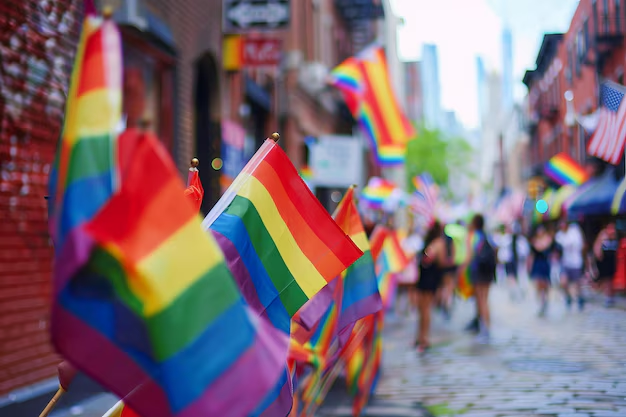
- Visually colorful, with flags, costumes, music, and performances
- Civically engaged, often including local officials, community leaders, and non-profits
Expect a mix of celebration, community pride, and advocacy for LGBTQ+ rights and visibility.
Atlanta Pride Festival at Piedmont Park
The parade is only one part of Atlanta Pride Weekend. The Atlanta Pride Festival usually runs alongside it, centered in Piedmont Park.
What happens at the festival
You can typically expect:
- Multiple stages with live music, drag performances, and spoken word
- Community and resource booths from LGBTQ+ and allied organizations
- Vendor tents with art, crafts, clothing, and Pride merchandise
- Food and beverage areas, often including food trucks
- Health and wellness resources, such as testing information and support organizations
The festival is generally free to attend, although certain special events, parties, or VIP areas may require tickets or registration.
Accessibility and inclusivity
Atlanta Pride and the festival aim to be inclusive and accessible, with:
- Areas or routes designed to support mobility needs where possible
- Family-oriented spaces or activities
- A wide range of groups representing different identities within the LGBTQ+ community, including trans, non-binary, queer people of color, and more
If you have specific accessibility questions or needs, it’s a good idea to check current details for accommodations such as ADA viewing areas or rest spaces.
Other LGBT Parades and Marches in Atlanta
While “LGBT parade Atlanta” most often refers to Atlanta Pride, the metro area hosts several other parades, marches, and Pride celebrations that may interest you.
Smaller and neighborhood-focused Pride events
In or around Atlanta, you may find:
- Neighborhood-based Pride celebrations in areas with strong LGBTQ+ communities
- Suburban Pride festivals in nearby cities within the metro area
- Campus Pride events at local colleges and universities
These may not always be full-scale parades but can include marches, mini-parades, or Pride walks.
Themed marches and events
Atlanta has also hosted or supported:
- Trans-specific marches or events centering transgender and non-binary communities
- Dyke marches or lesbian-focused solidarity events
- Rallies and demonstrations related to LGBTQ+ rights, policy issues, or community safety
These are often organized by local advocacy organizations and may change year to year, so it’s best to look up current listings or community calendars if you want to attend or volunteer.
Planning Your Day at the Atlanta LGBT Parade
If you live in Atlanta or are visiting for Pride, a bit of planning can make the parade and festival smoother and more enjoyable.
Getting there and getting around
Because Midtown gets very busy during Pride:
- MARTA is often the easiest option
- Midtown Station and Arts Center Station both put you relatively close to parade routes and Piedmont Park
- Driving is possible but can be challenging
- Expect road closures, heavy traffic, and limited parking
- If you must drive, consider parking further away and using MARTA or a rideshare for the last stretch
- Rideshares and taxis may have pickup/drop-off restrictions nearer the event
If you’re unfamiliar with the area, give yourself extra time to navigate crowds and street closures.
What to bring ✅
- Water – Hydration is important, especially if it’s warm
- Comfortable shoes – You’ll likely be walking and standing a lot
- Weather-appropriate clothing – Hat, sunscreen, rain poncho, or light layers depending on the forecast
- Small bag or backpack – Check any bag rules or security policies in advance
- Cash and card – Some vendors may prefer one over the other
Avoid bringing large coolers, glass containers, or anything prohibited by park or event rules.
Safety and comfort tips
- Stay aware of heat and sun, especially in open sections of the route or in the park
- Arrange meeting spots with friends in case cell service is slow in the crowds
- Follow instructions from event staff, volunteers, and law enforcement regarding restricted areas and emergency procedures
- If you’re with children, identify family-friendly sections of the route or festival in advance
Atlanta Pride typically has medical and support staff on-site to help with emergencies or first aid needs.
Watching vs. Marching in the Parade
You can experience the LGBT parade in Atlanta either as a spectator or by participating with a group.
Attending as a spectator
Good viewing strategies:
- Arrive early if you want a front-row sidewalk spot, especially near central Midtown or near Piedmont Park
- Consider less congested areas of the route if you prefer more space
- Bring a small chair or blanket if allowed and if you prefer to sit for portions of the parade
Families with small children or people who prefer quieter spaces may want to watch from stretches of the route a bit farther from the park or major intersections, where crowds can thin slightly.
Marching in the parade
Many organizations, businesses, and community groups register to walk or ride in the parade. Common participant groups include:
- LGBTQ+ nonprofits and advocacy organizations
- Employee resource groups from Atlanta companies
- School and university organizations
- Social clubs, faith groups, and sports leagues
If you want to participate:
- Connect with a group you’re part of (school, employer, community org) to see if they plan to register.
- If you’re part of an organization, look into how to register an official parade group for the current year.
- Follow any rules for floats, banners, vehicles, and safety provided by the event organizers.
Deadlines, fees, and guidelines can change, so it’s important to check current instructions for parade registration.
Family-Friendly Pride in Atlanta
Many people in and around Atlanta want to know if the LGBT parade and festival are appropriate for families and kids.
Common features that support families include:
- Daytime scheduling for the parade
- Broad mix of ages present, from young children to older adults
- Public park setting at Piedmont Park with open spaces
- Family-oriented areas or activities at the festival, depending on the year
Even so, Pride is a lively, crowded public event with loud music, adult humor in some performances, and potentially long periods outdoors. Families can tailor their experience by:
- Choosing earlier times in the day
- Watching from less congested stretches of the parade
- Spending more time at kid-friendly corners of the park, where there is space to sit and take breaks
How Atlanta Institutions Support Pride and LGBTQ+ Events
Atlanta’s LGBT parade and Pride festival are backed by a wide range of local institutions, city services, and community groups that help support safety, logistics, and community outreach.
City and public services
During major Pride events, it’s common to see:
- Atlanta Police Department officers managing traffic and public safety
- City of Atlanta departments coordinating permits, road closures, and sanitation
- EMS and medical teams available at or near the park and parade route
If you’re unsure about closures or local regulations, you can contact or check standard channels for:
- City of Atlanta – City Hall
55 Trinity Ave SW
Atlanta, GA 30303
For non-emergencies during large events, local residents often rely on city information lines, official updates, or local news outlets.
Local LGBTQ+ community resources
While not limited to Pride season, several Atlanta-area organizations support LGBTQ+ residents and frequently maintain a presence at the festival and parade. Examples include:
- LGBTQ+ centers and resource hubs that offer support groups, youth programming, and referrals
- Health organizations providing LGBTQ-inclusive care and outreach
- Legal and advocacy groups working on civil rights, housing, employment, and safety issues
If you’re new to the city or visiting and considering relocating, Pride can be a good opportunity to meet local support organizations face-to-face, sign up for information, and learn about services and events offered year-round.
Quick Reference: Key Points About the LGBT Parade in Atlanta
| Topic | What to Know (Atlanta-Specific) |
|---|---|
| Main event name | Atlanta Pride Parade (part of Atlanta Pride Festival) |
| Typical timing | October, usually the Sunday of Pride weekend |
| Main location | Midtown Atlanta parade route ending at Piedmont Park |
| Festival hub | Piedmont Park, with stages, vendors, and community booths |
| Cost to attend | Generally free to attend parade and park festival areas |
| Transportation | MARTA strongly recommended; expect road closures and limited parking |
| Who attends | LGBTQ+ community members, allies, families, local organizations, visitors |
| Participation options | Watch from the sidelines or register to march with an organization |
| Atmosphere | Celebratory, inclusive, advocacy-focused, and generally family-friendly |
If You’re New to Atlanta or Visiting for Pride
If you’re traveling here specifically for the LGBT parade in Atlanta or are new to town:
- Stay near Midtown if possible, for easy access to parade and festival events
- Build in time to explore Piedmont Park, the BeltLine, and local LGBTQ+-friendly bars, cafés, and shops in the area
- Keep an eye on event updates, as schedules, security policies, or route details can shift from year to year
Whether you’re marching, watching, or just soaking in the atmosphere, Atlanta’s LGBT parade and Pride festival offer a clear window into the city’s community spirit and ongoing commitment to visibility and inclusion.