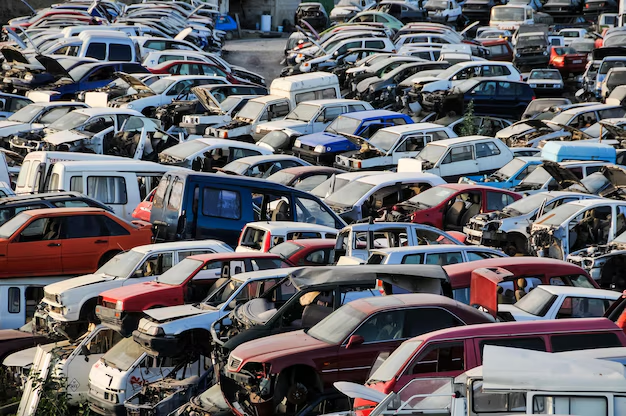
LKQ Atlanta: How to Use Local Auto Salvage & Parts Yards in Metro Atlanta
If you’re searching for “LKQ Atlanta”, you’re likely looking for used auto parts, salvage vehicles, or a way to sell a damaged car in the Atlanta area. LKQ is a large nationwide auto parts and salvage chain, and it operates locations that serve the Atlanta, Georgia market.
This guide explains how LKQ-style salvage yards and used parts operations work in and around Atlanta, how to use them effectively, and what locals typically need to know before they go.
What “LKQ” Means and Why It Matters in Atlanta
LKQ originally stood for “Like Kind and Quality.” In practice, it usually refers to:
- Used OEM auto parts pulled from salvage vehicles
- Recycled auto body parts (doors, fenders, hoods, bumpers, headlights, etc.)
- Mechanical parts (engines, transmissions, radiators, alternators, etc.)
- Self-service “pick-your-part” salvage yards where you remove parts yourself
In metro Atlanta, this can be a cost-effective option if you:
- Need to repair your daily driver without paying full new-parts prices
- Own an older vehicle where new OEM parts are hard to find
- Are fixing up a project car
- Have a wrecked or non-running vehicle you want to sell for parts or scrap
Types of LKQ-Style Services You’ll Find Around Atlanta
Even if a location’s exact name varies, consumers in Atlanta typically interact with LKQ-type services in three main ways.
1. Full-Service Used Parts Suppliers
These locations usually:
- Pull the part for you rather than having you walk the yard
- Offer delivery to local shops
- Are frequently used by Atlanta body shops and mechanics
Common parts requested in Atlanta include:
- Bumpers, fenders, grilles (after minor collisions on I‑285, I‑85, I‑20, or city streets)
- Headlights and taillights
- Doors, mirrors, and interior trim pieces
- Wheels and tires
- Engines and transmissions for higher-mileage commuter cars
If you live in neighborhoods such as Decatur, College Park, Marietta, or Norcross, many independent shops around you may already source used parts from these suppliers for collision and mechanical work.
2. Self-Service “Pick-Your-Part” Yards
These are the classic pull-your-own-parts yards. In the Atlanta area, they tend to be:
- Located in more industrial corridors or along major highways
- Popular with DIY mechanics, car enthusiasts, and budget-conscious drivers
What to expect:
- You pay a small entry fee to access the yard
- Bring your own tools
- You remove the parts from vehicles in the yard yourself
- Pricing is usually flat-rate by part type, not by vehicle model
This is common around metro Atlanta where many drivers maintain older vehicles or second cars. It can be especially useful if you live on the south or west side of the city, where industrial zones often host larger yards.
3. Salvage Vehicle Buying: Selling a Wrecked or Non-Running Car
LKQ-type operations in Atlanta may:
- Buy your damaged or totaled vehicle
- Arrange towing or pickup, often at your home, apartment, or workplace
- Handle most of the title and paperwork with the Georgia Department of Revenue guidelines
This can be helpful if:
- Your vehicle was totaled in an accident on an Atlanta highway
- The engine or transmission failed and the repair cost is more than the car’s value
- You received a salvage title after an insurance claim and no longer want to fix the car
What Atlanta Drivers Usually Use LKQ for
Here are common situations where people in Atlanta turn to LKQ-style yards:
Collision repair on a budget
- Example: You bump someone in Buckhead traffic and need a replacement bumper and headlight. A used part can be substantially cheaper than new dealership parts.
Fixing older commuter cars
- Many Atlantans drive older sedans and SUVs for long commutes from Gwinnett, Cobb, Clayton, or Henry County. When something like a starter, alternator, or mirror breaks, used parts keep costs manageable.
Keeping rideshare or delivery vehicles on the road
- Rideshare and delivery drivers in the city (especially around Midtown, Downtown, and Hartsfield-Jackson) sometimes rely on used parts to lower maintenance costs.
Project cars and hobby builds
- Enthusiasts working on older trucks, imports, or muscle cars in garages around Decatur, East Atlanta, or West End often source interior pieces, body parts, and odds and ends at salvage yards.
Selling a totaled car after a highway accident
- Wrecks on the Downtown Connector or perimeter interstates are common. When insurance pays out and leaves you with a damaged car, a salvage buyer may be the most straightforward way to dispose of it.
How to Prepare Before Visiting an LKQ Yard in Metro Atlanta
Preparation saves time, gas, and return trips—especially with Atlanta’s traffic.
1. Gather Your Vehicle Details
Have this ready before you call or visit:
- Year, make, and model (for example, 2014 Honda Accord EX)
- Engine size (e.g., 2.4L or 3.5L)
- Drivetrain (FWD, RWD, AWD)
- VIN, if you have it handy – especially useful for exact part matching
Atlanta yards often serve a wide region (city plus suburbs), so phones can stay busy. Having details ready makes calls faster.
2. Call Ahead to Check Inventory
Many LKQ-style businesses around Atlanta can:
- Check inventory by computer system
- Confirm whether they have your part and if it’s on the shelf or still in a vehicle
- Tell you whether it’s self-service or pulled by staff
Because Atlanta’s vehicle mix is diverse (domestic trucks, imports, luxury cars, older sedans), availability can vary by day. A quick call prevents you from driving from, say, Alpharetta to south Atlanta only to discover the part isn’t there.
3. If You’re Going to a Self-Service Yard
Bring:
- Basic tools (socket set, wrenches, screwdrivers, pry bar)
- Battery-powered saw or impact if allowed (many yards do allow cordless tools, but not torches)
- Gloves and eye protection
- Work clothes you don’t mind getting dirty
Most self-service yards around Atlanta also:
- Prohibit jacks or jack stands brought from home, for safety reasons
- Provide vehicle stands already in place
- Require you to sign a waiver and sometimes pay a small entrance fee
Typical Parts You Can Find in an Atlanta LKQ Yard
Here’s a general overview of what Atlanta consumers commonly look for and what’s usually available.
| Part Type | Commonly Available in Atlanta? | Notes for Local Drivers |
|---|---|---|
| Body panels (doors, fenders, hoods) | Yes, frequently | Useful for minor accident repairs common in city traffic. |
| Bumpers & lights | Often | Popular after low-speed collisions or parking lot mishaps. |
| Engines & transmissions | Available, varies by model | More common for popular sedans and SUVs found around metro Atlanta. |
| Wheels & tires | Common | Good for spares or replacing damaged wheels after pothole strikes. |
| Interior trim & seats | Mixed | Condition can vary; good for older commuter or work vehicles. |
| Electronics (switches, radios) | Often | More limited for luxury models where electronics are removed quickly. |
Availability is strongly influenced by what’s commonly driven in Atlanta—expect plenty of parts for mainstream domestic and Japanese brands.
Pricing Expectations for Used Parts in Atlanta
Specific prices vary, but in the Atlanta market you can generally expect:
- Lower prices than new OEM parts from a dealership
- Often similar or slightly higher prices than generic aftermarket parts for some items
- Flat pricing in self-service yards (for example, a standard price for “doors” or “alternators,” regardless of vehicle)
Atlanta drivers often compare:
- Used OEM from salvage yards
- Aftermarket new parts from local auto parts retailers
- New OEM from dealership parts departments
Each has trade-offs in cost, longevity, and fitment. Many independent shops in neighborhoods like Smyrna, Doraville, or Forest Park will discuss these options with you before repairs.
Selling a Damaged or Non-Running Car in Atlanta
If your car is wrecked or won’t run, LKQ-style salvage buyers offer a relatively straightforward option in metro Atlanta.
What You’ll Typically Need
- Georgia vehicle title in your name
- Your photo ID
- Basic vehicle details (year, make, model, location, overall condition)
In Atlanta, many salvage buyers also:
- Arrange towing from your home, apartment complex, or the body shop
- Pay via check or similar methods, in line with Georgia requirements
- Require the vehicle to be accessible for a tow truck (not blocked in a tight parking deck, for example)
This can be especially convenient if you live in-town without much parking (Midtown, Downtown, Old Fourth Ward) and need to quickly remove a non-running vehicle.
Tips for Atlanta Residents Using LKQ-Style Yards
A few local-focused pointers:
1. Time your visit to avoid traffic.
Metro Atlanta congestion is heavy on I‑75, I‑85, GA‑400, and I‑285, especially during rush hours. If you’re driving from one side of the metro to another, aim for mid-morning or early afternoon.
2. Bring photos of your broken part.
Pictures can help yard staff compare and confirm whether a part they have on the shelf matches your needs—useful if you’re not far from areas like Peachtree Industrial Blvd or Fulton Industrial Blvd, where multiple auto businesses cluster.
3. Ask about warranties or return policies.
Many used parts sellers in Atlanta offer limited warranties or exchange options, especially for engines and transmissions. Get clear on:
- How long coverage lasts
- Whether labor is covered (it usually is not)
- Whether you must keep your receipt and any identifying labels
4. Confirm payment methods.
Some yards in industrial parts of Atlanta still prefer:
- Cash or card, sometimes no checks
- A minimum charge for card purchases
Calling ahead avoids surprises at the counter.
5. Watch for local weather.
Summer thunderstorms and heat are common, particularly in exposed lots around south and west Atlanta. When working outside:
- Stay hydrated
- Plan for muddy or wet conditions if it has rained recently
When LKQ-Style Parts May Not Be the Best Fit
For some Atlanta drivers, used parts may not be ideal:
- Newer vehicles under warranty – Using salvage parts might affect warranty terms; many owners stick with dealer repairs.
- Safety-critical repairs – For items like certain airbags or complex sensors, some consumers prefer new OEM components.
- High-end luxury and specialty vehicles – Fit and reliability of used electronics or advanced driver assistance components can be more complicated; specialized shops or dealers may be better equipped.
Knowing this helps you decide whether to call a salvage yard, an independent shop, or a dealer service department elsewhere in metro Atlanta.
For someone in or around Atlanta, Georgia, “LKQ Atlanta” essentially points you toward the region’s network of used and recycled auto parts suppliers and salvage buyers. With the right preparation—vehicle details, tools (if self-service), and a realistic sense of what you need—you can often save substantial money on parts or get fair value when selling a damaged vehicle anywhere across the Atlanta metro.