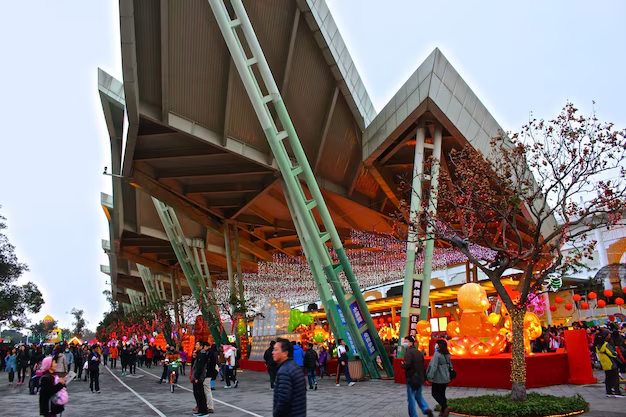
Marketplace Atlanta: Where to Shop, Swap, and Discover in Atlanta, GA
Looking for “Marketplace Atlanta” and trying to figure out what that means in the context of the city? In Atlanta, “marketplace” can refer to several things:
- Physical public markets and flea markets
- Indoor vendor malls and antique markets
- Farmers markets with local produce and goods
- Online and social marketplaces used heavily by Atlantans to buy and sell
This guide walks through how “marketplaces” work in Atlanta, Georgia, where to find them, what to expect, and how locals typically use them.
Understanding “Marketplace” in Atlanta
In Atlanta, the idea of a marketplace is broad. It might mean:
- A weekly farmers market in a city park
- A permanent indoor vendor space with dozens of small shops
- A flea market with clothes, tools, produce, and food stalls
- A pop-up market during festivals or at breweries
- A digital marketplace (apps or social media) used by people in Atlanta
If you’re moving to Atlanta, visiting, or just exploring, it helps to know which type of marketplace you’re looking for:
| Marketplace Type | Typical Use | Common Atlanta Examples (by type, not promotion) |
|---|---|---|
| Farmers markets | Fresh food, local vendors, prepared meals | Neighborhood weekend markets, city park markets |
| Flea & swap markets | Bargains, tools, clothes, electronics, produce | Large multi-vendor complexes outside the urban core |
| Vendor / antique malls | Vintage, décor, collectibles, small retail booths | Multi-dealer antique and gift spaces |
| Specialty food halls | Ready-to-eat food, some packaged goods & pop-ups | Multi-restaurant “market” halls in intown neighborhoods |
| Online marketplaces | Used furniture, cars, electronics, tickets, services | Marketplace features in popular apps and social media |
Major Market-Style Destinations in and Around Atlanta
Several well-known complexes in the metro area function like “marketplaces,” with multiple vendors or small businesses under one roof.
Westside & Midtown Area
1. Atlanta’s mixed-use market districts
On the city’s westside and near Midtown, you’ll find redeveloped industrial or commercial spaces that operate as market-style districts. These usually combine:
- Indoor food halls
- Small independent shops
- Seasonal vendors and outdoor events
- Occasional artisan or craft markets
They’re popular with both residents and visitors for weekend browsing, casual dining, and small-batch local goods.
Tips if you’re visiting these areas:
- 🚗 Parking: Many have structured parking or surface lots; some charge. MARTA bus routes often serve nearby main corridors.
- 🕒 Peak times: Late afternoons, weekends, and special event days can be especially crowded.
- 💳 Payment: Most vendors take cards; some small pop-up vendors may prefer cash or payment apps.
Intown Vendor & Antique Marketplaces
Across intown neighborhoods like Inman Park, Virginia-Highland, Poncey-Highland, and Grant Park, you’ll find:
- Antique malls with dozens of small dealer booths
- Vintage and consignment marketplaces
- Artist collectives where multiple makers sell under one roof
Locals use these for:
- Unique home décor
- Vintage clothing and records
- Gifts and Atlanta-themed items
These spaces function as indoor marketplaces, each vendor setting their own style and inventory, but you pay at a central register in most cases.
Farmers Markets in Atlanta
If by “marketplace” you’re thinking of fresh produce, local goods, and prepared foods, Atlanta has an active farmers market scene.
How Farmers Markets Typically Work Here
Most Atlanta farmers markets:
- Run seasonally (spring through fall), though a few operate year-round
- Operate on specific days (often Saturday or Sunday mornings)
- Feature a mix of:
- Local farmers
- Prepared-food vendors
- Coffee, baked goods, and food trucks
- Craft and artisan products
You’ll find farmers markets in or near:
- Grant Park
- East Atlanta Village
- Decatur
- Old Fourth Ward
- Sandy Springs
- Buckhead
Some are run by neighborhood organizations or non-profits; others are supported by city or county parks departments.
💡 Local tip: Many Atlanta farmers markets encourage reusable bags and sometimes offer double-value programs for certain benefit cards. Check the individual market’s info before you go for payment types and schedules.
Atlanta’s Large Flea and Swap-Style Markets
If you’re looking for a traditional flea market or swap meet–style marketplace, you’ll primarily find them around the metro, not in the city’s dense core.
Common features of these markets:
- Indoor and outdoor vendor booths
- New and used clothing
- Tools and hardware
- Electronics and phone accessories
- Fresh produce and food stalls
- Services like cell phone repair, tailoring, or jewelry repair
They’re popular for bargain hunting, bulk buying, and diverse food options, especially among long-time residents and immigrant communities.
When visiting flea markets around Atlanta:
- 🪙 Bring cash: Many vendors are cash-based, though some accept cards or payment apps.
- 🕒 Go early: Mornings usually have better selection and easier parking.
- 🔐 Be mindful of valuables: As with any crowded shopping area, secure your belongings.
Pop-Up & Seasonal Marketplaces in Atlanta
Atlanta has a strong culture of pop-up markets, especially:
- Holiday markets in December
- Spring and fall festivals with artisan booths
- Markets hosted by breweries, food halls, and community centers
- Night markets or themed markets (vintage clothing, vinyl, etc.)
These pop-ups function like temporary “marketplaces,” often featuring:
- Local artists and makers
- Specialty food vendors
- Live music and family-friendly activities
To find them, Atlantans commonly check:
- Event listings for specific neighborhoods (e.g., East Atlanta, West End, Kirkwood)
- Brewery and food hall event calendars
- City and county parks and recreation announcements
Online & App-Based Marketplaces Used in Atlanta
When people search “Marketplace Atlanta,” they may also be thinking about online platforms widely used locally to buy and sell:
- Furniture and home goods during moves
- Cars and motorcycles
- Tickets to Atlanta sports or entertainment events
- Appliances and tools
Typical local patterns:
- Intown neighborhoods like Midtown, Old Fourth Ward, and West Midtown see frequent listings for furniture and décor.
- Suburban areas in DeKalb, Cobb, Gwinnett, and Clayton Counties often have more car and tool listings.
- Porch pickup and meeting at public locations (like busy shopping centers or police department “safe exchange” zones) are common.
Safe-Exchange Zones Around Atlanta
Several law enforcement agencies in the metro area provide designated areas for online marketplace meetups, often with video surveillance. While locations and policies can change, these are commonly set up at or near:
- Atlanta Police Department precincts within the city limits
- Suburban city police departments (e.g., Sandy Springs, Brookhaven, Dunwoody, Decatur)
- County sheriff’s offices throughout metro counties
Before heading to a specific location, it’s wise to check the current details for that department and confirm:
- Whether they have a posted “Internet Purchase Exchange Location”
- Their preferred hours for marketplace meetups
- Any specific instructions for visitors
General safety practices for online marketplace meetups in Atlanta:
- Meet in daylight whenever possible
- Choose busy public places if you don’t use a dedicated exchange zone
- Let someone know where you’re going and when you expect to be back
- Avoid carrying large amounts of cash if it isn’t necessary
Using Markets as a Visitor vs. a Resident
If You Live in Atlanta
Locals typically use Atlanta’s marketplaces for:
- Weekly groceries from farmers markets
- Bulk or discount shopping at flea or swap markets
- Home decorating and furniture through vendor malls and online marketplaces
- Special gifts and art from seasonal pop-up markets
Many residents combine:
- A neighborhood farmers market on weekends
- Occasional visits to large indoor/outdoor markets for specific needs
- Online marketplace listings when moving, renovating, or decluttering
If You’re Visiting Atlanta
As a visitor, marketplaces are an easy way to:
- Try local food and regional specialties
- Pick up locally made gifts or art
- Experience Atlanta’s neighborhood culture beyond the major tourist spots
Common visitor-friendly options include:
- Intown food halls and market districts
- Farmers markets in high-traffic neighborhoods
- Seasonal festival markets (often in spring and fall)
Check opening days and hours in advance—many markets are not open daily.
Practical Tips for Navigating Marketplaces in Atlanta
A few Atlanta-specific pointers:
- Heat and humidity: Outdoor markets can be hot from late spring to early fall. Bring water, sunscreen, and comfortable shoes.
- Traffic and parking:
- Weekends can bring heavy traffic near popular markets, especially if a festival or game is happening.
- Many intown markets are accessible by MARTA buses or rail; this can be easier than parking in dense areas.
- Payment methods:
- Intown vendor markets and food halls usually support cards and contactless payments.
- Flea markets and some farmers markets still rely heavily on cash, though token systems or payment apps are increasingly common.
- Weather:
- Outdoor markets may cancel or scale back during heavy rain or severe weather.
- Check same-day updates if the forecast looks uncertain.
How to Decide Which Atlanta Marketplace You Need
When you search for “Marketplace Atlanta,” clarify your goal:
Fresh produce and local goods?
Look for “farmers market Atlanta” plus your neighborhood (Grant Park, Decatur, West End, etc.).Discount or bulk shopping?
Search for “flea market near Atlanta” or “swap meet” in your part of the metro area.Unique décor or vintage items?
Focus on antique malls, vendor markets, and vintage collectives in intown neighborhoods.Casual food plus shopping in one place?
Explore food hall–style markets and mixed-use market districts.Buying or selling used items locally?
Use an online marketplace or app, and plan your meetup at a well-lit, public, or designated safe-exchange area.
By understanding how different types of marketplaces operate in Atlanta—and where they’re concentrated—you can quickly match your needs to the right kind of “Marketplace Atlanta,” whether you’re a long-time resident, a new arrival, or just in town for the weekend.